
Pakistan Confirms Fifth Polio Case of Year in Bannu
Pakistan reported its fifth polio case of the year after a 17-month-old girl was infected in Bannu, compounding public health concerns in southern Khyber Pakhtunkhwa.
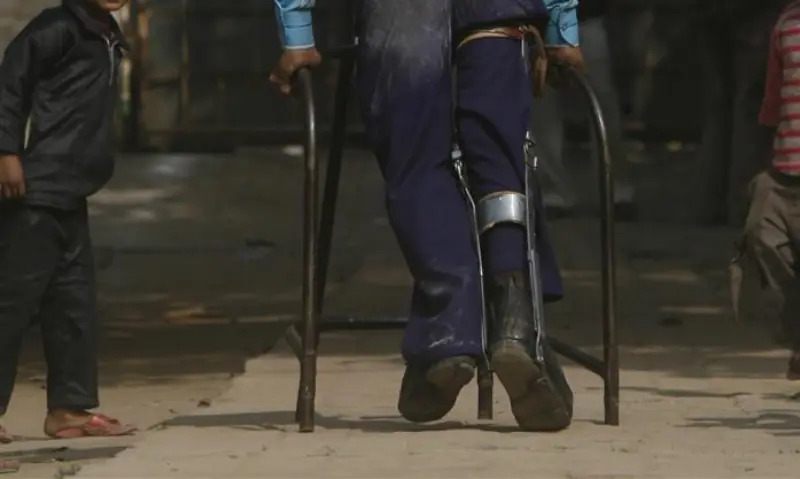
The Core Development
Pakistan recorded its fifth polio case of the current year on Tuesday, after the wild poliovirus was confirmed in a 17-month-old infant residing in the Bannu Division of Khyber Pakhtunkhwa. Officials at the National Emergency Operations Centre (NEOC) verified that the affected child belongs to the Khandar Khankhel union council within the Domel tehsil of Bannu district. This latest detection highlights an alarming geographic concentration of the virus, with four out of the five national cases reported this year originating within the Bannu division, and three specifically localized to the Bannu district itself. The official confirmation was also published via the nationwide polio eradication programme portal, emphasizing the persistent transmission vectors active in southern Khyber Pakhtunkhwa. While nationwide vaccination drives have historically curtailed transmission by a substantial margin over previous decades, localized reservoirs in southern districts continue to challenge eradication timelines and public health frameworks.
Commercial & Economic Implications
Beyond the immediate humanitarian and medical crisis, the persistent circulation of poliovirus carries profound economic repercussions for Pakistan, particularly concerning domestic commerce, regional supply chains, and international trade compliance. Public health failures of this magnitude directly affect labor productivity through absenteeism and increased healthcare expenditure burdens on working-class households. Furthermore, international travel and trade restrictions tied to Pakistan's polio-endemic status impose severe friction on business logistics, export processing, and foreign business delegations entering the country. Retail markets, wholesale distribution networks, and commercial retail hubs in Khyber Pakhtunkhwa experience secondary slowdowns when public health emergencies trigger localized lockdowns, community mistrust, or diversion of municipal administrative resources toward emergency disease containment rather than commercial infrastructure support.
Related Intelligence: Ugandan Royal Succession Shakes Regional Stability and Trade Outlook
Stakeholder Perspectives & Market Reactions
Trader associations, business councils, and public health advocates have expressed growing concern over the economic drag caused by repeated disease outbreaks in key commercial transit corridors. Representatives from major trade bodies in Peshawar and Bannu note that recurring health emergencies damage consumer confidence and complicate cross-border trade dynamics with neighboring regions. Legal and policy analysts argue that enhanced coordination between federal health bodies and provincial trade unions is vital to ensure that vaccination campaigns do not face commercial resistance or operational bottlenecks. Meanwhile, official statements from the polio eradication programme reiterate that sustained community engagement, security provisions for vaccinators, and rigorous supply chain oversight of vaccine distribution remain the paramount strategies to neutralize the threat and protect Pakistan's workforce.
Forward Outlook & Key Watchpoints
As federal and provincial authorities mobilize emergency response teams to contain the Bannu outbreak, stakeholders across the economic and healthcare sectors will closely monitor several key indicators. Critical watchpoints include the deployment efficacy of upcoming nationwide immunisation campaigns, the containment of environmental positive samples in neighboring districts, and the enforcement of strict accountability measures for local administrative units lagging in vaccination targets. Failure to suppress transmission in southern Khyber Pakhtunkhwa risks triggering stricter international travel advisories, which could adversely impact Pakistan's export competitiveness and foreign investment sentiment. Policymakers must align public health enforcement with commercial continuity plans to safeguard both workforce well-being and macroeconomic stability.
Join Our Official WhatsApp Channel
Receive live commodity alerts, policy changes, and commercial intelligence directly on WhatsApp.