
Pakistan Condition Talks on PTI Counter-Terrorism Policy Compliance
Federal authorities maintain that political negotiations with PTI require explicit guarantees on national security and counter-terrorism policy alignment.
The Core Development
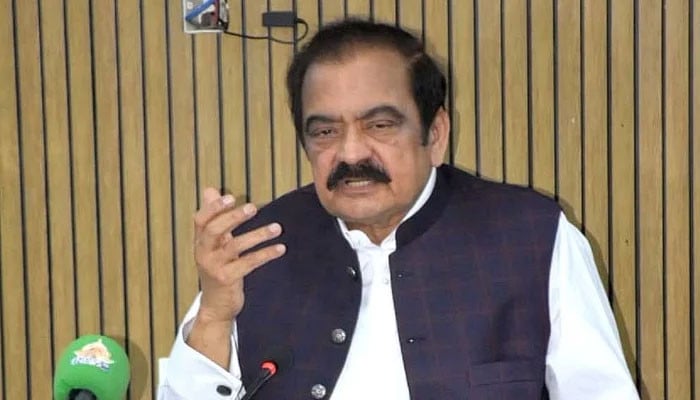
In a critical political juncture affecting Pakistan's institutional landscape, federal authorities have reiterated that resumption of formal dialogue with the opposition Pakistan Tehreek-e-Insaf (PTI) is strictly contingent upon verifiable assurances regarding the state's overarching counter-terrorism policy. Senior government figures, led by federal advisors including Rana Sanaullah, underscored that national security non-negotiables must supersede partisan maneuvering. The development follows months of strained relations and intermittent protests that have paralyzed major urban centers, particularly Islamabad and Lahore, impacting both legislative processes and administrative governance. State officials emphasize that any meaningful reconciliation framework requires absolute alignment on counter-extremism measures, especially given resurgent security challenges along the western border and urban security alerts across major commercial hubs.
Commercial & Economic Implications
For Pakistan's fragile economic architecture, prolonged political standoff translates directly into commercial volatility. Financial markets and wholesale distribution networks remain highly sensitive to disruptions caused by street agitations, road closures, and localized lockdowns. Retail trade in key economic corridors has experienced periodic slowdowns, aggravating inflationary pressures for essential commodities. Supply chain bottlenecks driven by transport suspensions during political rallies directly increase logistical overheads for manufacturers and distributors. In an economy striving to meet stringent International Monetary Fund (IMF) structural benchmarks, investor confidence remains deeply vulnerable to domestic political friction. Persistent uncertainty deters foreign direct investment and hampers private sector capital formation, undermining broader national recovery goals.
Related Intelligence: Pentagon Halts Anthropic AI Use Following Supply Chain Risk Designation
Stakeholder Perspectives & Market Reactions
Business councils, chambers of commerce, and prominent industrial associations have voiced growing alarm over the persistent political deadlock. Representatives from the Federation of Pakistan Chambers of Commerce and Industry (FPCCI) have repeatedly called for a charter of economy, urging political leadership to insulate commercial activity from partisan strife. Legal experts note that while constitutional avenues for dialogue exist, the hardening of stances on core security mandates creates significant hurdles for institutional compromise. Public response remains polarized, yet a clear fatigue is evident among urban consumers and working-class segments bearing the brunt of inflation and economic contraction. Official statements from government representatives maintain that national security frameworks are foundational and non-negotiable, leaving little room for compromise unless opposition ranks formally endorse state security imperatives.
Forward Outlook & Key Watchpoints
As the political standoff persists, key stakeholders are closely monitoring several critical indicators over the coming weeks. The primary watchpoint remains whether PTI leadership will issue a formal policy statement addressing the government's counter-terrorism demands. Additionally, market analysts will scrutinize upcoming parliamentary sessions, security reviews by the National Security Committee (NSC), and potential administrative measures regarding public assemblies. Any escalation or softening in political rhetoric will immediately reflect in KSE-100 index movements and interbank exchange rate stability. Ultimately, durable economic recovery in Pakistan remains inextricably linked to political consensus on fundamental matters of state security and macroeconomic reform.
Join Our Official WhatsApp Channel
Receive live commodity alerts, policy changes, and commercial intelligence directly on WhatsApp.