
Pakistan Secures Historic IMF and World Bank Governing Boards Chairmanship for 2027
Pakistan has been elected to chair the IMF and World Bank Boards of Governors for 2027, marking its first leadership tenure in 74 years and strengthening its multilateral engagement amid macroeconomic stabilization efforts.
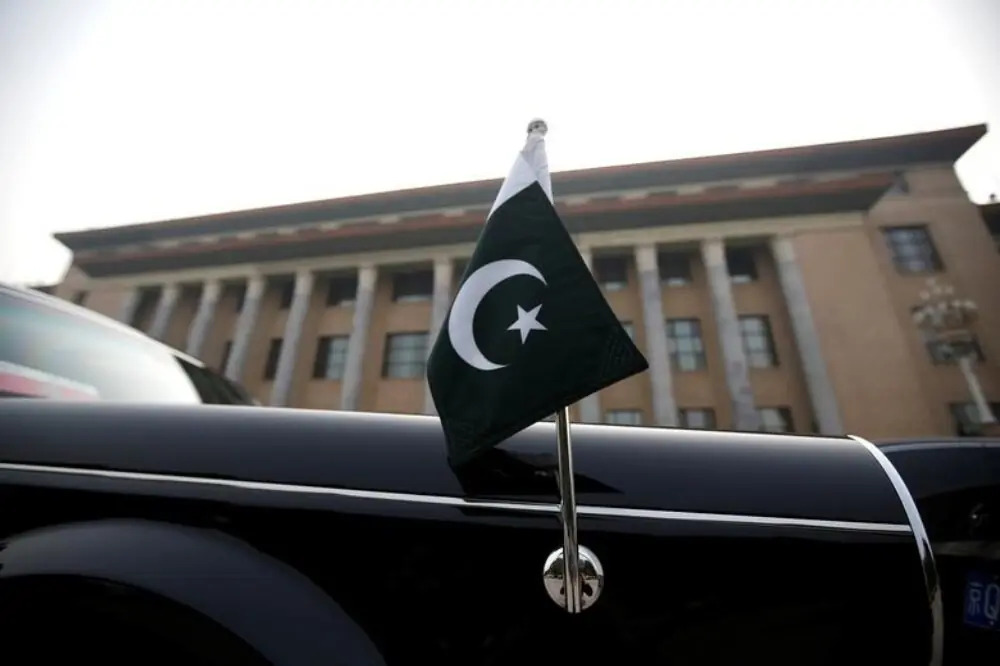
The Core Development Pakistan has officially been selected to chair the Boards of Governors of the International Monetary Fund (IMF) and the World Bank Group (WBG) for the year 2027. The formal announcement took place during the annual assemblies held in Bangkok, marking the country's return to this high-profile multilateral post after a 74-year hiatus. Federal Minister for Economic Affairs Ahad Khan Cheema will assume the responsibilities of the chairmanship. Historically, Pakistan last occupied this seat in 1953, when then-Finance and Economic Affairs Minister Mohamad Ali presided over the eighth annual meetings of the IMF and the International Bank for Reconstruction and Development (IBRD) in Washington.
The position of chair of the Boards of Governors operates on a regional rotation basis among member states. While executive authority over loan approvals, structural adjustment conditions, and sovereign financing quotas remains firmly within the domain of the respective executive boards and managing directors, the chair directs plenary proceedings, steers formal diplomatic agendas, and shapes the broader institutional discourse during the premier global financial gatherings.
Commercial & Economic Implications While the procedural chairmanship does not afford Pakistan direct leverage to unilaterally modify lending conditions, its indirect commercial implications [for domestic](/news/forensic-breakthrough-hina-javed-murder-domestic-worker-regulations) markets, enterprise finance, and trade stability are considerable. The platform substantially enhances sovereign credibility, offering an invaluable megaphone to communicate structural fiscal reforms to international credit rating agencies, institutional bondholders, and commercial lenders.
For Pakistan's wholesale distribution and retail trade networks, external diplomatic standing translates into institutional confidence. Sustained alignment with multilateral institutions anchors foreign exchange stability, curbing the violent currency depreciations that have historically driven imported inflation across key commodity segments, industrial inputs, and energy tariffs. Stable exchange rates alleviate working-capital pressures for importers, commercial distributors, and mid-tier supply chain intermediaries, establishing predictable baseline costs for domestic consumer goods.
Related Intelligence: Forensic Breakthrough in Hina Javed Case Sparks Calls for Domestic Staff Oversight
Stakeholder Perspectives & Market Reactions Economic observers, commercial chambers, and financial market participants have received the development with measured optimism. Business federations across Karachi and Lahore view the appointment as a positive diplomatic milestone that elevates Pakistan's presence in international capital markets, though they maintain that fundamental fiscal rectitude remains the prerequisite for real relief.
Legal and financial analysts emphasize that the chair cannot override debt restructuring protocols or alter the strict revenue benchmarks mandated by ongoing Extended Fund Facility (EFF) frameworks. Official quarters in Islamabad have welcomed the designation as proof of Pakistan's constructive re-engagement with global financial leadership, stressing that the multilateral visibility must be leveraged to attract foreign direct investment and mobilize climate resilience financing.
Forward Outlook & Key Watchpoints Between now and the 2027 tenure, Pakistan's macroeconomic stewardship will face rigorous scrutiny. The effectiveness of the diplomatic platform hinges on Islamabad's adherence to fiscal consolidation targets, aggressive broadening of the sovereign tax base, energy sector restructuring, and privatization of loss-making state-owned enterprises.
Key watchpoints for corporate stakeholders and market analysts include bilateral negotiations on external debt servicing, the yield performance of Pakistan's sovereign Eurobonds, and policy follow-through on market deregulation. If Pakistan maintains fiscal equilibrium leading up to 2027, the chairmanship can serve as an operational springboard to project trade competitiveness, normalize private capital inflows, and restore long-term industrial investment certainty across retail and wholesale sectors.
Join Our Official WhatsApp Channel
Receive live commodity alerts, policy changes, and commercial intelligence directly on WhatsApp.