
Pakistan Asserts Self-Defence Rights Against Cross-Border Terrorism
Military leadership declares firm resolve to counter cross-border security threats from Afghanistan, emphasizing economic stability and national security.
The Core Development
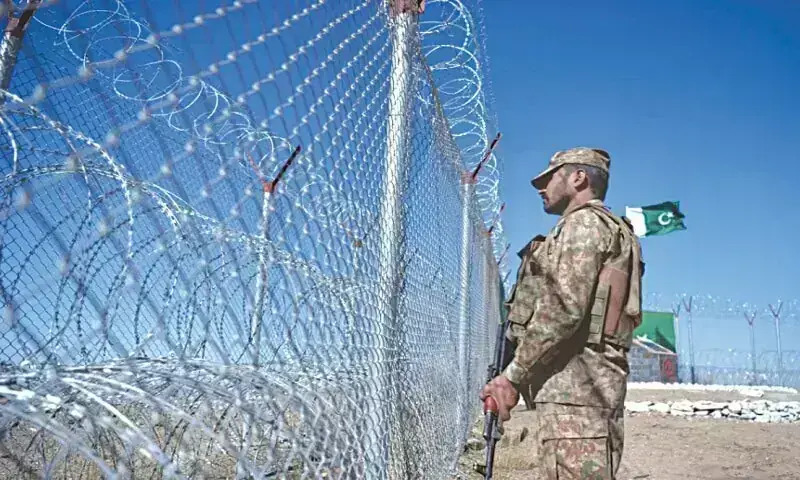
Inter-Services Public Relations (ISPR) Director General Lieutenant General Ahmed Sharif Chaudhry delivered a firm policy statement asserting Pakistan's absolute right to self-defence against terrorism emanating from Afghan soil. Speaking during a comprehensive media briefing in Islamabad, the military spokesperson emphasized that all necessary measures would be deployed to neutralise threats endangering national security. The declaration follows formal diplomatic representations made at the United Nations Security Council regarding persistent security challenges along the western border, highlighting an escalation in state-level responses to militant networks operating with impunity across the frontier.
Commercial & Economic Implications
For Kalyar Traders and the wider mercantile community across Pakistan, persistent geopolitical friction and cross-border instability carry severe economic repercussions. Protracted security crises along western trade corridors directly impede bilateral commerce, delay logistics, and inflate transportation costs for wholesale distributors and retail markets. Supply chain disruptions inevitably translate into upward pressure on commodity prices, aggravating domestic inflation at a time when industrial sectors are striving for post-stabilisation recovery. Secure borders remain a fundamental prerequisite for uninterrupted transit trade with Central Asia, making regional security inextricably linked to national economic viability and market confidence.
Related Intelligence: Lenacapavir Breakthrough Tests Global Healthcare Equity and Supply Chains
Stakeholder Perspectives & Market Reactions
Business councils, trader associations, and industrial federations have expressed cautious optimism regarding the state's decisive security stance, while urging parallel diplomatic engagements to normalize trade channels. Representatives from major chambers of commerce noted that investor sentiment relies heavily on predictable security paradigms and uninterrupted supply chains. Legal experts and financial analysts point out that while robust enforcement protects domestic commercial hubs from subversive activities, long-term market stability requires sustainable diplomatic frameworks that ensure neighboring jurisdictions prevent their territories from being utilized for hostile operations against Pakistan's economic interests.
Forward Outlook & Key Watchpoints
As executive authorities and defense organs operationalize their stated policy of self-defence, key watchpoints for business analysts include border management protocols, bilateral transit negotiations, and potential adjustments to customs enforcement. Stakeholders will closely monitor regulatory shifts affecting cross-border trade flows and security expenditures in the upcoming fiscal framework. Sustaining macroeconomic resilience depends on how effectively security operations neutralize external threats while preserving commercial corridors essential for national trade and industrial growth.
Join Our Official WhatsApp Channel
Receive live commodity alerts, policy changes, and commercial intelligence directly on WhatsApp.