
Pakistan Army Warns of Decisive Force Against May 9-Style Agitation
Pakistan's military leadership has issued a stern warning against any repetition of the May 9 riots, threatening decisive state action to safeguard national stability and economic continuity.
The Core Development
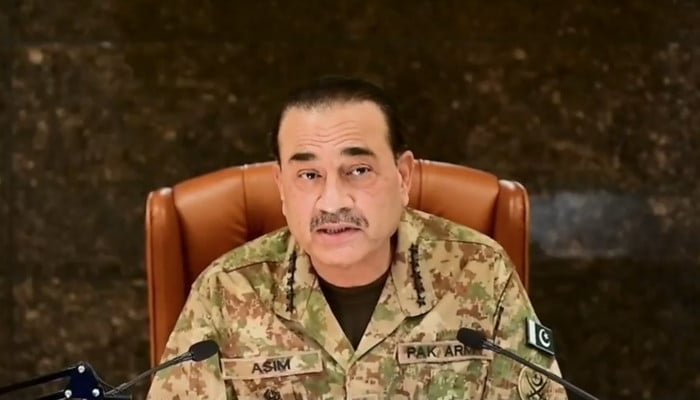
In a high-level security conference held at the General Headquarters in Rawalpindi, the military's top brass issued an unequivocal warning against any political agitation or orchestrated unrest mirroring the violent protests of May 9. The corps commanders' conference emphasized that attempts to undermine state authority, attack military installations, or create civil disorder under the guise of political mobilization will be met with the full might of the law and decisive state force. The military leadership reviewed the prevailing internal security landscape, noting that subversion and engineered chaos pose direct threats to national cohesion. Authorities highlighted that intelligence reports indicate concerted efforts by certain factions to reignite polarization, prompting a redoubling of security readiness across major urban centers, including Islamabad, Lahore, and Rawalpindi. The state apparatus has signaled zero tolerance for lawlessness, prioritizing the protection of public infrastructure and the maintenance of public order.
Commercial & Economic Implications
For Pakistan's commercial sectors, the specter of political instability carries immediate and severe economic repercussions. Retail trade, wholesale distribution, and consumer markets are acutely vulnerable to prolonged disruptions, strikes, and street-level agitation. Transport bottlenecks and supply chain fractures resulting from security lockdowns directly inflate logistics costs, ultimately driving up consumer price indices and exacerbating inflationary pressures. In major commercial hubs like Karachi, Lahore, and Faisalabad, traders and SME operators report dampened consumer sentiment and sluggish retail turnover. Furthermore, sustained domestic friction undermines ongoing stabilization policies implemented under the International Monetary Fund framework, threatening currency stability and investor confidence at a critical juncture for Pakistan's fragile macroeconomic recovery.
Related Intelligence: Pakistan Capital Lockdowns Threaten Trade Corridors and Investor Confidence
Stakeholder Perspectives & Market Reactions
Business councils, trade associations, and corporate leaders have responded to the security warning with cautious relief mixed with underlying anxiety. While the commercial community welcomes firm measures to ensure law and order—viewing stability as an indispensable prerequisite for business operations—they remain wary of blanket security clampdowns, internet throttling, and emergency restrictions that paralyze digital commerce and corporate workflows. Legal experts note that while the state possesses constitutional mechanisms to maintain public order, enforcement actions must strictly adhere to due process to avoid deepening political alienation. Public sentiment remains deeply polarized, with ordinary citizens caught between the demands of political mobilization and the economic toll of escalating civil strife, leading to widespread calls for negotiated political settlements rather than cyclical confrontations.
Forward Outlook & Key Watchpoints
As political actors recalibrate their strategies, key watchpoints for the coming weeks include potential street protests, legislative showdowns, and the government's enforcement posture regarding public assemblies. Financial analysts will closely monitor Karachi Stock Exchange indices, interbank exchange rates, and foreign direct investment commitments for signs of capital flight or risk aversion. Ultimately, the durability of Pakistan's economic stabilization will depend on whether political stakeholders prioritize institutional compromise over disruptive agitation, keeping commercial channels open and investor confidence intact through the fiscal year.
Join Our Official WhatsApp Channel
Receive live commodity alerts, policy changes, and commercial intelligence directly on WhatsApp.