
Lahore Retains Global Worst Air Quality Ranking Amid Rising Economic Toll
Lahore has reclaimed its position as the world's most polluted city, triggering severe public health alarms and commercial disruptions across Pakistan's industrial heartland.
The Core Development
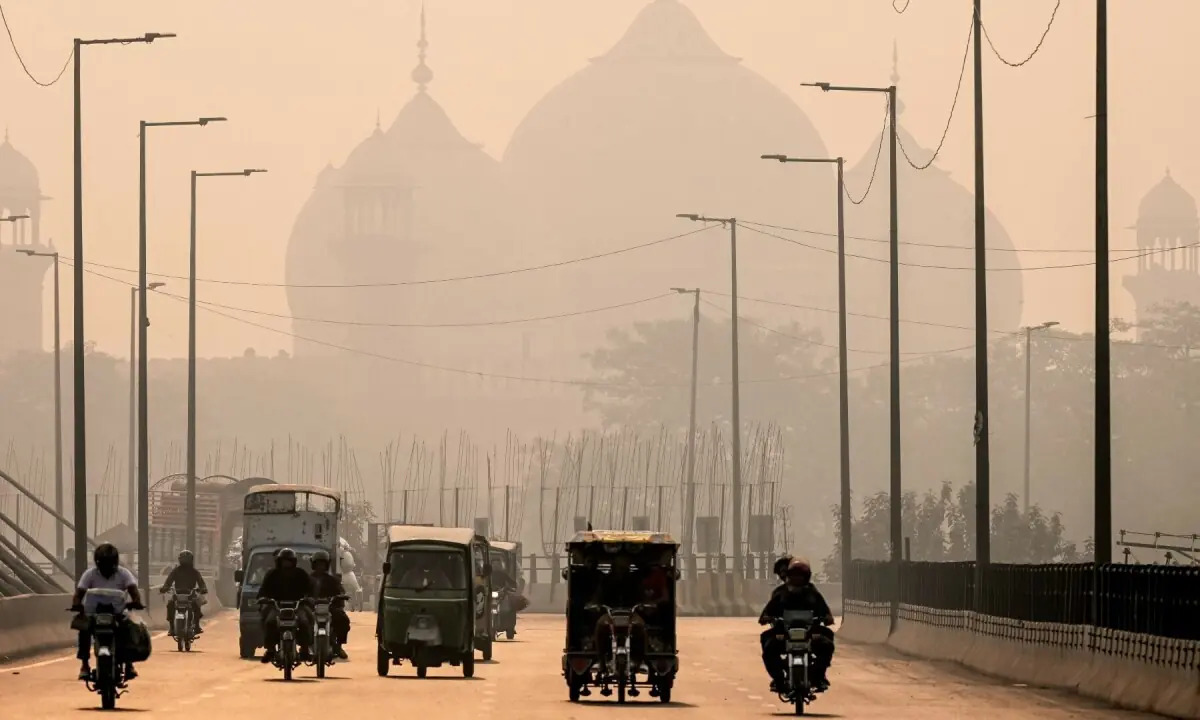
Lahore has once again claimed the unenviable title of the most polluted city in the world, with its air quality index (AQI) plunging into hazardous and unhealthy categories according to real-time data from global monitoring platform IQAir. The persistent toxic blanket of smog, which intensifies annually during the winter months, has enveloped Punjab's capital, severely restricting visibility and triggering widespread respiratory emergencies. This environmental crisis is no longer a seasonal anomaly but a systemic structural failure driven by a toxic cocktail of unchecked industrial emissions, vehicular exhaust from aging fleets, crop residue burning in surrounding agricultural belts, and brick kiln operations operating outside environmental compliances. Meteorological stagnation during winter traps these pollutants close to the surface, creating an impenetrable atmospheric inversion layer over the densely populated plains of Punjab.
Chief Minister Maryam Nawaz has acknowledged the gravity of the situation, stating that the provincial administration is mobilizing resources and enforcing stricter environmental compliance protocols. However, civil society groups and environmental scientists argue that enforcement mechanisms remain fragmented, plagued by institutional bottlenecks and a lack of real-time monitoring infrastructure across key industrial corridors.
Commercial & Economic Implications
Beyond the immediate public health catastrophe, the unrelenting smog crisis inflicts severe friction upon Pakistan's macroeconomic stability, specifically targeting retail trade, wholesale distribution networks, and daily labor productivity in the Punjab province. Commercial districts in central Lahore, including iconic trading hubs such as Anarkali and The Mall, report sharp declines in footfall as consumers restrict outdoor mobility to avoid toxic air exposure. Retailers and small-to-medium enterprises (SMEs) face curtailed business hours, directly dampening daily cash flows and compounding inflationary pressures through localized supply chain inefficiencies.
Logistics and transport sectors bear a heavy toll as low-visibility conditions force the closure or restricted movement along major motorways and national highways, delaying freight transport between Karachi ports and northern manufacturing centers. Furthermore, public health expenditures surge as hospitals report a massive influx of respiratory and cardiovascular patients, draining household disposable incomes and reducing workforce participation rates across formal and informal labor markets.
Related Intelligence: Indonesian Volcanic Eruption Sparks Regional Supply Chain and Commodity Anxiety
Stakeholder Perspectives & Market Reactions
Trader associations and industrial bodies have expressed mounting frustration over blanket administrative shutdowns that penalize compliant businesses without addressing the root causes of industrial pollution. Representatives from the Lahore Chamber of Commerce and Industry (LCCI) emphasize that arbitrary closures cause severe inventory losses and disrupt contractual supply obligations, advocating instead for subsidized green financing schemes to help factories transition to eco-friendly technologies.
Legal and regulatory circles are also pressing for robust judicial oversight, with various public interest petitions demanding stringent enforcement of environmental protection laws. While official statements from the Punjab government highlight ongoing tree-plantation drives, electric vehicle (EV) adoption policies, and anti-smog raids on polluting industrial units, market observers remain skeptical of immediate remedial impacts given the entrenched nature of regional stubble burning and substandard fuel utilization.
Forward Outlook & Key Watchpoints
As the winter season progresses, market participants and economic analysts are closely monitoring key policy watchpoints, including the operational efficacy of the newly established Environmental Protection Force and the deployment of smog-mitigation tech across heavy manufacturing zones. The central question remains whether provincial authorities can balance aggressive environmental enforcement with necessary fiscal cushioning for vulnerable commercial sectors. Without a cohesive, cross-border regional strategy addressing transboundary agricultural burning and comprehensive industrial modernization, Lahore's economic vitality and public health landscape will remain acutely vulnerable to chronic atmospheric degradation.
Join Our Official WhatsApp Channel
Receive live commodity alerts, policy changes, and commercial intelligence directly on WhatsApp.