
Pakistan-Administered Kashmir Elects President Amid Deepening Unrest
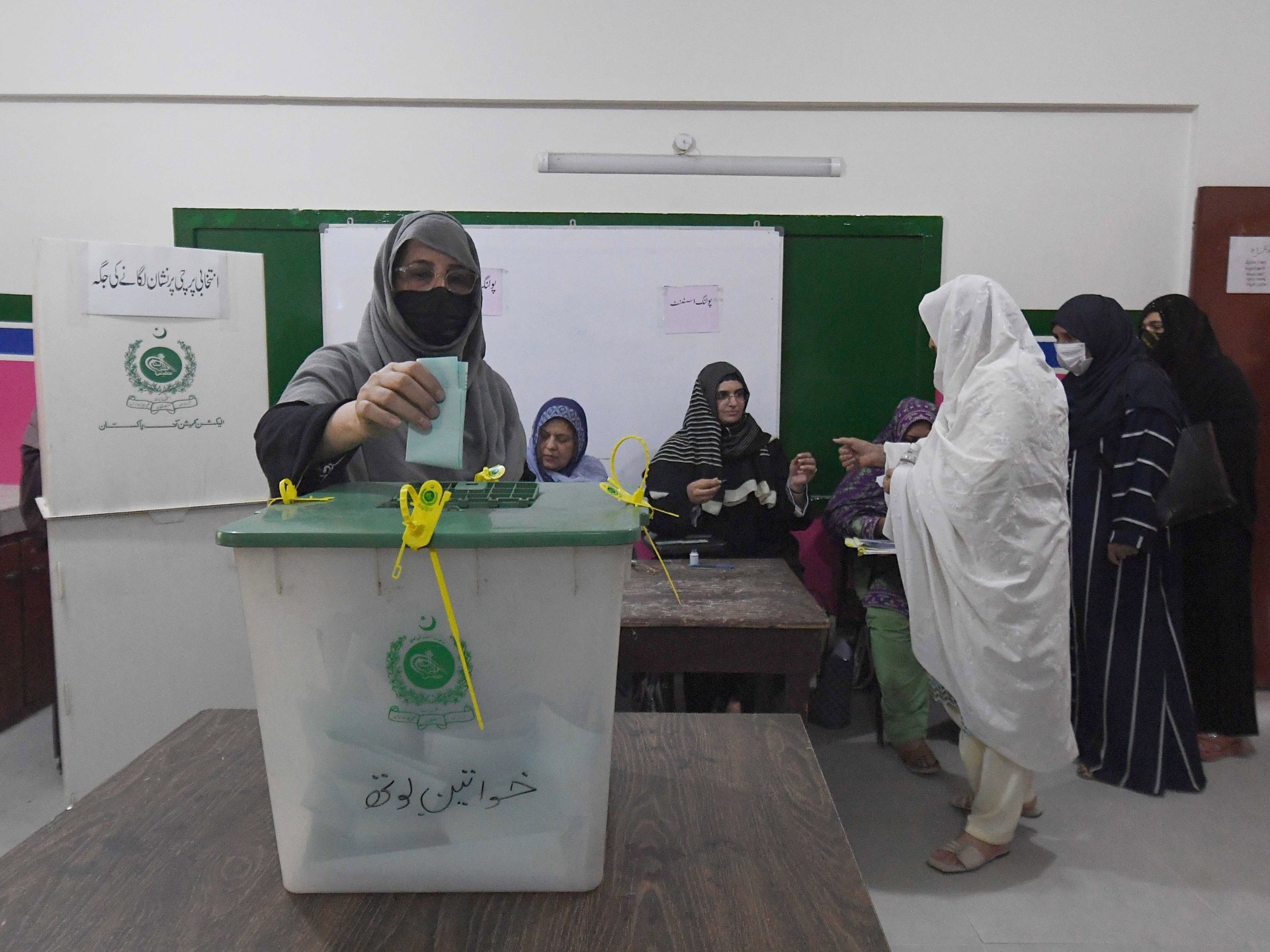
Lawmakers in Pakistan-administered Kashmir are electing a new president despite persistent civil unrest and seven vacant legislative seats, highlighting deep-seated governance challenges in the sensitive Himalayan region.
Geopolitical & Core Developments
Lawmakers in Pakistan-administered Kashmir are convening to elect a new regional president, a high-stakes political process unfolding amid severe institutional friction and prolonged civil unrest. The election proceeds despite seven vacant seats in the regional legislative assembly—vacancies stemming from months of intense protests, police clashes, and political fallout centered around economic grievances, heavily subsidized utility costs, and taxation policies. The territory, historically contested between India and Pakistan, serves as a vital strategic flashpoint in South Asia. The current unrest highlights a growing disconnect between local populations and federal administrative structures in Islamabad, complicating governance and raising domestic security concerns. State actors and local political factions are closely monitoring the succession, as the legitimacy of the incoming administration risks being undermined by the exclusion of key constituencies currently unrepresented due to ongoing boycotts and political upheaval.
[Global Trade](/news/trump-xi-jinping-us-summit-global-trade-geopolitics) & Economic Ripples
While Pakistan-administered Kashmir is not a primary industrial manufacturing hub or a direct driver of major global commodity exports, the prolonged instability within the broader Himalayan corridor introduces localized economic volatility that resonates through national supply chains. The unrest has frequently disrupted regional transport networks, local commerce, and vital supply arteries connecting agricultural and hydroelectric resources to major urban centers in Pakistan. Prolonged disruptions in the region threaten critical infrastructure projects, including ongoing hydroelectric developments that are essential for national energy grids struggling with chronic deficits. Furthermore, the fiscal strain of managing domestic security operations and subsidizing essential commodities to appease restive populations exacerbates Pakistan's broader macroeconomic vulnerabilities, adding pressure on foreign exchange reserves and complicating ongoing negotiations with international financial institutions such as the International Monetary Fund.
Related Intelligence: Trump and Xi Open High-Stakes US Summit to Reset Global Trade
International Reactions & Diplomatic Stances
International bodies and neighboring states are monitoring the developments in Pakistan-administered Kashmir with cautious attention, given the region's status as an unresolved territorial dispute between nuclear-armed neighbors India and Pakistan. While multilateral organizations like the United Nations have historically emphasized the need for calm and the protection of civilian rights in disputed territories, foreign ministries in Western capitals have urged restraint from all domestic political actors to prevent further escalation. Regional observers and international risk analysts note that persistent internal governance crises in Pakistan divert critical administrative and security bandwidth away from broader regional stabilization efforts, creating an unpredictable geopolitical climate that concerns foreign investors and international trade partners operating across South Asia.
Strategic Outlook & Future Scenarios
Looking ahead, the trajectory of Pakistan-administered Kashmir will largely depend on the newly elected president's ability to initiate meaningful dialogue with protest leaders and address core economic grievances relating to taxation, electricity tariffs, and public expenditure. Failure to restore civil order and political legitimacy risks cementing a cycle of permanent unrest, potentially drawing a more heavy-handed federal intervention that could further alienate the local populace. As regional and international summits approach, Islamabad faces the dual challenge of stabilizing its domestic peripheries while managing external economic pressures. Geopolitical escalation points remain tied to how federal authorities handle local dissent, with any severe crackdown threatening to reignite cross-border diplomatic tensions with New Delhi and draw heightened scrutiny from global human rights monitors.
Join Our Official WhatsApp Channel
Receive live commodity alerts, policy changes, and commercial intelligence directly on WhatsApp.