
Pakistan Adjusts Fuel Rates as Petrol Dips and Diesel Rises
Pakistan's government announced marginal adjustments to petroleum products, lowering petrol by Re0.66 per litre while increasing high-speed diesel by Re0.52 per litre.
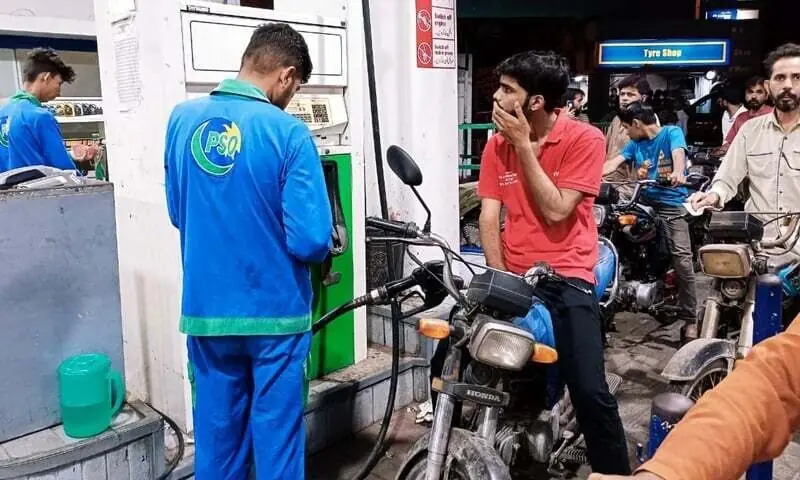
The Core Development
In the latest bi-monthly review of petroleum product prices, the Government of Pakistan, acting on the recommendations of the Oil and Gas Regulatory Authority (OGRA), announced minor adjustments to the ex-depot prices of key transport fuels. According to the official notification issued by the Ministry of Energy, the price of petrol (Motor Spirit) has been reduced by Re0.66 per litre. Conversely, the price of high-speed diesel (HSD), which serves as the primary fuel for heavy transport, agriculture, and industrial logistics across the country, has been revised upward by Re0.52 per litre.
These adjustments take immediate effect and will remain applicable for the upcoming fortnightly monitoring cycle. The latest review reflects shifting trends in international benchmark oil prices, foreign exchange rate fluctuations, and adjustments in local tax structures, including the petroleum levy and general sales tax applied by federal authorities to meet fiscal targets agreed upon under international financial arrangements.
Commercial & Economic Implications
While the nominal adjustment of less than one rupee per litre may appear negligible on an individual retail transaction, the broader macroeconomic implications for Pakistan's commercial and industrial sectors warrant closer examination. High-speed diesel remains the lifeblood of the domestic economy, powering freight transport, inter-city logistics, and agricultural tube wells. The upward revision in diesel pricing, although modest, compounds existing input costs for supply chains already grappling with elevated utility tariffs and financing rates.
Conversely, the slight reduction in petrol prices offers a minor reprieve to urban commuters, ride-hailing services, and two-wheeler operators who form the backbone of metropolitan mobility. However, economists note that because transport costs directly influence the distribution expenses of fast-moving consumer goods, raw materials, and perishable food items, even fractional movements in diesel rates can trigger secondary ripples in retail inflation indices monitored closely by the State Bank of Pakistan.
Related Intelligence: West Bank Violence Threatens Regional Stability and Agricultural Supply Chains
Stakeholder Perspectives & Market Reactions
Industry bodies, transport associations, and consumer rights advocates have offered mixed reactions to the latest pricing notification. Representatives of goods transport unions noted that while the diesel price hike is relatively small, the cumulative effect of continuous fortnightly adjustments over the past fiscal quarters has severely eroded operating margins for fleet owners. They argue that high operating expenditures continue to strain logistics companies, making it difficult to maintain stable freight charges.
Meanwhile, retail petroleum dealers expressed relief that the price movements remained contained, avoiding the dramatic spikes or supply hoarding tendencies that historically accompany major petroleum revisions. Officials within the Ministry of Energy maintained that the pricing formula remains entirely transparent, anchored strictly to landed costs, import parities, and existing taxation frameworks designed to balance revenue generation with consumer protection.
Forward Outlook & Key Watchpoints
As global energy markets navigate geopolitical uncertainties, supply chain realignments, and fluctuating OPEC+ production quotas, domestic fuel prices in Pakistan will remain subject to high volatility in the coming months. Market analysts and business leaders will monitor the fortnightly announcements closely for signs of broader commodity trends. Key watchpoints for the upcoming quarter include the government's adherence to petroleum levy petroleum development targets, exchange rate stability against the US dollar, and the trajectory of refined product prices in the Arab Gulf benchmarks.
Join Our Official WhatsApp Channel
Receive live commodity alerts, policy changes, and commercial intelligence directly on WhatsApp.