
Pacific Whale Strike Highlights Rising Maritime Navigation Risks
The dramatic open-ocean collision between a cruising yacht and a sperm whale off New Zealand highlights emerging navigational hazards and safety protocols across international maritime transit corridors.
Geopolitical & Core Developments
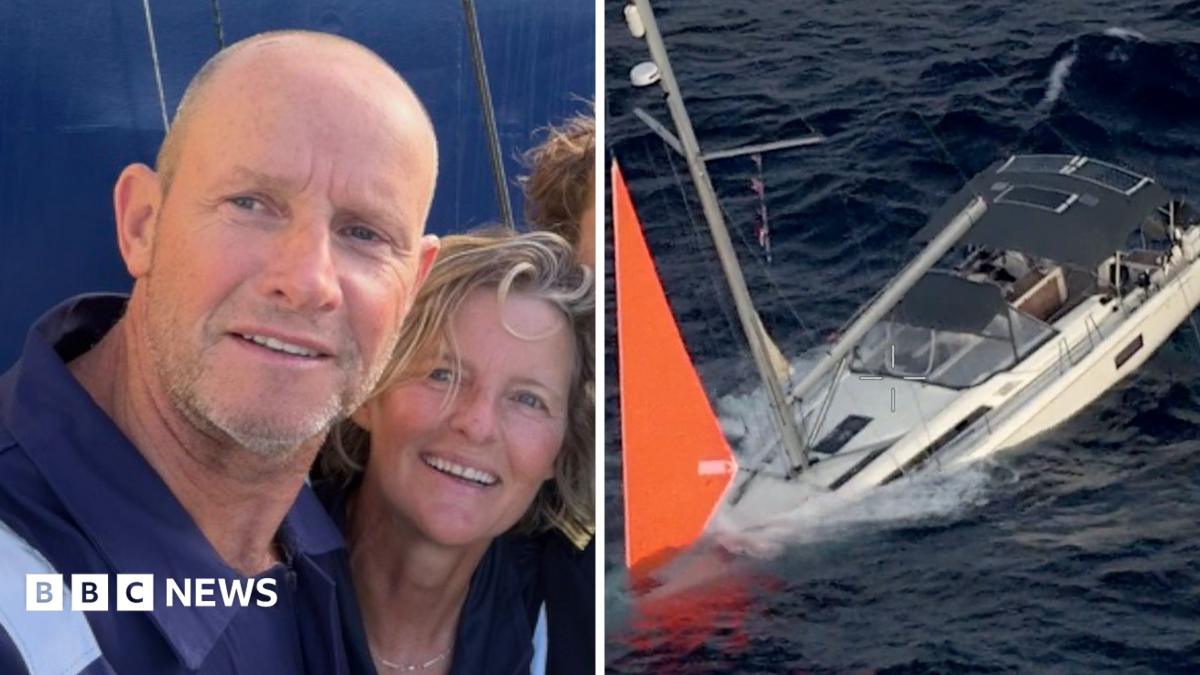
In an incident highlighting the unpredictable perils of open-ocean navigation, British sailors Jeremy and Gemma Cooper experienced a catastrophic maritime emergency approximately 500 miles off the coast of New Zealand. Their vessel, the Tai Tam, suffered critical structural damage after a high-impact collision with a sperm whale, forcing an emergency rescue operation coordinated by international maritime rescue coordination centers. The event underscores the increasing frequency of vessel-whale encounters in pelagic waters, a phenomenon driven by recovering cetacean populations and expanding maritime traffic across traditional oceanic migration corridors.
Maritime authorities and search-and-rescue agencies in the South Pacific have intensified monitoring of high-risk oceanic zones where commercial shipping lanes intersect with vital marine mammal habitats. While historical maritime strategy has focused predominantly on geopolitical choke points, piracy, and extreme weather, modern marine governance increasingly incorporates environmental risk management, including whale-strike mitigation strategies. As trans-oceanic transit volumes expand, governing bodies are under pressure to establish comprehensive tracking and warning systems to safeguard both human mariners and endangered marine species.
Global Trade & Economic Ripples
Although private yacht incidents rarely alter macroeconomic fundamentals, the broader implications of marine mammal strikes carry tangible weight for global shipping, maritime logistics, and marine insurance sectors. Commercial cargo vessels, container ships, and bulk carriers operating across Southern Hemisphere trade routes face rising operational overheads driven by mandatory speed restrictions and route deviations designed to minimize cetacean strikes. These environmental compliance measures, while crucial for ecological preservation, incrementally affect voyage times and fuel consumption across trans-Pacific and trans-Atlantic supply chains.
Furthermore, the global marine insurance market is observing a subtle recalibration of risk assessment models. Underwriters are closely analyzing structural vulnerability data following high-profile vessel collisions with marine fauna. For commodity traders and shipping conglomerates, any tightening of maritime safety regulations translates into heightened compliance costs and potential adjustments in freight rate pricing structures. As international trade routes face compounding vulnerabilities from climate change and geopolitical friction, navigational safety remains a critical determinant of supply chain resilience.
Related Intelligence: Catastrophic Floods in Nepal Trigger Supply Chain and Infrastructure Alarms
International Reactions & Diplomatic Stances
International environmental bodies, including the International Whaling Commission (IWC) and the International Maritime Organization (IMO), have repeatedly emphasized the necessity of balancing commercial maritime efficiency with marine conservation mandates. Following the rescue of the Cooper family, maritime safety advocates renewed calls for mandatory collision-avoidance technology across commercial fleets, arguing that advanced acoustic monitoring and thermal imaging systems should become standard equipment for ocean-going vessels.
National governments with extensive maritime borders, particularly New Zealand and Australia, continue to lobby for stringent international standards regarding vessel speeds in sensitive ecological zones. While developing economies and certain shipping lobbies express concern over the economic burden of mandatory route modifications, multilateral consensus is slowly shifting toward integrated ocean management frameworks. These frameworks aim to protect critical marine infrastructure and shipping lanes while simultaneously preserving vulnerable marine ecosystems.
Strategic Outlook & Future Scenarios
Looking ahead, the intersection of marine ecology and international shipping will likely feature prominently in upcoming global maritime summits and environmental forums. As satellite tracking of whale populations improves, future regulatory frameworks may introduce real-time geofencing and dynamic speed limits across major commercial shipping corridors. For global commodity markets and logistics operators, adapting to these enhanced environmental safeguards will be essential to mitigating operational disruption and avoiding costly maritime liabilities in an increasingly regulated global commons.
Join Our Official WhatsApp Channel
Receive live commodity alerts, policy changes, and commercial intelligence directly on WhatsApp.