
Nicaragua Withdraws From Central American Parliament Amid Escalating Isolation
Nicaragua's withdrawal from the Central American Parliament deepens its diplomatic isolation following severe international scrutiny over domestic human rights abuses and democratic regression.
Geopolitical & Core Developments
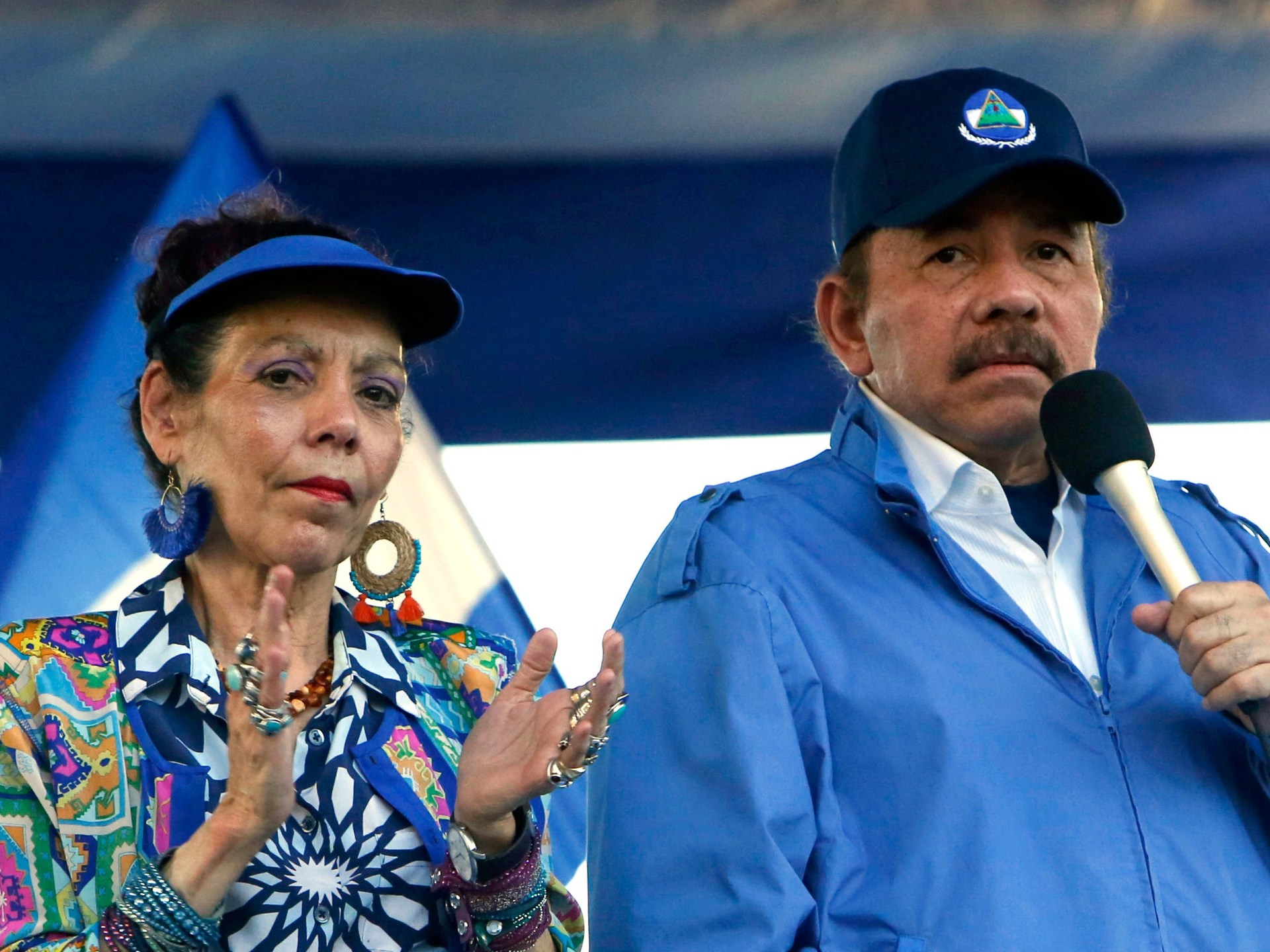
Nicaragua has formally announced its withdrawal from the Central American Parliament (Parlacen), a dramatic diplomatic maneuver that accelerates the nation's retreat from multilateral integration. The decision follows mounting international condemnation of President Daniel Ortega's administration, which has faced severe global scrutiny for aggressive crackdowns on political opposition, civil society organizations, and human rights advocates. Parlacen, headquartered in Guatemala, serves as a regional legislative body designed to foster integration among Central American nations. By severing ties with this foundational institution, Managua risks cementing its status as a regional pariah, trading multilateral cooperation for insular sovereignty. State actors across Latin America have observed the development with profound concern, noting that the exit dismantles yet another diplomatic channel for regional dialogue and democratic accountability.
Global Trade & Economic Ripples
While Nicaragua's withdrawal from a political parliament does not immediately sever commercial treaties such as the Dominican Republic-Central America Free Trade Agreement (CAFTA-DR), the move introduces subtle friction into cross-border commerce. Global commodity markets—particularly agricultural exports such as coffee, beef, and sugar originating from Nicaraguan producers—rely heavily on predictable regional transit corridors and harmonized regulatory frameworks. Heightened political isolation can complicate bilateral trade negotiations, deter foreign direct investment, and introduce compliance hurdles for international shipping lines operating in Central American ports. Multinational corporations sourcing raw materials from the region are re-evaluating supply chain resilience amidst fears that deepening political instability could eventually manifest as logistical bottlenecks or sudden tariff adjustments.
Related Intelligence: Russian Strikes on Kyiv Bridges Trigger Renewed Supply Chain Anxieties
International Reactions & Diplomatic Stances
The international community has responded to Nicaragua's exit with a mixture of censure and apprehension. Multilateral bodies, including the Organization of American States (OAS) and various United Nations human rights rapporteurs, view the withdrawal as a direct consequence of Managua's refusal to comply with regional democratic charters. Neighboring Central American governments have expressed unease, warning that the disintegration of regional cooperative bodies weakens the collective bargaining power of the isthmus on the global stage. Market analysts emphasize that while immediate macroeconomic shocks are muted, the persistent erosion of institutional checks and balances in Nicaragua discourages long-term capital allocation by risk-averse institutional investors.
Strategic Outlook & Future Scenarios
Looking ahead, Nicaragua's trajectory points toward deeper alignment with extra-regional powers that remain indifferent to domestic governance standards, potentially altering the geopolitical balance within Central America. Upcoming diplomatic summits will likely feature intense debates regarding the enforcement of democratic clauses in regional trade pacts. Should Managua face targeted economic sanctions or further diplomatic expulsions, secondary effects could ripple through Central American financial systems and regional energy networks. Policymakers and commercial stakeholders must navigate an increasingly fractured geopolitical landscape where traditional multilateral institutions struggle to enforce compliance and preserve regional stability.
Join Our Official WhatsApp Channel
Receive live commodity alerts, policy changes, and commercial intelligence directly on WhatsApp.