
Ireland Israel Match Interruption Tests European Diplomatic Lines
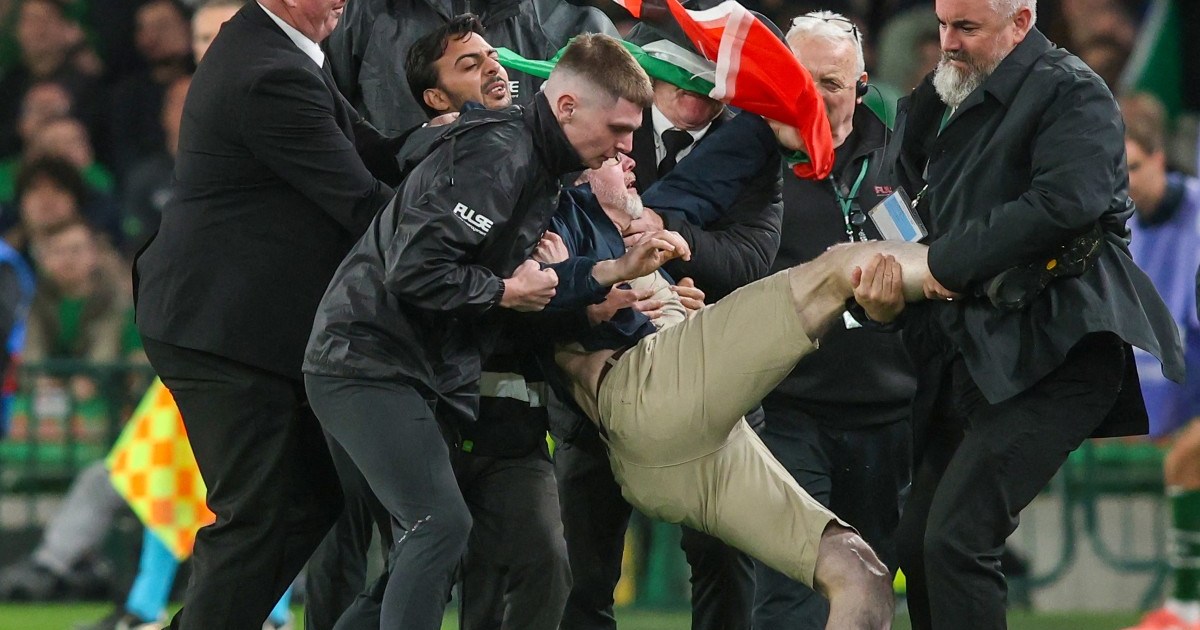
Protesters halted the Republic of Ireland versus Israel match with tennis balls and Palestinian flags, intensifying domestic and international pressure for a sporting and commercial boycott.
Geopolitical & Core Developments
The Republic of Ireland's recent athletic fixture against Israel transformed into a major geopolitical flashpoint after demonstrators breached security protocols, halting the game by hurling tennis balls onto the pitch and displaying Palestinian flags. This disruption reflects a deepening societal and political divide across Europe regarding the ongoing Middle East conflict. Activist groups, civic organizations, and prominent political figures have amplified calls for a total sporting and commercial boycott of Israeli entities, drawing direct parallels to historical sanctions regimes. State actors across the European Union find themselves navigating an increasingly complex diplomatic tightrope, balancing domestic public sentiment that strongly favors Palestinian solidarity with established bilateral and multilateral state ties. The incident underscores how grassroots geopolitical activism is successfully penetrating traditionally insulated international arenas, turning high-profile cultural and athletic events into barometers of public discontent against official government foreign policies.
Global Trade & Economic Ripples
While sporting fixtures appear detached from heavy industrial trade, the underlying socio-political polarization carries tangible implications for global commerce, supply chain continuity, and corporate risk management. Multinational corporations, particularly those operating across consumer goods, logistics, and energy sectors within the Eastern Mediterranean and Western Europe, face mounting pressure to evaluate their regional exposure and compliance with ethical investment criteria. Consumer-facing brands sponsoring international federations and tournaments are increasingly vulnerable to reputational damage, consumer boycotts, and supply chain disruptions driven by widespread civil unrest. Furthermore, heightened regional instability in the Middle East continues to cast a shadow over maritime shipping lanes, international reinsurance premiums, and commodity pricing structures, particularly concerning energy commodities and agricultural inputs. Financial market analysts are monitoring whether sustained public protests could eventually translate into broader regulatory scrutiny, export restrictions, or targeted trade measures impacting commercial transactions across the affected corridors.
Related Intelligence: Gaza Mass Burial Underscores Deepening Humanitarian Crisis Amid Regional Instability
International Reactions & Diplomatic Stances
Official responses to the match interruption have highlighted deep divisions within the international community. Domestic political leaders in Dublin face intensified opposition questioning the moral consistency of maintaining standard diplomatic and athletic engagements while humanitarian crises deepen abroad. Meanwhile, international sports governing bodies, including football and Olympic committees, face mounting dilemmas regarding their statutory neutrality versus human rights obligations. Multilateral organizations and human rights monitors note that the growing intersection of geopolitics and public entertainment is creating unprecedented security and administrative challenges for tournament organizers. Market analysts and geopolitical risk consultancies warn that as public demonstrations become more disruptive, governments may be forced to implement stricter security protocols or reconsider official delegations at international events, altering the landscape of cultural and athletic diplomacy.
Strategic Outlook & Future Scenarios
Looking ahead, the trajectory of such protests suggests that international sporting events will remain prime targets for geopolitical expression as long as diplomatic solutions remain elusive. Upcoming international summits, regional trade negotiations, and legislative sessions across European capitals will likely see renewed debates over sanctions, arms embargoes, and cultural boycotts. Corporations and institutional investors must incorporate these rising socio-political friction points into their long-term risk assessments, recognizing that civil unrest can rapidly materialize in unexpected commercial domains. As diplomatic channels strain under the weight of polarized public opinion, the commercial and economic fallout from geopolitical disputes will continue to test the resilience of global trade networks and international cooperation frameworks.
Join Our Official WhatsApp Channel
Receive live commodity alerts, policy changes, and commercial intelligence directly on WhatsApp.