
New Global Truce Proposals Aim to Stabilize Markets
Emerging diplomatic initiatives from major economies seek to broker a Russia-Ukraine truce to safeguard vital global energy supplies and shipping lanes.
Geopolitical & Core Developments
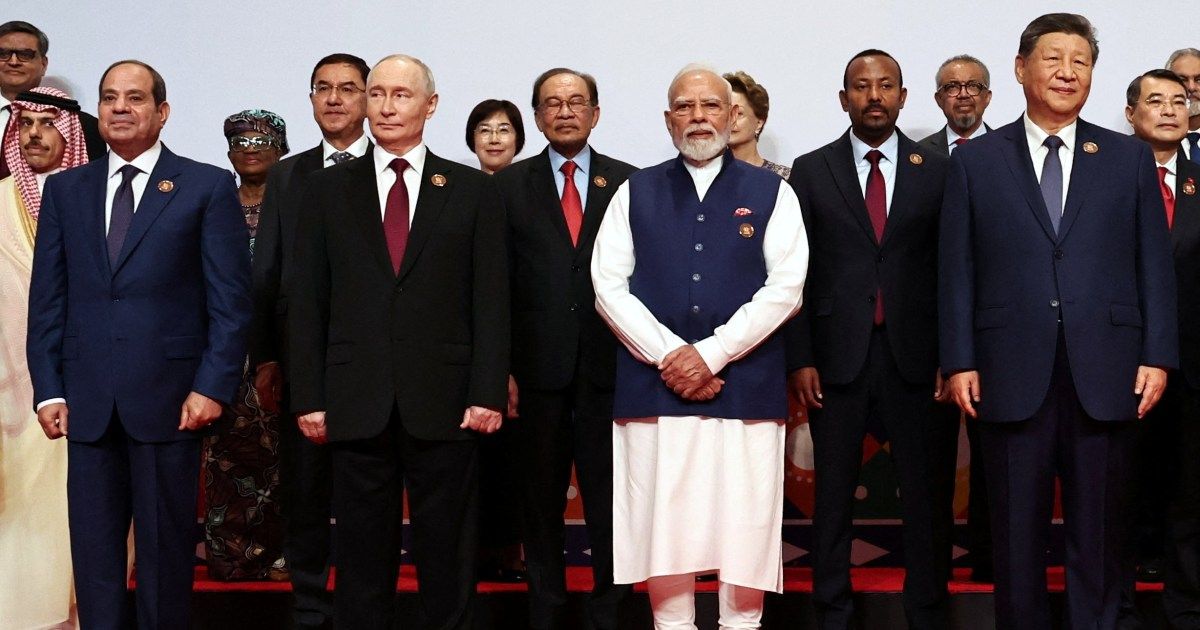
A concerted diplomatic push by several pivotal middle powers and global heavyweights—namely India, Turkiye, Egypt, and the United States—has introduced a fresh series of proposals aimed at achieving a negotiated ceasefire in the protracted Russia-Ukraine conflict. As the war grinds through its third year, traditional Western-led diplomatic channels have repeatedly stalled, prompting alternative capitals to step into mediator roles. Turkiye, leveraging its strategic control over the Bosporus and Dardanelles straits under the Montreux Convention, has reiterated its readiness to host high-level peace summits. Concurrently, New Delhi has utilized its unique geopolitical positioning, maintaining robust economic ties with Moscow while simultaneously engaging Western allies, to channel back-channel discussions regarding humanitarian corridors and cessation of hostilities. Egypt and Washington are pursuing parallel diplomatic tracks focused heavily on food security and maritime safety in the crucial Black Sea basin. These initiatives reflect a broader international consensus that the prolongation of hostilities poses an existential threat to regional stability and global economic architecture, forcing state actors to transcend polarized blocs in search of a viable diplomatic off-ramp.
Global Trade & Economic Ripples
The economic imperatives driving these mediation efforts are profound, centered squarely on the preservation of international energy grids, critical commodity supplies, and maritime trade routes. The ongoing conflict has continuously disrupted global energy markets, inducing severe volatility in European natural gas benchmarks and international crude pricing. Furthermore, the Black Sea basin remains a primary artery for global agricultural trade, particularly for wheat, barley, and maize exports destined for developing economies across North Africa and the Middle East. Repeated threats to commercial shipping lanes, naval mine deployments, and targeted infrastructure strikes on Ukrainian port facilities have artificially inflated freight rates, marine insurance premiums, and operational risks for global shipping conglomerates. Industrial commodity markets, including fertilizers and base metals, have experienced acute price spikes, feeding inflationary pressures across both developed and emerging economies. A durable truce or sustained ceasefire is increasingly viewed by multinational corporations and commodity traders as an absolute prerequisite for normalizing supply chains and dampening systemic macroeconomic instability.
Related Intelligence: Russian Strike on Kramatorsk Escalates Eastern Ukraine Conflict
International Reactions & Diplomatic Stances
International bodies and market analysts have responded to the new truce proposals with a mixture of cautious optimism and pragmatic skepticism. The United Nations has consistently underscored the necessity of protecting civilian maritime corridors, offering full logistical support to any credible framework that guarantees safe passage for commercial vessels. European Union capitals have welcomed diplomatic engagement from partners like India and Turkiye, provided that any final settlement respects Ukraine's territorial integrity and sovereignty. However, skepticism persists within diplomatic circles regarding Moscow and Kyiv's immediate willingness to compromise on core war aims. Energy and commodity analysts note that while markets have temporarily priced in a prolonged war of attrition, any tangible progress toward a negotiated settlement would trigger immediate downward corrections in energy futures and agricultural commodity prices, lowering input costs for global manufacturers and easing cost-of-living pressures worldwide.
Strategic Outlook & Future Scenarios
The trajectory of these newly unveiled mediation proposals remains highly contingent upon upcoming geopolitical summits, diplomatic signaling from Washington and Moscow, and the shifting dynamics on the frontline. If upcoming international forums facilitate a framework for localized ceasefires—particularly regarding maritime trade and energy infrastructure—global commodity markets could experience a period of stabilization heading into the next fiscal quarters. Conversely, failure to bridge the wide gap between Russian territorial demands and Ukrainian sovereignty requirements risks entrenching the conflict further, potentially inviting secondary sanctions, tighter export controls, and heightened risk of supply disruptions. For global enterprises, the coming months will require rigorous supply chain diversification, agile risk management, and close monitoring of geopolitical developments as middle powers attempt to reshape the contours of international diplomacy.
Join Our Official WhatsApp Channel
Receive live commodity alerts, policy changes, and commercial intelligence directly on WhatsApp.