
France Student Uprisings Echo 1968 Amid Deepening Economic Strain
Renewed student protests across France mirror the historic 1968 civil unrest, igniting broader economic concerns across European markets.
Geopolitical & Core Developments
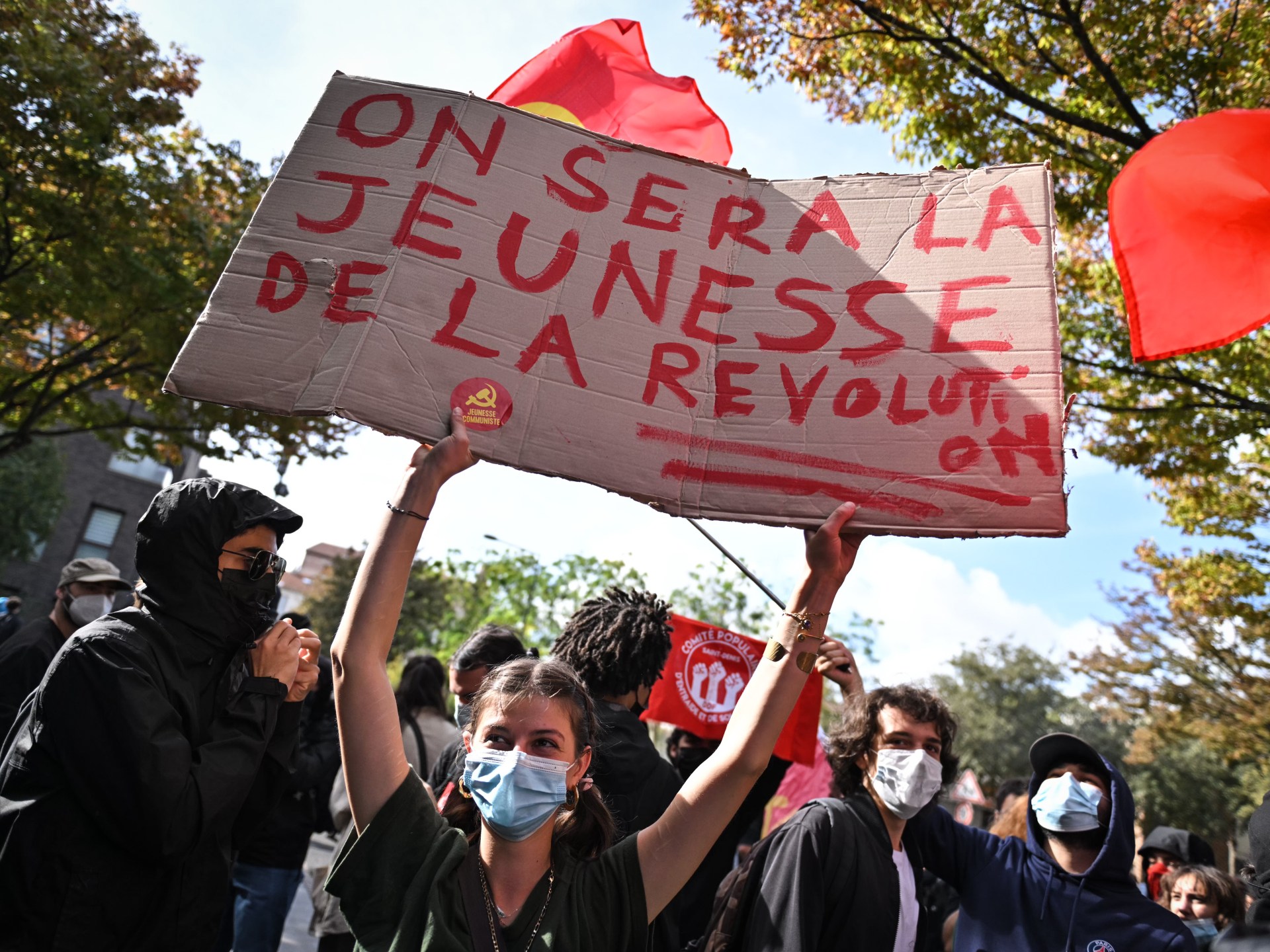
France finds itself at a precarious domestic and international juncture as a wave of student-led demonstrations sweeps across university campuses and urban centers. The current wave of civil disobedience bears striking resemblances to the historic May 1968 uprisings that fundamentally altered the nation's political landscape. What began as localized grievances regarding higher education funding, academic facility degradation, and cost-of-living pressures has rapidly morphed into an existential debate over generational prospects and socioeconomic mobility. President Emmanuel Macron's administration faces a formidable political crisis, as youth organizations successfully mobilize broader societal discontent.
The state apparatus has responded with heightened security deployments across major metropolitan areas, including Paris, Lyon, and Marseille. Diplomatic observers in European capitals are monitoring the situation closely, acutely aware that domestic instability in France frequently cascades into broader paralysis within European Union legislative bodies. As trade unions deliberate joining the student coalition, the risk of a synchronized nationwide general strike intensifies, threatening to paralyze public transport, governmental administration, and commercial logistics.
Global Trade & Economic Ripples
While ostensibly rooted in domestic grievances, the French student mobilization carries substantial implications for European and global commerce. France represents the Eurozone's second-largest economy, and any prolonged industrial action directly threatens cross-border supply chains, particularly within the automotive, aerospace, and energy sectors. Freight forwarding through major French rail networks and maritime ports faces immediate disruption risks, forcing logistics firms to reroute European cargo through alternative corridors in Belgium, Germany, and the Netherlands.
Furthermore, investor sentiment regarding French sovereign debt has experienced heightened volatility. Uncertainty surrounding potential fiscal concessions by the Macron government to appease protestors has widened yield spreads on French government bonds compared to German bunds. Currency markets have registered cautious pressure on the euro as foreign exchange traders price in the risk of protracted economic stagnation and diminished industrial output. Commodity markets, particularly refined petroleum products and electricity distribution within the European grid, remain on alert for potential strikes targeting refineries and nuclear power plant maintenance schedules.
Related Intelligence: Pakistan Bound to Consult Multilateral Lenders on Petroleum Levy Adjustments
International Reactions & Diplomatic Stances
International bodies and neighboring states have expressed cautious concern over the escalating domestic tensions in Paris. European Commission officials have emphasized the importance of maintaining civil order and constructive social dialogue while underscoring the necessity for France to adhere to its medium-term fiscal consolidation targets. Global credit rating agencies have issued analytical notes warning that prolonged social unrest could undermine structural labor reforms, ultimately reducing France's long-term economic competitiveness.
Market analysts from leading global financial institutions suggest that the unrest reflects a broader European malaise regarding post-inflationary economic adjustments, high interest rates, and generational wealth inequality. International investors are increasingly evaluating the political risk premium associated with Western European assets, noting that systemic dissatisfaction among the youth demographic could presage similar political volatility in neighboring economies.
Strategic Outlook & Future Scenarios
Looking ahead, the trajectory of the French crisis hinges on the government's ability to negotiate effectively with student leaders and labor confederations before the unrest hardens into a permanent fixture of the political landscape. Upcoming legislative debates on the national budget and austerity measures will serve as critical flashpoints. Should the government resort to executive decree mechanisms to pass controversial reforms, the likelihood of an escalation into comprehensive nationwide strikes will increase exponentially.
For international businesses and geopolitical strategists, the immediate future demands rigorous supply chain contingency planning and continuous risk assessment. The convergence of student activism with organized labor demands poses a severe test of governance for the current administration, with far-reaching consequences for the stability of European integration and international market confidence.
Join Our Official WhatsApp Channel
Receive live commodity alerts, policy changes, and commercial intelligence directly on WhatsApp.