
Nepalese Hydropower Crisis Threatens Regional Energy Stability
A catastrophic glacial collapse in Nepal has destroyed 10pc of its hydropower generation capacity, exposing severe regional energy security risks amid intensifying climate realities.
The Core Development
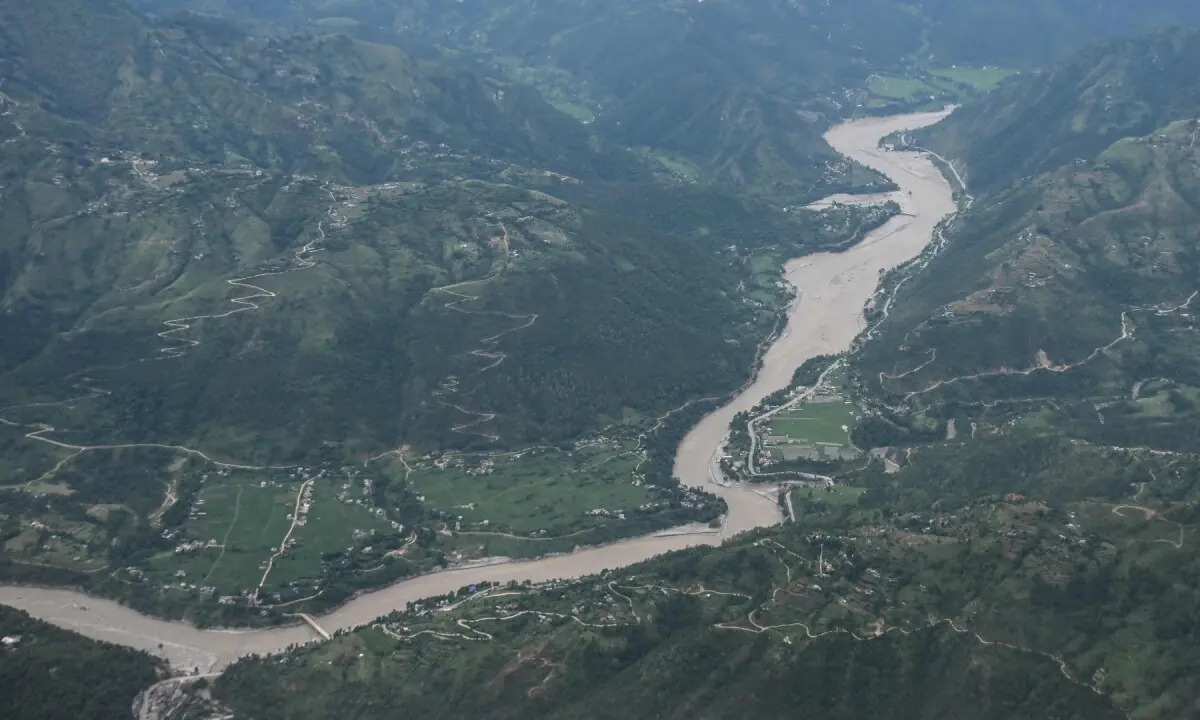
Nepal's ambitious narrative of becoming a regional clean energy powerhouse has collided harshly with geological reality following a catastrophic glacial mountain collapse along the China-Nepal border. The disaster unleashed massive, unprecedented flooding that claimed over 1,400 lives, left thousands missing, and obliterated critical infrastructure. Among the hardest-hit sectors was the nation's burgeoning hydropower industry, which instantly lost 410 megawatts of generation capacity—amounting to approximately 10 percent of Nepal's total operational power system.
More than 90 percent of Nepal's electricity generation relies on river-run hydropower projects. The August disaster demonstrated the extreme vulnerability of these installations to glacial lake outburst floods and seismic shifts in the Himalayas. Engineering assessments indicate that heavy siltation, structural compromises in penstocks, and complete destruction of switchyards have rendered multiple run-of-river plants entirely inoperable for the foreseeable future, forcing energy planners to re-evaluate the foundational security of the national grid.
Commercial & Economic Implications
For broader South Asian trade and energy corridors, including potential cross-border power transmission frameworks involving Pakistan and regional partners, this shock carries profound economic weight. Hydropower has long been championed as the ultimate hedge against fossil fuel price volatility and carbon-heavy generation. However, the sudden loss of a tenth of a nation's generating capacity triggers immediate fiscal strain, driving up spot-market power procurement costs, draining public exchequers, and threatening industrial output.
Commercial enterprises and wholesale distributors relying on stable, cost-effective renewable grids face looming tariff adjustments. As insurance premiums for high-risk Himalayan energy projects skyrocket, capital expenditure for future developments will inevitably face tighter scrutiny from international lenders and development banks. This financial recalibration directly impacts regional inflation expectations and dampens investor appetite for similar mega-projects across the Hindu Kush Himalayan region, where climate-induced infrastructure shocks are becoming an annual economic hazard.
Related Intelligence: Kylian Mbappe Knee Injury Triggers Market Volatility and Sport Economic Anxiety
Stakeholder Perspectives & Market Reactions
Industry bodies and independent power producers have voiced deep concern over the viability of current risk-assessment models. Uttam Bhlon Lama, senior vice president of the Independent Power Producers’ Association of Nepal (IPPAN), noted that while hydropower remains the primary engine for economic growth, employment, and local income generation, the traditional metrics for project feasibility are now obsolete.
Financial markets and international rating agencies have begun adjusting risk premiums for infrastructure projects located in seismically active and climate-vulnerable zones. Legal and environmental experts are pushing for mandatory climate-resilient engineering standards, arguing that conventional environmental impact assessments fail to account for accelerating glacial melting and extreme weather anomalies. Public response has likewise shifted from uncritical celebration of green energy expansion to urgent demands for robust early-warning systems and decentralized backup generation.
Forward Outlook & Key Watchpoints
Navigating the aftermath of this disaster requires an immediate pivot in policy enforcement and engineering design across South Asia's renewable energy sector. Policymakers must establish rigorous structural stress-testing protocols for existing facilities and mandate strict zoning regulations away from unstable glacial paths.
Key watchpoints for financial markets and energy analysts over the next 12 to 18 months include the pace of structural rehabilitation for the destroyed 410 MW capacity, potential revisions to cross-border power export agreements, and the availability of climate adaptation financing. If regional stakeholders fail to integrate comprehensive geological risk management into their energy matrices, recurring climate shocks will continue to undermine economic stability across the Himalayas.
Join Our Official WhatsApp Channel
Receive live commodity alerts, policy changes, and commercial intelligence directly on WhatsApp.