
Myanmar Airstrikes Deepen Rakhine Crisis as Regional Trade Falters
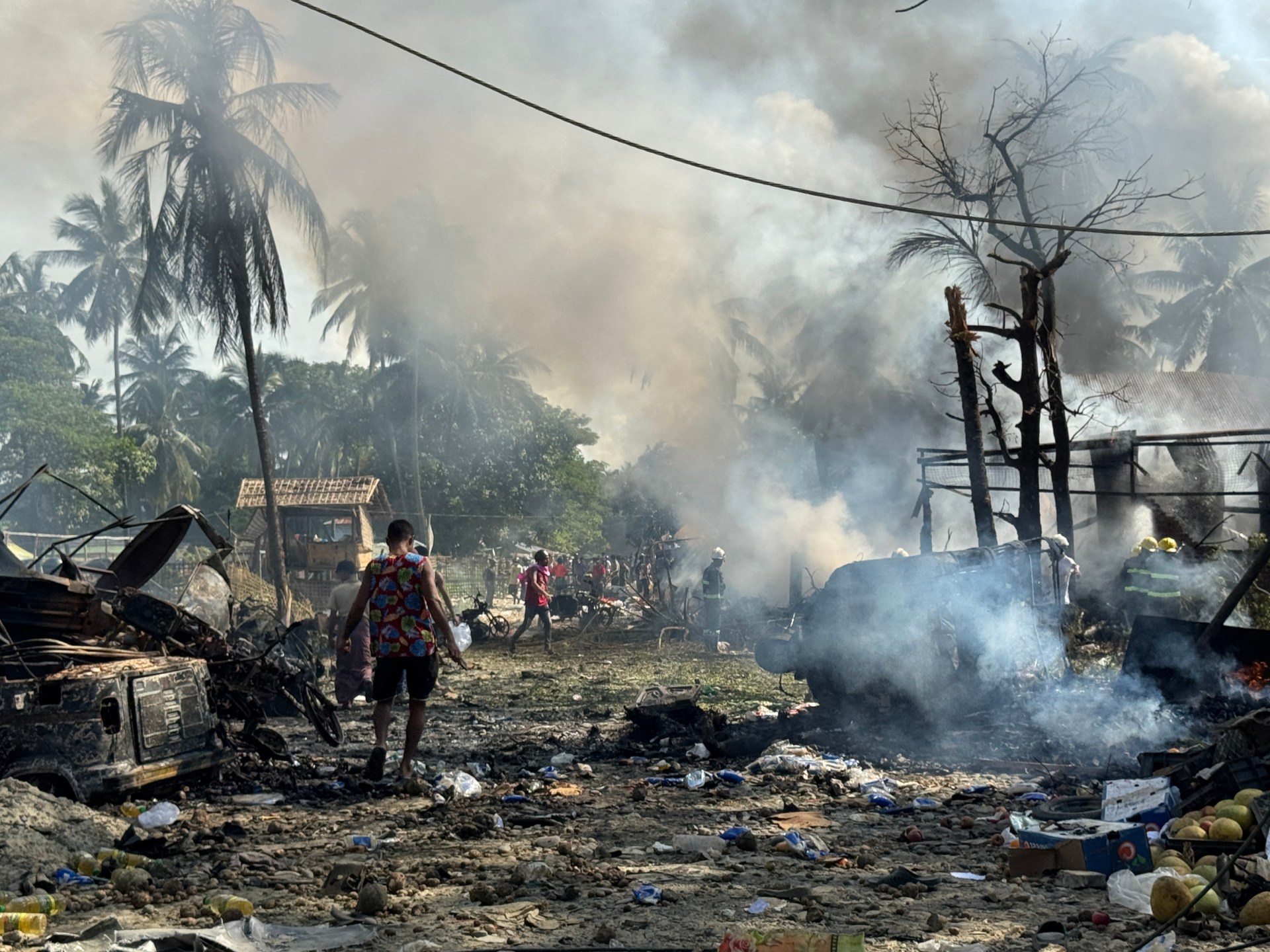
Escalating military air strikes in Myanmar's Rakhine state have displaced half a million people, threatening critical regional trade routes and international supply chains.
Geopolitical & Core Developments
The security architecture of Southeast Asia is facing unprecedented strain following a devastating series of military air strikes executed by the Myanmar junta in Rakhine state. The bombardment, targeting perceived rebel strongholds and civilian infrastructure alike, has dramatically accelerated a humanitarian catastrophe that has now displaced close to half a million individuals within the region. The conflict pits the beleaguered military junta against the Arakan Army and allied insurgent factions, who have steadily captured vital territory along the country's western corridor. As the central government struggles to maintain territorial integrity, the escalation marks a tactical shift toward aerial bombardment, compounding civilian casualties and paralyzing local governance. The breakdown of state authority in Rakhine has transformed a domestic insurrection into a sprawling geopolitical vulnerability, drawing intense scrutiny from ASEAN and neighboring states seeking to manage the refugee outflows and secure volatile borderlands.
Global Trade & Economic Ripples
Beyond the immediate human toll, the collapse of stability in Rakhine state carries profound implications for global trade, commodity pricing, and strategic infrastructure corridors. Rakhine serves as the anchor point for multi-billion-dollar energy investments, notably the Shwe offshore natural gas fields and the associated pipelines transporting vital hydrocarbons to regional economic powerhouses like China. Persistent hostilities and the militarization of coastal zones threaten these critical energy arteries, introducing acute risk premiums into regional gas markets. Furthermore, maritime commerce traversing the Bay of Bengal and the strategic port facilities of Kyaukphyu face mounting operational uncertainties. Supply chains dependent on overland trade routes connecting Myanmar to South and Southeast Asia are experiencing severe bottlenecks, inflating logistics costs and disrupting the export of agricultural commodities and raw materials essential to regional manufacturing ecosystems.
Related Intelligence: NFL Demands Removal of Hall of Famer from DHS Border Security Campaign
International Reactions & Diplomatic Stances
The international community has responded to the intensification of hostilities with mounting alarm, though diplomatic paralysis continues to hamper decisive multilateral intervention. United Nations agencies have issued urgent appeals for humanitarian access, condemning the indiscriminate use of air power against populated areas and warning of catastrophic food insecurity across displaced populations. Neighboring nations, particularly India and Bangladesh, are grappling with the immediate spillover effects, including refugee influxes and cross-border security threats. Western governments have reiterated calls for expanded targeted sanctions against the junta's aviation fuel supply chains and financial networks, while ASEAN remains internally divided over how to enforce its stalled Five-Point Consensus. Market analysts note that protracted diplomatic friction diminishes investor confidence across the broader Mekong subregion, casting a shadow over future infrastructure integration projects.
Strategic Outlook & Future Scenarios
The trajectory of the conflict in Rakhine points toward protracted instability, with neither the military junta nor insurgent forces possessing the decisive capability to secure a total military victory in the near term. As the junta relies increasingly on air superiority to counter territorial losses, further high-casualty incidents are anticipated, likely triggering stricter western sanctions and heightened diplomatic isolation. Upcoming regional summits will test ASEAN's diplomatic resolve, though consensus-based limitations suggest that substantive policy shifts remain unlikely. For international businesses and commodity traders, the primary imperative involves de-risking supply chains and contingency planning for potential disruptions to energy infrastructure in the Bay of Bengal, ensuring resilience against a backdrop of deepening geopolitical fragmentation.
Join Our Official WhatsApp Channel
Receive live commodity alerts, policy changes, and commercial intelligence directly on WhatsApp.