
Michelle Bachelet Withdraws from UN Secretary-General Race Amid Deadlock
Former Chilean President Michelle Bachelet has ended her candidacy for United Nations Secretary-General following weak straw-poll support, intensifying diplomatic maneuvering among Security Council powers over the future direction of multilateral governance.
Geopolitical & Core Developments
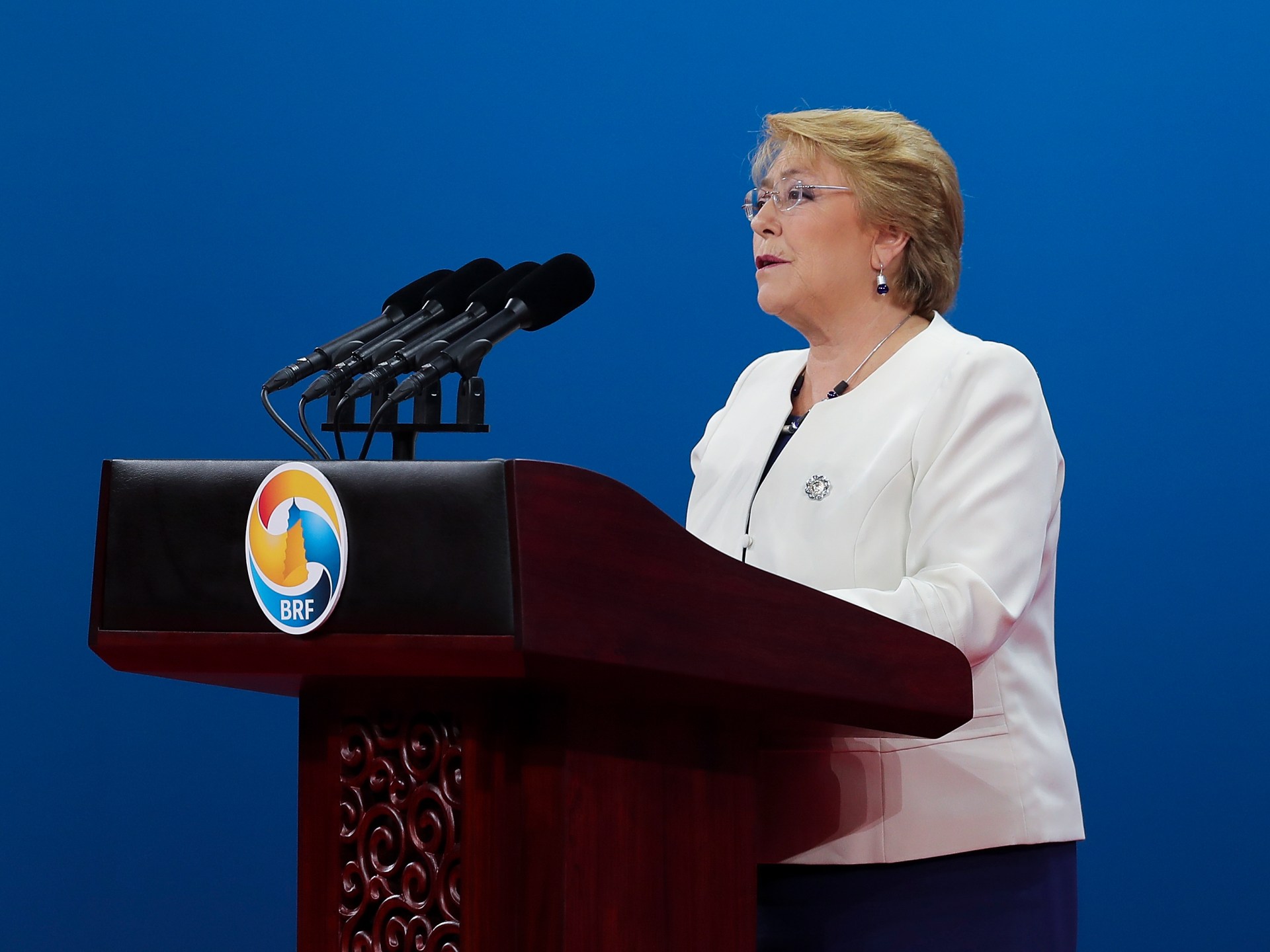
Former Chilean President Michelle Bachelet has formally ended her campaign to become the next Secretary-General of the United Nations, stepping aside after preliminary straw polls within the diplomatic corridors of the UN Security Council revealed insufficient backing. Bachelet, who served two non-consecutive terms as head of state in Chile and previously led both UN Women and the Office of the UN High Commissioner for Human Rights, had been viewed by advocates as a premier candidate to break the near eight-decade gender barrier at the helm of the global body.
The race to succeed current leadership has unfolded against unprecedented structural tensions within the 15-member Security Council. Deep ideological divides between the veto-wielding Permanent Five—the United States, China, Russia, the United Kingdom, and France—have significantly narrowed the corridor for consensus. While Bachelet possessed deep diplomatic credentials, informal consultations indicated strong reservations among key permanent members wary of her robust stances on human rights and her socio-economic alignment. Facing fractured backing among Latin American delegations and adverse signals from pivotal voting blocs, Bachelet concluded that sustaining a viable path to the necessary nine-vote threshold without a veto was untenable.
Global Trade & Economic Ripples
While the position of UN Secretary-General is fundamentally diplomatic, the institution's executive leadership plays an instrumental role in shaping the regulatory architecture of international commerce, maritime transit security, and multilateral climate commitments. Bachelet's candidacy carried specific resonance for developing economies and global commodity corridors. As a former leader of Chile—the world's foremost copper producer and a vital hub for lithium reserves—her leadership was anticipated to emphasize resource diplomacy, transparent supply chains, and balanced South-South commercial relations.
Her departure removes a moderate Global South voice capable of bridging industrialized import demand with resource-exporting sovereign policies. Multinational trading desks and supply chain analysts monitor UN executive appointments closely, as the Secretary-General influences the administration of international sanction regimes, maritime navigation oversight in contested waterways, and global targets for green industrial subsidies. The persistence of institutional gridlock poses downstream risks for unified cross-border decarbonization standards, threatening to exacerbate fragmented trade frameworks between Western economies and developing market alliances.
Related Intelligence: India Education Deficit Exposes Human Capital Risks Amid Supply Chain Push
International Reactions & Diplomatic Stances
Diplomatic reaction across UN headquarters in New York and regional capitals reflected both acknowledgment of geopolitical realities and profound disappointment among reformists. Delegations from the Group of Latin American and Caribbean States expressed regret over the missed opportunity to consolidate regional leadership, with several diplomats acknowledging that internal ideological polarization within South America prevented a unified endorsement.
Conversely, Western diplomatic missions praised Bachelet's principled career and stewardship during contentious tenures at the human rights council, while privately conceding that the current geopolitical climate requires a figure capable of surviving direct friction between Washington, Moscow, and Beijing. Civil society organizations and international gender advocacy networks sharply criticized the opaque Security Council selection mechanism, highlighting that structural veto powers continue to constrain qualified female leaders from assuming top multilateral responsibilities.
Strategic Outlook & Future Scenarios
The race for the United Nations' top executive post now enters a recalibration phase. The exit of a high-profile moderate candidate underscores the deepening paralysis among the permanent members of the Security Council, raising the probability that member states will be compelled to seek a compromise technocrat rather than an autonomous global statesperson.
In the coming months, formal straw voting will commence, testing the viability of remaining contenders from Eastern Europe, Latin America, and other regions seeking institutional representation. Market participants and sovereign governments will watch closely to see whether the next candidate can preserve multilateral crisis management frameworks, secure critical shipping corridors, and maintain commercial dispute resolution channels. If major powers fail to reach consensus ahead of mandatory voting deadlines, the institution faces prolonged diplomatic attrition, compromising its capacity to govern global trade stability and mitigate escalating geopolitical disputes.
Join Our Official WhatsApp Channel
Receive live commodity alerts, policy changes, and commercial intelligence directly on WhatsApp.