
Manchester City Found Guilty on Premier League Financial Charges
Manchester City has reportedly been found guilty of nearly all 115 Premier League financial charges, marking a seismic regulatory shift for global football economics and state-backed sports investments.
Geopolitical & Core Developments
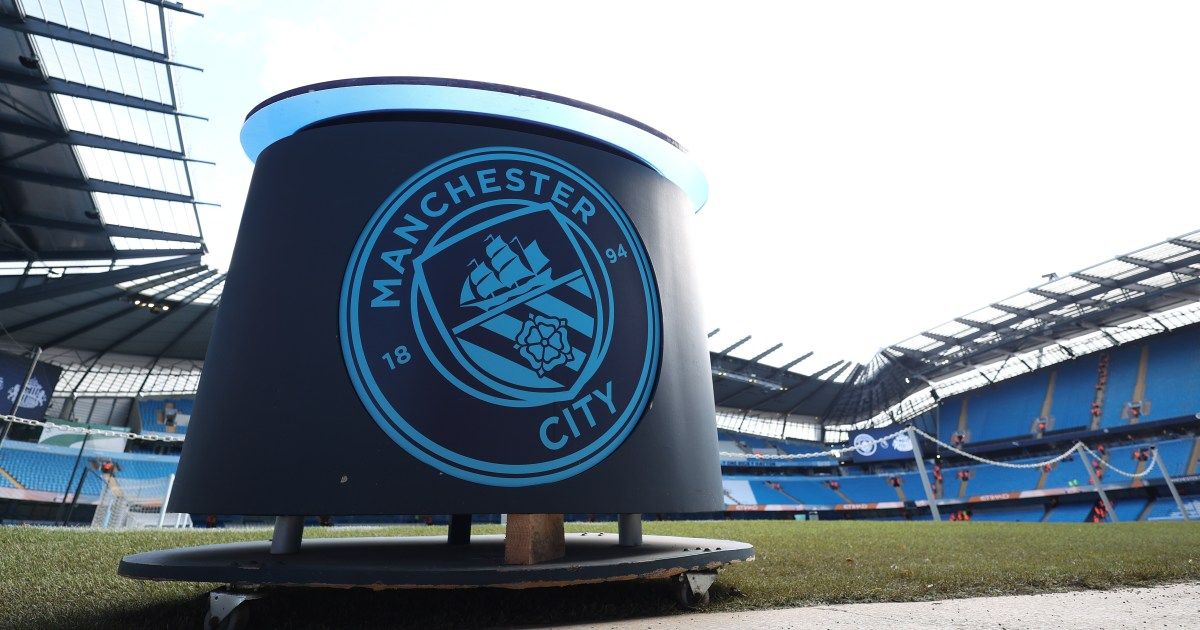
In a landmark legal and regulatory development that has sent shockwaves through the upper echelons of global sport and international commerce, Manchester City has reportedly been found guilty of all but one of the 115 alleged breaches of the Premier League's stringent financial rules, according to reports by The Athletic. The verdict concludes a protracted and highly contentious legal battle that scrutinized the club's financial operations over a multi-year period. At the heart of the case were complex allegations concerning the accurate reporting of financial revenues, sponsorship valuations, and managerial remuneration packages dating back to 2009. The unprecedented scale of the charges transformed what would traditionally be viewed as a domestic sporting infractions inquiry into a complex geopolitical and corporate governance test case. The proceedings have closely examined the intricate financial architectures underpinning contemporary elite sports clubs, particularly those tied to sovereign wealth and state-linked ownership models from the Gulf region. As international regulators increasingly turn their attention to transparency in transnational investments, this ruling establishes a formidable precedent for the enforcement of financial fair play regulations across borders.
Global Trade & Economic Ripples
Beyond the immediate sporting ramifications, the ruling carries profound implications for global commercial markets, cross-border sponsorship valuations, and the broader economics of elite football. Manchester City, operating as the flagship asset of the Abu Dhabi-backed City Football Group, sits at the nexus of a vast global network of commercial partnerships, media rights, and transnational capital flows. The anticipated sanctions—ranging from historic points deductions to potential relegation or substantial financial penalties—threaten to disrupt the commercial valuation of the club and its extensive portfolio of international sponsors. In broader macroeconomic terms, the verdict signals a tightening regulatory environment for foreign direct investment in European cultural and sporting assets. Sovereign investors and multinational corporations must now navigate a landscape where regulatory compliance, transparent revenue disclosure, and strict adherence to governance frameworks are paramount. This shift could recalibrate the flow of international capital into the sports entertainment sector, prompting a re-evaluation of risk-management strategies among institutional investors and luxury brand partners alike.
Related Intelligence: Pope Leo Visits France Amid Church and State Tensions
International Reactions & Diplomatic Stances
Financial analysts, sports economists, and international governance experts have offered varied assessments of the ruling, reflecting deep divisions over the future of regulatory oversight in professional sports. Market analysts note that while the Premier League has demonstrated its institutional capacity to police its member clubs, the prolonged nature of the investigation has exposed vulnerabilities in the current governance architecture. International bodies and sports law experts have pointed out that the verdict highlights the growing tension between traditional European sporting values and the influx of modern, state-backed capital. Concurrently, legal observers emphasize that the ruling will likely trigger a wave of appeals, protracted litigation, and intense diplomatic scrutiny. The case has become a focal point in broader discussions surrounding economic fairness, market dominance, and the regulatory autonomy of sports leagues operating within globalized commercial ecosystems.
Strategic Outlook & Future Scenarios
Looking ahead, the fallout from the Manchester City verdict is expected to reverberate across international sports administration and commercial strategy for years to come. Upcoming summits of European football stakeholders and regulatory authorities will likely use this case as a blueprint for reforming financial oversight mechanisms, potentially introducing stricter independent auditing requirements and automated compliance tracking. Furthermore, the decision may embolden lawmakers and regulators in other jurisdictions to scrutinize foreign investments in domestic entertainment and sports sectors more aggressively. As clubs and investors adapt to this new paradigm of heightened accountability, the strategic landscape of global football will demand unprecedented transparency, fundamentally altering how elite organizations structure their commercial partnerships and financial portfolios in an increasingly regulated international marketplace.
Join Our Official WhatsApp Channel
Receive live commodity alerts, policy changes, and commercial intelligence directly on WhatsApp.