
State-Backed Sports Investments Under Scrutiny Amid Manchester City Financial Fair Play Inquiry
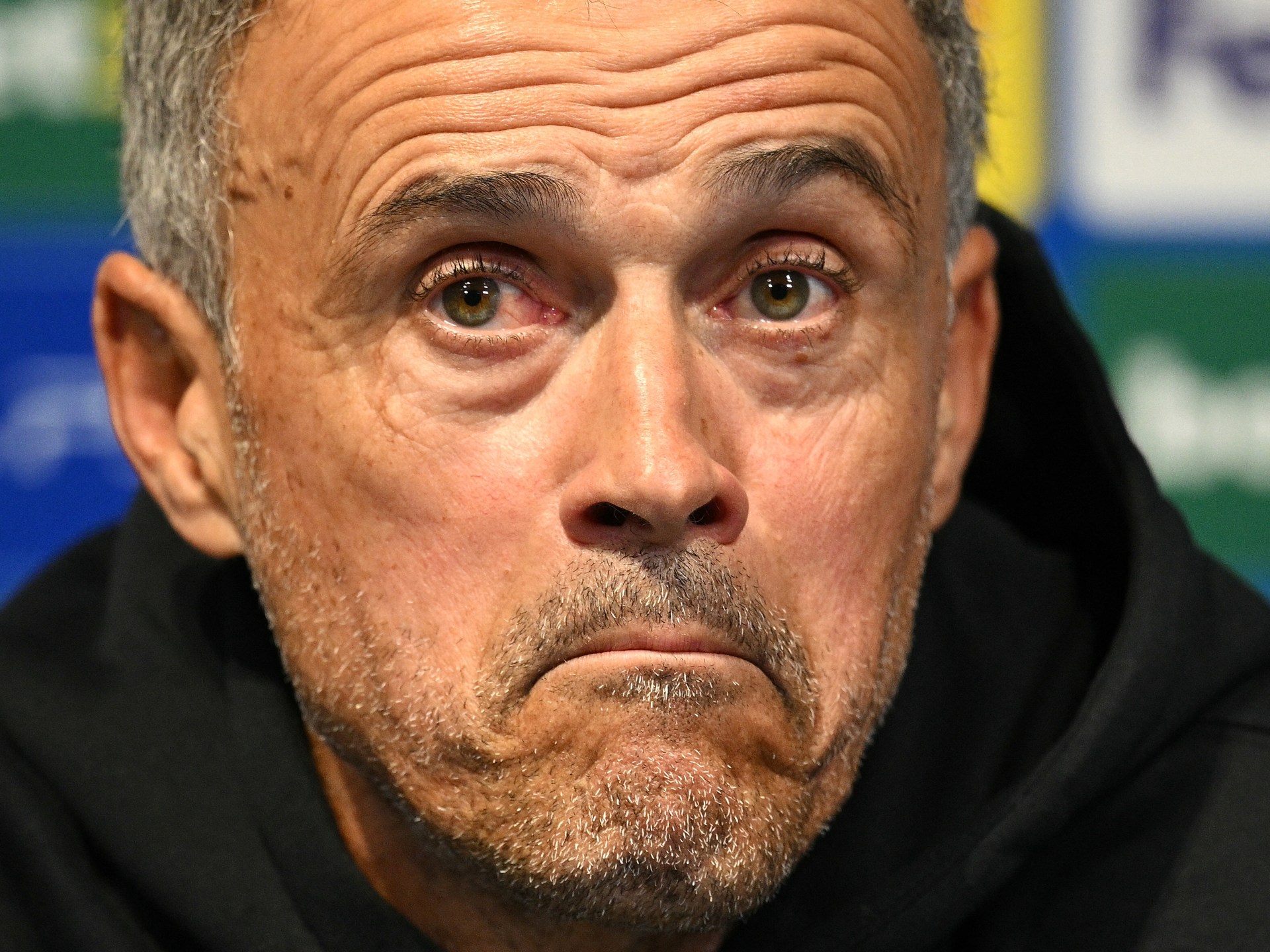
Paris Saint-Germain manager Luis Enrique has defended Manchester City against potential title stripping, spotlighting the heightened regulatory scrutiny surrounding Gulf state-backed capital in international sports infrastructure.
Geopolitical & Core Developments
The ongoing independent hearing into Manchester City's alleged 115 breaches of Premier League financial regulations has expanded beyond domestic sports governance into a strategic flashpoint for international capital deployment. Paris Saint-Germain manager Luis Enrique publicly voiced support for his counterpart Pep Guardiola, arguing that Manchester City deserves to retain its contested silverware regardless of the regulatory verdict. While presented as personal solidarity between elite managers, the commentary underscores the deep alignment between institutions financed by rival Arabian Gulf sovereign wealth entities.
Manchester City, acquired in 2008 by the Abu Dhabi United Group under Sheikh Mansour bin Zayed Al Nahyan, represents the vanguard of the United Arab Emirates' soft power diversification strategy. Similarly, Paris Saint-Germain operates under the ownership of Qatar Sports Investments, an arm of the Qatar Investment Authority. Over the past decade and a half, both sovereign entities have deployed billions of dollars into European sports ecosystems, transforming peripheral clubs into global institutional powerhouses. The Premier League charges, which allege systemic misrepresentation of financial revenue, sponsorship income, and operating costs across a nine-year period, represent the most significant institutional challenge to state-backed investment vehicles operating within Western sporting jurisdictions.
Global Trade & Economic Ripples
The commercial implications of the inquiry extend into media valuation models, cross-border sponsorship agreements, and international foreign direct investment channels. The Premier League's international television rights, valued at over £10 billion ($12.8 billion) for the current multi-year cycle, rely heavily on market demand across the Middle East, North America, and East Asia. Any structural penalty that results in the relegation or substantive competitive dilution of Manchester City risks depressing media rights auctions in lucrative overseas territories.
Furthermore, the case tests the regulatory viability of intra-group commercial transactions. Sponsorship deals tied to sovereign-linked entities—such as Etihad Airways, Etisalat, and regional investment funds—face rigorous scrutiny over fair market value definitions. A precedent establishing strict legal caps or punitive penalties on sovereign-adjacent commercial sponsorship could chill broader foreign capital allocations into European commercial real estate, logistics, and entertainment infrastructure. Investors are closely monitoring whether UK regulatory frameworks will increasingly treat sovereign-linked enterprise financing through the lens of protectionist oversight or legal neutrality.
Related Intelligence: Arsenal Defeat Lille 3-0 as European Sports Economy Accelerates
International Reactions & Diplomatic Stances
While sporting tribunals maintain procedural independence, the geopolitical sensitivities surrounding the case have attracted the attention of diplomatic corridors. Official correspondence previously obtained under UK Freedom of Information requests revealed that British diplomats had previously discussed the Premier League’s investigation with UAE counterparts, underscoring the delicate diplomatic balance between domestic regulatory autonomy and key trade partnerships. Bilateral commercial exchanges between the United Kingdom and the UAE reached historic highs in 2023, bolstered by sovereign investment agreements focusing on renewable energy, advanced technology, and domestic infrastructure.
Legal analysts and commercial governance bodies emphasize that stripping Manchester City of previously awarded titles would set an unprecedented legal hazard for long-term commercial assets. In contrast, critics and rival European executives contend that failure to enforce systemic accountability would compromise the competitive integrity of cross-border leagues, alienating conventional private equity investors who operate without direct state underwriting.
Strategic Outlook & Future Scenarios
The outcome of the independent commission, anticipated in early 2025, presents several divergent trajectories for cross-border investments. A full exoneration of Manchester City would validate the current architecture of multi-club ownership and sovereign-linked sponsorship, paving the way for intensified Gulf capital deployment across global athletics and entertainment platforms.
Conversely, severe structural penalties—ranging from an unprecedented points deduction to involuntary expulsion and title revocation—would trigger extensive litigation in international arbitration courts, including the Court of Arbitration for Sport. Such a rupture would accelerate calls from sovereign wealth funds to establish alternative, non-European competitive frameworks, potentially destabilizing traditional transatlantic governing bodies and reshaping the global commercial architecture of elite international sports.
Join Our Official WhatsApp Channel
Receive live commodity alerts, policy changes, and commercial intelligence directly on WhatsApp.