
Lahore High Court Halts Expulsion Directive Targeting Afghan Medical Students
The Lahore High Court extended its interim injunction halting the PMDC directive that mandated the expulsion of Afghan medical students, granting regulatory authorities additional time to submit formal legal replies.
The Core Development
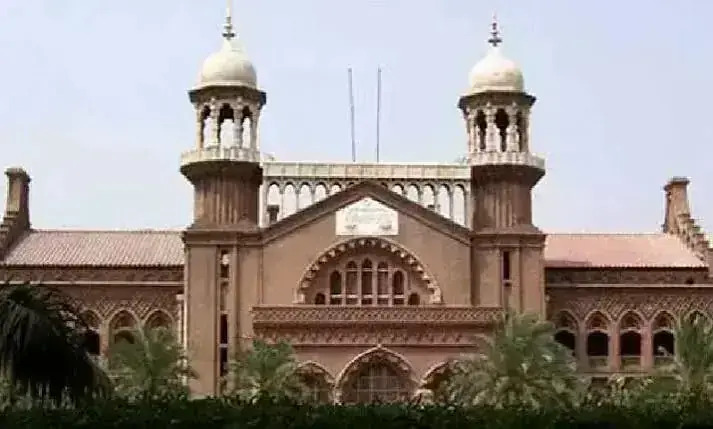
The Lahore High Court (LHC) has extended an interim injunction restraining the Pakistan Medical and Dental Council (PMDC) from enforcing its directive that mandated Afghan medical students to immediately exit Pakistan. The judicial order came during formal court proceedings where legal representatives for the apex medical regulator and provincial academic institutions requested additional time to compile and submit comprehensive counter-affidavits.
The contentious legal battle originated from a formal notification issued by the PMDC on September 1, which instructed all public and private medical and dental colleges nationwide to facilitate the repatriation of Afghan-origin students to their home country. The regulatory directive simultaneously instituted a blanket prohibition barring medical and dental colleges from granting admissions or clinical placements to Afghan nationals for the ongoing academic cycle. In response, a joint constitutional petition was filed by 13 Afghan students enrolled across prestigious institutions, including Lahore's historic King Edward Medical University (KEMU). The petitioners contended that the administrative diktat abruptly disrupted their academic progression midway, infringed upon their legitimate contractual expectations, and violated baseline legal doctrines of natural justice and due process.
Commercial & Economic Implications
Beyond its acute legal and humanitarian dimensions, the regulatory clampdown carries pronounced implications for Pakistan's higher education economy and localized commercial ecosystems. Over the last two decades, Pakistan has served as a regional center for professional healthcare training, hosting thousands of international scholars who generate sustained revenue streams for tertiary academic bodies via direct tuition disbursements, clinical laboratory fees, and institutional charges.
In university-dense urban centers, particularly within Lahore, Peshawar, and Islamabad, foreign student cohorts stimulate vital micro-economic activity. Local real estate rental markets, commercial food service operators, wholesale stationery distributors, and private transport vendors depend noticeably on the sustained consumption expenditure generated by cross-border scholars. The abrupt cancellation of institutional placements threatens institutional budget allocations for institutions that factor multi-year foreign fee revenues into operational planning. Furthermore, sudden shifts in regulatory posture risk degrading Pakistan's international trade in educational services, dampening service-export potential and curtailing non-debt foreign exchange liquidity inflows at a critical juncture for domestic balance-of-payments management.
Related Intelligence: Deadly Blast at Kohat Police Lines Heightens Security and Economic Concerns
Stakeholder Perspectives & Market Reactions
Legal counsel representing the petitioners have argued that retroactive policy revisions unfairly penalize individuals who secured admission through formal bilateral quota frameworks and lawful private admission pipelines. They maintain that rescinding clinical access mere semesters before degree completion invalidates substantial human and financial capital investments. Legal advocates emphasize that the rule of law necessitates regulatory continuity, shielding enrolled students from sudden geopolitical policy recalibrations.
Conversely, legal representatives for the PMDC and executive administrative bodies have framed the decision as a measure designed to harmonize higher education operations with overarching federal directives concerning undocumented foreign nationals and border control integrity. However, senior administrative officials at major medical institutions have expressed operational concerns over mid-session academic disruptions and downstream institutional liabilities. Academic faculty and economic analysts observe that dismantling healthcare educational linkages weakens Pakistan's commercial soft power and regional cross-border goodwill. Domestic business associations and chambers of commerce have likewise observed that unpredictable regulatory interventions create operational unpredictability, hindering broader cross-border trade, investment, and bilateral service cooperation.
Forward Outlook & Key Watchpoints
The trajectory of this regulatory dispute now pivots to upcoming LHC proceedings, where the PMDC and tertiary educational institutions must substantiate the legal merits of the contested notification. Legal observers and institutional administrators are closely tracking whether the judiciary moves toward a permanent nullification of the directive or prompts the executive to delineate a phased, grandfathered compliance mechanism for currently enrolled students.
Key watchpoints include whether the Ministry of National Health Services, Regulations and Coordination intervenes alongside the Ministry of Foreign Affairs to establish tailored student residency exemptions. Observers must also assess whether broader deportation mechanisms enforced by the Ministry of Interior will continue to press for blanket repatriation without academic exemptions. The eventual judicial outcome will establish a consequential precedent concerning whether regulatory oversight authorities can retroactively annul valid professional academic tenures in response to external policy developments.
Join Our Official WhatsApp Channel
Receive live commodity alerts, policy changes, and commercial intelligence directly on WhatsApp.