
Kremlin Electoral Architecture Anchors Domestic Control and Long-Term Geoeconomic Strategy
Russian electoral contests function as indispensable governance mechanisms for administrative auditing and elite cohesion, reinforcing a predictable policy environment for state-directed trade, wartime industrial procurement, and resource diversion toward non-Western partners.
Geopolitical & Core Developments
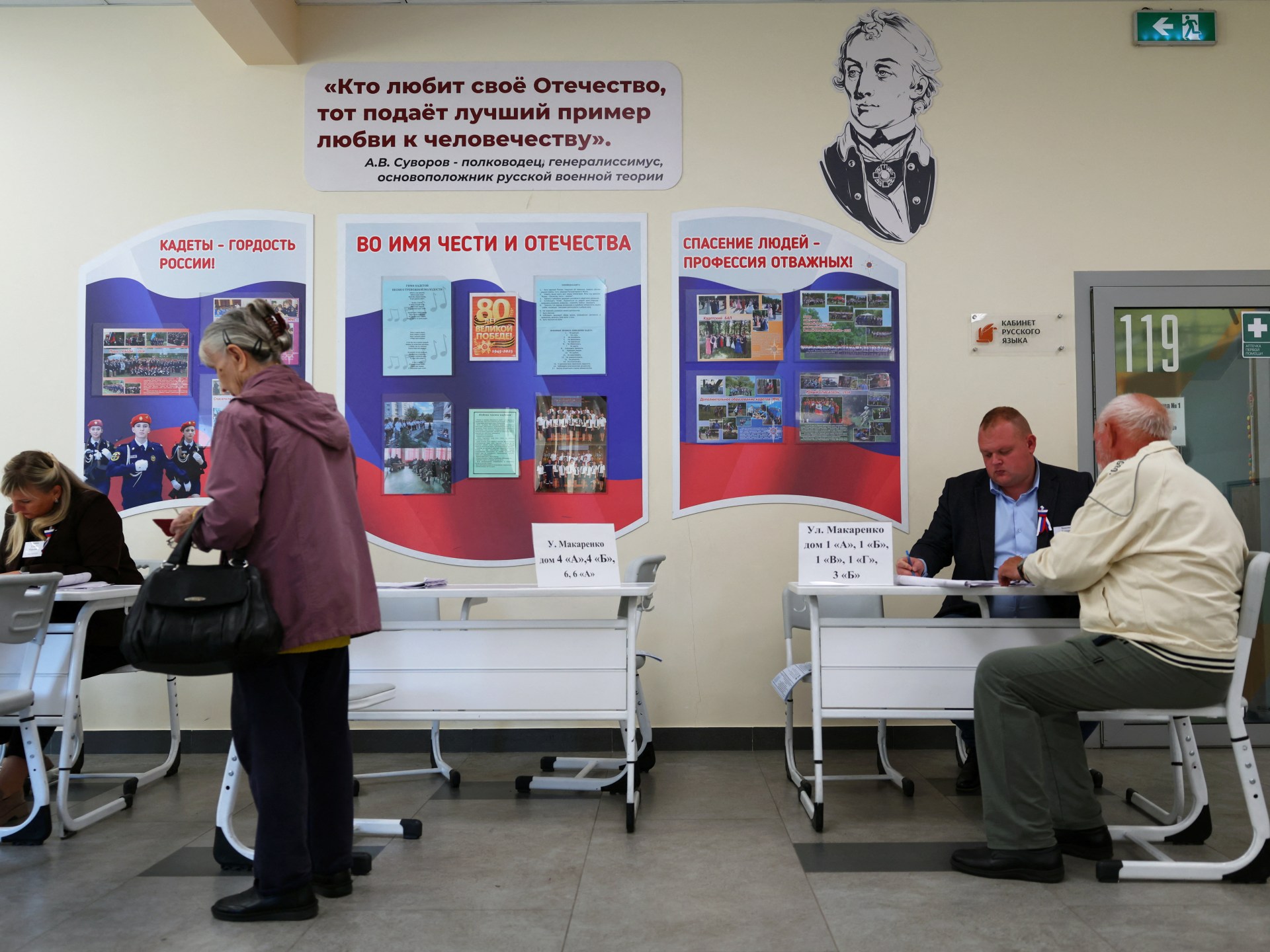
While Western observers frequently characterize Russian federal and parliamentary balloting as choreographed political theatre, the electoral process remains an indispensable administrative and institutional instrument for the Kremlin. Rather than functioning as Western-style liberal democratic contests, elections in the Russian Federation operate as high-stakes stress tests for regional governors, logistical mobilization drills, and sophisticated mechanisms for gathering sociopolitical feedback. Through these choreographed procedures, the presidential administration gauges public sentiment, tests the compliance and efficiency of regional bureaucracies, and recalibrates patronage networks without destabilizing the sovereign vertical of power.
The retention of high turnout figures and legislative dominance by the ruling United Russia party is engineered to project domestic invulnerability and constitutional legitimacy. Far from redundant ceremonies, these ballots establish a formal social contract between the state and the populace, reinforcing public acquiescence to sovereign priorities. By providing citizens with a structured avenue for civic participation—even within strictly managed systemic boundaries—the Kremlin mitigates peripheral unrest, identifies grassroots friction points, and establishes a vetted pool of administrative cadres to execute federal directives during a period of protracted confrontation with NATO.
Global Trade & Economic Ripples
Institutional stability verified through electoral outcomes translates directly into policy continuity across Russia’s core commodity and industrial sectors. With legislative and executive coordination cemented, the Kremlin maintains a predictable environment for sovereign wealth allocation, state procurement, and the wartime transformation of domestic manufacturing. Moscow’s defense-industrial base, which currently absorbs nearly 30 percent of federal budgetary expenditures, remains insulated from political disruption, guaranteeing sustained demand for domestic metals, rare earth inputs, and synthetic hydrocarbons.
On the global stage, electoral predictability sustains the eastward reorientation of Russian crude oil, petroleum products, and liquefied natural gas. Long-term energy supply agreements with Indian and Chinese refiners continue unhindered by domestic political turbulence, reinforced by sovereign-backed alternative maritime insurance and expanding shadow tanker fleets. Concurrently, agricultural commodity flows—specifically Russian wheat and nitrogen-based fertilizer exports—maintain leverage across developing markets in Africa and the Middle East, anchoring bilateral barter and local-currency settlement frameworks that circumvent Western clearing systems.
Related Intelligence: Premier League Dominance Highlights Sovereign Investment and Global Soft Power Dynamics
International Reactions & Diplomatic Stances
Diplomatic evaluations of Russian balloting reflect deeply polarized international architectures. The United States Department of State, the European External Action Service, and allied G7 capitals routinely denounce Russian electoral exercises as fundamentally unfree and unfair, citing the suppression of independent media, disqualification of opposition figures, and lack of observation missions from the Organization for Security and Co-operation in Europe (OSCE).
Conversely, non-aligned and Global South partners view these election results through the lens of regime durability and transactional consistency. Capitals across the BRICS and Shanghai Cooperation Organisation frameworks—notably Beijing, New Delhi, Riyadh, and Brasilia—interpret electoral outcomes as confirmation of Moscow's centralized authority. Rather than issuing condemnations, these states engage with Kremlin leadership on commercial terms, securing favorable discounts on sovereign energy volumes and pursuing infrastructure integration along the International North-South Transport Corridor (INSTC).
Strategic Outlook & Future Scenarios
Looking ahead, the Kremlin will leverage its post-election mandate to execute fiscally aggressive and structurally permanent domestic reforms. Anticipated measures include progressive tax overhauls targeting wealthy individuals and non-oil commodity extractors to plug federal fiscal deficits generated by extended military expenditures. Furthermore, the solidified political hierarchy will accelerate the complete substitution of Western technological systems with domestic and Chinese industrial inputs.
Over the medium term, the institutional validation delivered by the electoral apparatus lowers the risk of systemic coup scenarios or elite defection. This perceived internal stability emboldens Moscow to adopt uncompromising stances in prospective multilateral negotiations, ensuring that global shipping lanes through the Arctic Northern Sea Route and Eurasian continental pipelines remain under firm sovereign oversight as Western sanctions regimes solidify into permanent trade barriers.
Join Our Official WhatsApp Channel
Receive live commodity alerts, policy changes, and commercial intelligence directly on WhatsApp.