
Geopolitical Tensions Cast Shadow Over International Fixtures and Trade
Escalating geopolitical friction between Israel and European states has forced neutral venues for international fixtures, highlighting broader commercial and diplomatic ramifications across global markets.
Geopolitical & Core Developments
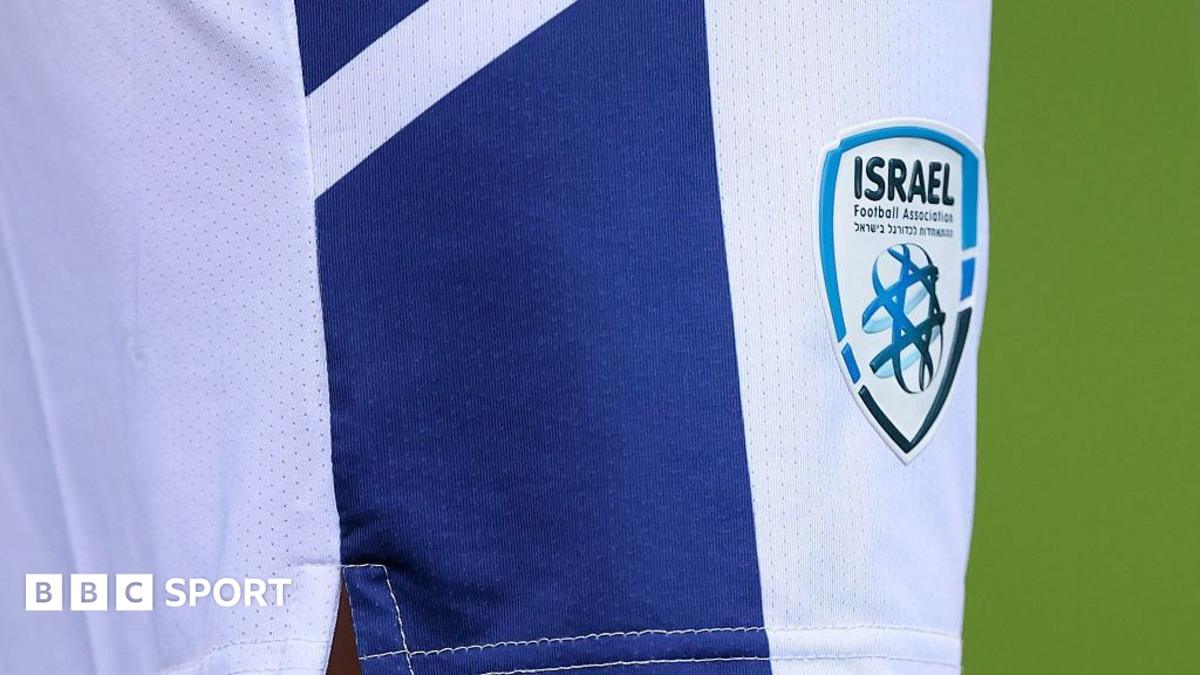
The decision to host international fixtures between Israel and the Republic of Ireland at neutral venues without away fans underscores the deep diplomatic chasm that has emerged from ongoing Middle Eastern conflicts. What began as sporting diplomacy has rapidly escalated into a wider cultural and political flashpoint, reflecting deteriorating state-to-state relations across Europe and the Levant. State actors have increasingly utilized diplomatic channels to voice dissent over military strategies, leading to unprecedented security protocols for athletic delegations. This environment of heightened tension illustrates how modern geopolitics permeates traditionally non-political arenas, forcing governing bodies to navigate complex security assessments, boycott threats, and intense public scrutiny.
[Global Trade](/news/london-fashion-week-repositions-beyond-uk-borders-amid-global-trade-shifts) & Economic Ripples
Beyond the athletic sphere, the persistent instability in the Middle East continues to send shockwaves through global trade networks and commodity markets. Key maritime chokepoints in the Eastern Mediterranean and surrounding regions remain vulnerable to strategic realignments and security threats, directly impacting maritime insurance premiums and shipping lane efficiencies. Energy markets remain acutely sensitive to any regional escalation, with crude oil and natural gas pricing fluctuating in response to shifting diplomatic postures. Multinational corporations operating within the Levant face mounting compliance challenges, supply chain disruptions, and currency volatility, forcing risk management teams to recalibrate long-term capital allocation and logistics strategies.
Related Intelligence: Middle East Tensions Threaten Global Trade and Commodity Markets
International Reactions & Diplomatic Stances
The international community remains sharply divided over the appropriate response to the diplomatic freeze between Israel and various European capitals. The United Nations has repeatedly called for de-escalation across all diplomatic and cultural fronts, emphasizing the importance of maintaining open channels of dialogue. Meanwhile, European Union member states exhibit a fractured approach; while some governments advocate for stricter conditionality on bilateral engagements, others prioritize strategic security alliances. Market analysts and geopolitical risk consultancies warn that prolonged diplomatic estrangement risks hardening trade barriers and inhibiting multilateral cooperation on critical regional security frameworks.
Strategic Outlook & Future Scenarios
Looking ahead, the trajectory of relations between Israel and European nations points toward sustained friction, with upcoming diplomatic summits expected to feature contentious debates over sanctions, trade agreements, and cultural exchanges. Analysts suggest that unless a comprehensive diplomatic breakthrough occurs, the precedent of utilizing neutral venues may extend to other competitive sectors, isolating commercial and institutional partnerships. Businesses and investors are advised to closely monitor upcoming multilateral summits and regulatory shifts, as further geopolitical escalation could trigger sudden supply chain realignments and heightened market volatility across the Euro-Mediterranean corridor.
Join Our Official WhatsApp Channel
Receive live commodity alerts, policy changes, and commercial intelligence directly on WhatsApp.