
Ivory Coast Accelerates Climate-Resilient Cocoa Research to Protect Global Supply
Ivory Coast is deploying agricultural research to develop climate-resilient cocoa varieties as irregular weather patterns threaten global bean yields, risking structural supply shortages and downstream inflationary pressures across emerging markets.
The Core Development
Ivory Coast, the world's leading cocoa producer responsible for nearly 40 percent of aggregate global output, has initiated intensive agricultural interventions to counter erratic climate patterns threatening bean cultivation. Smallholder farmers across major agricultural hubs have reported deteriorating plantation yields as seasonal rainfall becomes increasingly unpredictable and scarce. Cocoa remains the foundational bedrock of the Ivorian economy, generating approximately 15 percent of gross domestic product and sustaining direct livelihoods for roughly five million citizens in a population exceeding 33 million.
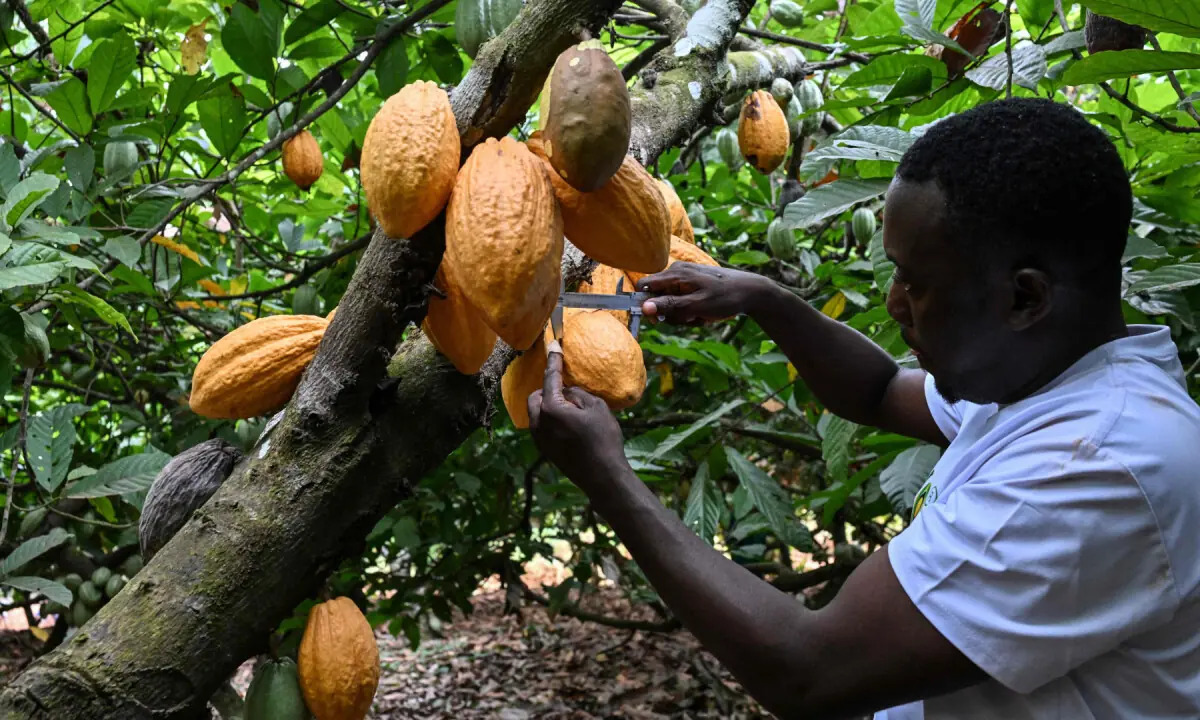
In response to mounting harvest volatility, agricultural institutions including the National Centre for Agronomic Research (CNRA) have stepped up testing on drought-resilient and heat-tolerant cocoa plant varieties. Field agronomists operating research stations near Divo are measuring structural pod development under controlled stress conditions to isolate genetics capable of sustaining output despite rising temperatures. The broader initiative aims to distribute climate-tough hybrid seedlings to commercial plantations before prolonged droughts inflict permanent degradation on west Africa's productive agricultural belts.
Commercial & Economic Implications
The climate vulnerability of Ivorian agriculture carries immediate consequences for global confectionary supply chains, with direct transmission channels into import-reliant markets like Pakistan. As a net importer of cocoa derivatives, industrial chocolate compounds, and cocoa butter, Pakistan's food manufacturing sector remains exposed to raw material pricing shifts originating in West Africa. Escalating production constraints in primary supply zones tend to trigger severe rallies on international commodity exchanges, including ICE Europe and US cocoa futures.
For Pakistani domestic manufacturers, elevated import parity pricing amplifies landed input costs, compounded by currency volatility and structural freight rate increases. Wholesale confectionery distributors and commercial bakeries are increasingly forced to adjust retail pricing or reformulate product lines using non-cocoa vegetable fat substitutes to protect operating margins. Given prevailing domestic consumer inflation, downstream price hikes threaten to compress retail transaction volumes for non-essential packaged goods across urban retail networks.
Related Intelligence: Starshield Satellite Controls Reshape Geopolitical Security and Defense Supply Chains
Stakeholder Perspectives & Market Reactions
Global confectionery conglomerates and international trade bodies have voiced urgent support for upstream scientific research, noting that structural supply deficits cannot be bridged through inventory management alone. Commodity analysts highlight that years of underinvestment in agronomic adaptation have left West African producers uniquely exposed to weather anomalies, which in turn fuels extreme price volatility in forward contracts.
In Pakistan, industrial processors and confectionary trade representatives have urged commercial importers to explore diversified supply originations and enhance contractual hedging against volatile import prices. Industry executives caution that prolonged production shortfalls in Ivory Coast will disproportionately penalize emerging-market manufacturers who operate with tighter working capital constraints and limited pricing power over local retail consumers.
Forward Outlook & Key Watchpoints
The rollout of climate-tough cocoa varieties will depend heavily on state-level distribution capacity, seed subsidy programs, and smallholder adoption over the coming agricultural cycles. Agricultural scientists emphasize that mature yield transitions require multiple years, meaning near-term supply tightness will persist whenever seasonal rainfall underperforms historical benchmarks.
Key watchpoints for global traders and Pakistani procurement managers include upcoming mid-crop harvest tallies, official farmgate pricing adjustments set by regulatory boards, and quarterly export arrivals at major ports like Abidjan and San Pedro. Prolonged supply tightness will continue to test the financial resilience of downstream processors and sustain elevated pricing across the broader confectionery supply chain.
Join Our Official WhatsApp Channel
Receive live commodity alerts, policy changes, and commercial intelligence directly on WhatsApp.