
Italy Unveils Controversial Electoral Bill Overhaul Amid Democratic Backlash
Italy's proposed electoral reform introduces majority bonus seats to secure governance, sparking intense democratic debate and scrutiny from international financial markets.
Geopolitical & Core Developments
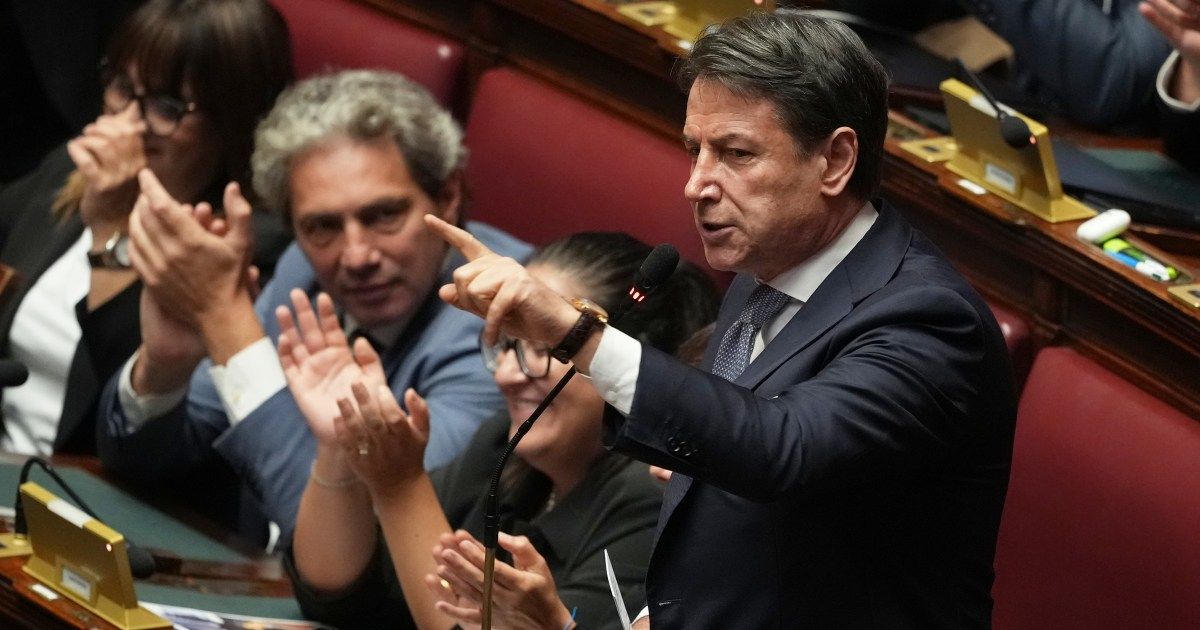
The Italian government has advanced a contentious constitutional and electoral reform package designed to fundamentally alter the nation's political landscape. At the heart of the legislation is a guaranteed 'majority bonus' mechanism, which would automatically award a significant proportion of parliamentary seats to the winning coalition. Proponents within the administration argue that this structural shift is vital for overcoming decades of chronic political instability, short-lived administrations, and legislative paralysis that have historically plagued Rome. By ensuring a decisive legislative majority, the ruling coalition aims to project state strength and policy continuity.
However, the move has triggered a ferocious domestic and constitutional backlash. Opposition leaders, legal scholars, and civil rights advocates contend that the bonus mechanism artificially distorts the popular vote, potentially granting a governing alliance disproportionate and unchecked legislative power. Critics draw alarming parallels to historical authoritarian precedents in Europe, warning that bypassing proportional representation undermines the foundational principles of post-war Italian democracy. The legislative battleground now shifts to parliament, where protracted procedural delays, constitutional challenges, and nationwide protests are widely anticipated.
Global Trade & Economic Ripples
While ostensibly an internal domestic reform, the Italian electoral overhaul carries substantial weight for international trade, eurozone stability, and global financial markets. Italy represents the third-largest economy within the eurozone, holding a massive sovereign debt burden that is closely monitored by international credit rating agencies, the European Central Bank, and global investors. Political stability in Rome is viewed by commodity traders and currency markets as a critical anchor for regional economic predictability.
Financial analysts note that while a strong, stable government could theoretically accelerate structural economic reforms, tax harmonization, and infrastructure spending, a polarized political environment risks undermining investor confidence. Any perceived erosion of democratic norms or institutional checks can trigger widening sovereign bond yield spreads—specifically the closely watched gap between Italian and German ten-year bonds. Such financial volatility directly impacts European banking sector valuations, cross-border capital flows, and broader European Union fiscal integration efforts, ultimately echoing across global debt and equity markets.
Related Intelligence: Judicial Dynamics and Institutional Friction in Pakistan's Superior Courts
International Reactions & Diplomatic Stances
International bodies and foreign governments have begun monitoring the legislative process with cautious discretion. European Union officials in Brussels have emphasized the importance of adhering to democratic standards and the rule of law, though formal intervention in member-state electoral laws remains legally constrained. Bilateral partners across the transatlantic alliance are observing whether Rome's domestic political maneuverings will distract from its commitments to broader European security frameworks, NATO defense spending benchmarks, and coordinated diplomatic stances on global geopolitical crises.
Meanwhile, international credit rating agencies and global banking institutions have issued preliminary analytical briefings. These reports underscore that foreign direct investment into Italy relies heavily on institutional predictability. Multilateral economic organizations stress that any weakening of parliamentary oversight could complicate future negotiations regarding EU post-pandemic recovery fund disbursements and compliance with strict fiscal deficit targets.
Strategic Outlook & Future Scenarios
As the electoral reform bill navigates the legislative pipeline, several distinct strategic scenarios emerge for Italy and its international partners. In the primary bullish scenario, the government successfully passes the legislation, survives subsequent constitutional court scrutiny, and delivers stable governance that streamlines national economic modernization. This outcome would reassure foreign investors and cement Italy's leadership role within Mediterranean and European geopolitics.
Conversely, a protracted constitutional crisis, intense social unrest, or a successful legal challenge could destabilize the current administration. Such turmoil would paralyze legislative output, spook international debt markets, and renew global skepticism regarding the governability of southern Europe. Upcoming parliamentary debates and regional political summits will serve as critical indicators of whether Italy's bold democratic gamble will yield lasting stability or deepen national fractures.
Join Our Official WhatsApp Channel
Receive live commodity alerts, policy changes, and commercial intelligence directly on WhatsApp.