
Italy Authorizes Troop Deployment to Milan Amid Escalating Civil Unrest
Italy has approved sweeping security decrees and deployed 500 military personnel to Milan following severe civil unrest, raising international scrutiny over domestic stability and European civil liberties.
Geopolitical & Core Developments
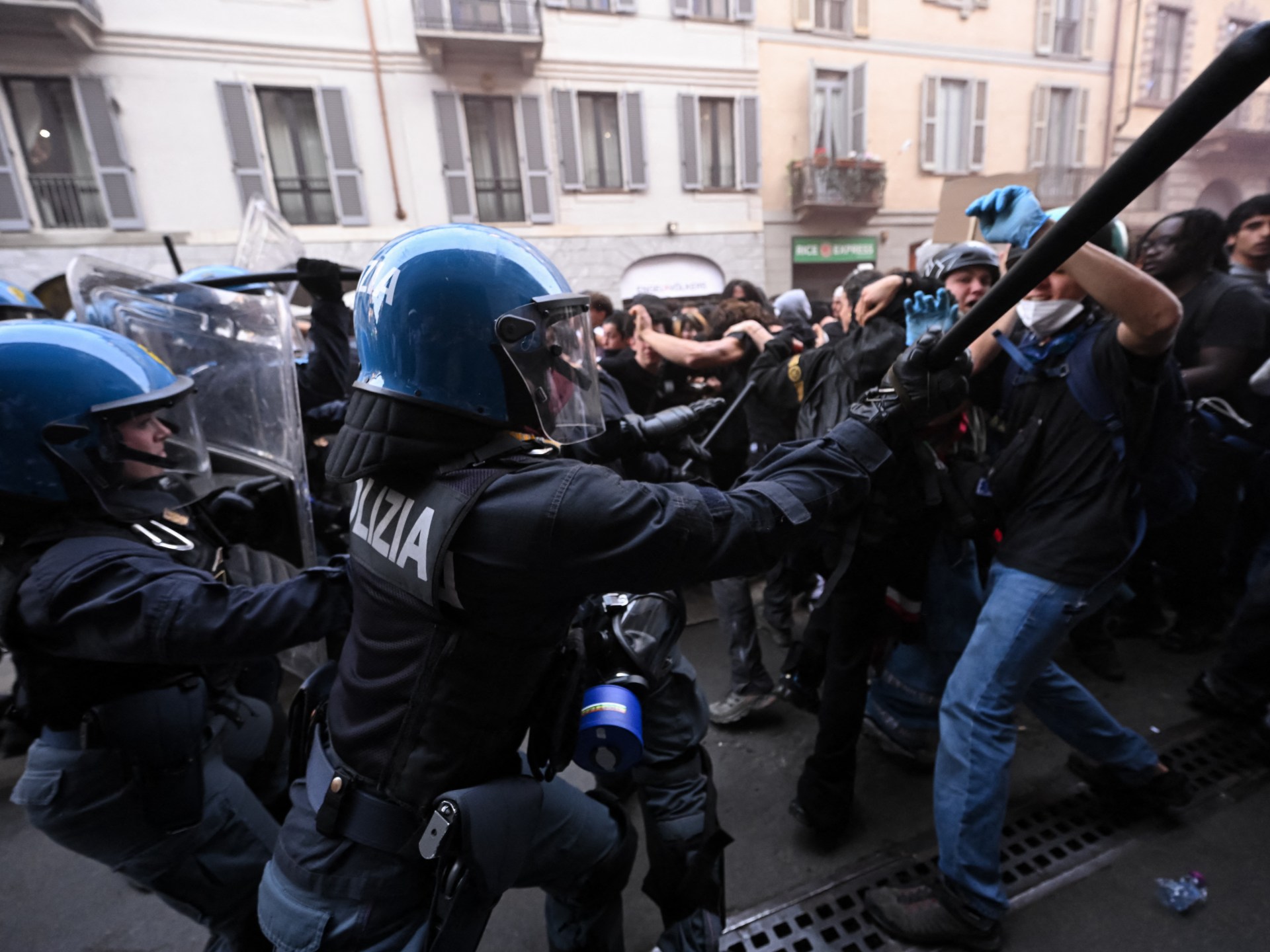
The Italian government led by Prime Minister Giorgia Meloni has authorized an emergency deployment of 500 military personnel to Milan, following days of intense confrontations between demonstrator coalitions and law enforcement. The security intervention comes as part of a sweeping package of legislative measures designed to suppress unauthorized assemblies, expand executive policing powers, and stiffen criminal penalties for civil disobedience. The clashes, which originated from a convergence of socioeconomic grievances, labor union strikes, and pro-Palestinian demonstrations, culminated in property damage and direct confrontations with riot police in the country's commercial heartland.
The deployment utilizes the longstanding 'Operazione Strade Sicure' (Operation Safe Streets) framework, traditionally utilized for counterterrorism and border surveillance, pivoting military capabilities toward internal public order management. Interior Minister Matteo Piantedosi stated that the measures were vital to re-establish public order, safeguard critical infrastructure, and shield citizens from extremist elements. However, human rights monitoring groups and opposition leaders have criticized the move as a dangerous escalation toward state securitization, pointing out that utilizing standing armed forces for domestic protest mitigation sets a destabilizing precedent within the European Union's third-largest economy.
[Global Trade](/news/us-midterm-elections-geopolitical-impact-global-trade) & Economic Ripples
Milan functions as Italy's financial engine and a central logistics hub connecting southern Europe to northern commercial corridors. Disruptions to transit networks, including blockades targeting major rail hubs and peripheral highways, have prompted logistical bottlenecks across northern Italy. International supply chains dependent on the Po Valley industrial basin—particularly precision machinery, automotive manufacturing components, and chemical outputs—face transit delays, complicating cross-border freight moving through Switzerland and Austria.
Financial markets registered modest volatility following the announcement, with yields on Italian 10-year sovereign bonds (BTPs) edging slightly higher relative to German Bunds, reflecting persistent investor sensitivity toward political fragmentation within the Eurozone periphery. While energy transit infrastructure remains unimpeded, commercial insurers have begun re-evaluating risk premiums for commercial real estate and intermodal shipping infrastructure in high-density Italian urban zones. European retailers and industrial operators are closely monitoring labor actions, as persistent unrest could trigger wider transport sector wildcat strikes across the continent.
Related Intelligence: US Midterm Stakes Reshape Geopolitical Outlook and Global Trade Trajectory
International Reactions & Diplomatic Stances
The security decree and troop deployment have attracted scrutiny from international organizations and civil liberties groups. The United Nations Special Rapporteur on the rights to freedom of peaceful assembly expressed preliminary concern regarding the breadth of the decree's punitive measures, particularly clauses that criminalize peaceful infrastructure blockades and elevate penalties for civil disobedience. European Union institutions in Brussels have maintained a cautious diplomatic stance, emphasizing that internal security decisions remain under national jurisdiction while underscoring adherence to the EU Charter of Fundamental Rights.
Domestically, Italy's major labor syndicates, including the Italian General Confederation of Labour (CGIL), have condemned the military mobilization, framing it as an authoritarian maneuver intended to stifle legitimate economic grievances during national collective bargaining cycles. Conversely, conservative international observers have praised Rome's decisive stance, arguing that sovereign states must maintain public order against increasingly militant civil movements that threaten commercial continuity.
Strategic Outlook & Future Scenarios
The strategic trajectory of Italy's internal security architecture points toward intensified polarization. In the near term, the deployment of 500 troops in Milan is expected to secure major railway corridors, airports, and commercial centers, dampening large-scale civil disruption through elevated deterrence. However, sociological analysis suggests the presence of militarized units in metropolitan centers could catalyze retaliatory actions by student and labor coalitions, leading to asymmetric confrontations and spontaneous localized walkouts.
Looking ahead, the operational success of the Milan intervention will serve as a bellwether for potential military deployments across other major Italian metropolitan centers, notably Rome and Turin. If civil discontent compounds against broader European macroeconomic pressures—including inflationary burdens and budgetary austerity under restored EU fiscal rules—the Meloni administration may face sustained domestic political resistance, testing the structural resilience of Italy's governance frameworks.
Join Our Official WhatsApp Channel
Receive live commodity alerts, policy changes, and commercial intelligence directly on WhatsApp.