
Israeli Military Destruction of Birzeit Memorial Sparks Global Condemnation
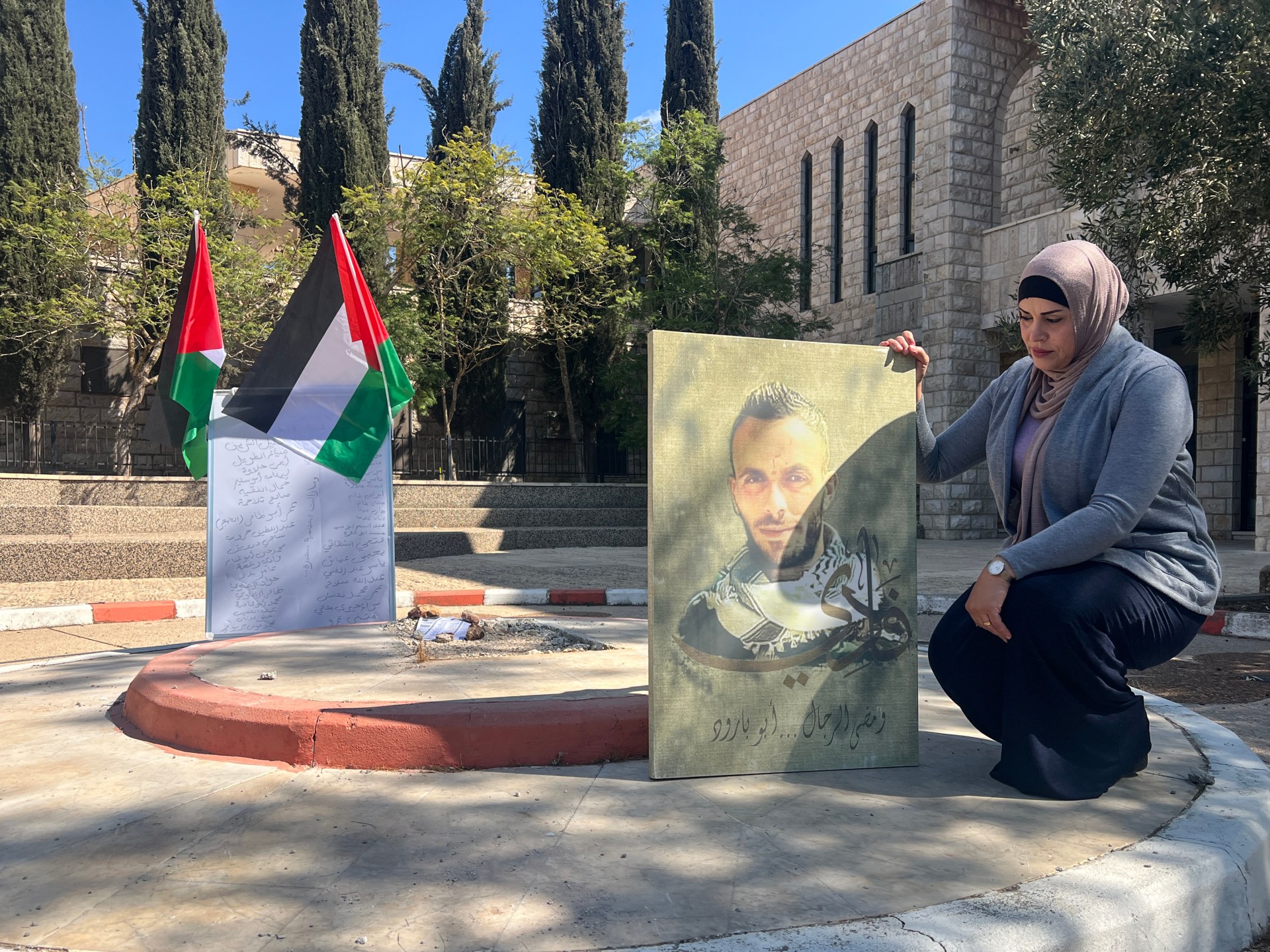
Israeli military forces dismantled a student memorial at Birzeit University, replacing it with a fig sapling and intensifying international concerns over academic freedom and human rights in the occupied West Bank.
Geopolitical & Core Developments
In a development that has drawn intense international scrutiny, Israeli military forces entered the campus of Birzeit University in the occupied West Bank to dismantle a prominent monument dedicated to students and alumni killed during ongoing conflicts. According to reports from Al Jazeera and local administrative bodies, soldiers removed the structural memorial honoring fallen campus members and subsequently planted a fig sapling in its place. The operation represents a dramatic escalation in institutional interventions within Palestinian academic spaces, which have long served as focal points for intellectual resistance and cultural preservation. State actors and regional observers have noted that the maneuver aligns with broader security strategies implemented across the West Bank, where military incursions into universities have become increasingly frequent. The deliberate targeting of commemorative symbols highlights a concerted effort by authorities to suppress collective memory and student activism amidst a volatile security landscape characterized by heightened checkpoints, administrative detentions, and restricted movement across municipal boundaries.
Global Trade & Economic Ripples
While the destruction of the Birzeit University memorial is primarily a socio-political and human rights event, persistent instability in the West Bank exerts subtle yet significant pressures on regional economic networks and investor confidence. Prolonged military operations, infrastructural blockades, and heightened civil unrest directly disrupt domestic commerce, impede labor mobility, and increase logistical costs for local enterprises operating within Palestinian territories. On a broader macroeconomic scale, protracted geopolitical friction in the Levant contributes to sustained risk premiums across Middle Eastern commodity markets, subtly influencing investor sentiment regarding regional infrastructure projects, trade corridors, and foreign direct investment. Global shipping lanes and energy supply chains, while not immediately throttled by this specific campus incident, remain highly sensitive to any escalation of hostilities that could potentially cascade across wider trade networks, affecting currency stability and international trade flows throughout the eastern Mediterranean basin.
Related Intelligence: French Student Protests Spark National Discontent and Economic Uncertainty
International Reactions & Diplomatic Stances
The dismantling of the campus monument has triggered swift condemnation from international human rights organizations, academic freedom advocates, and various diplomatic missions. Representatives from multilateral bodies, including specialized United Nations agencies, have expressed deep concern over the infringement of educational sanctuaries and the systematic erosion of protected cultural and civil rights under military occupation. Academic institutions worldwide have issued statements of solidarity with Birzeit University, characterizing the removal of the memorial as a direct assault on freedom of expression and historical remembrance. Conversely, official Israeli security spokespersons defended operational imperatives within the West Bank, citing security protocols and measures aimed at curbing perceived incitement within higher education institutions. Market analysts and geopolitical risk consultants continue to monitor official diplomatic communiques closely, evaluating whether the incident will catalyze formal reprimands or influence bilateral trade agreements and cooperative diplomatic frameworks.
Strategic Outlook & Future Scenarios
Looking ahead, the trajectory of civil-military relations within West Bank academic institutions points toward sustained friction and heightened diplomatic tensions. As upcoming international summits and regional security forums approach, the protection of educational infrastructure and human rights compliance are expected to feature prominently on multilateral agendas. The incident at Birzeit University may serve as a catalyst for increased advocacy campaigns by international nongovernmental organizations seeking accountability and enhanced protection for academic spaces under occupation. Furthermore, potential escalation points remain centered around student demonstrations, administrative strikes, and prospective policy shifts by foreign governments regarding diplomatic engagement and aid conditionality. Analysts suggest that unless underlying political grievances are addressed through comprehensive diplomatic channels, institutional flashpoints within the West Bank will continue to generate international friction and economic unpredictability across the region.
Join Our Official WhatsApp Channel
Receive live commodity alerts, policy changes, and commercial intelligence directly on WhatsApp.