
Israeli Ground Raids in Southern Syria Fuel Broader Regional Instability
Escalating Israeli military incursions and detainee abuse allegations in southern Syria risk widening regional conflict and destabilizing critical Levantine trade links.
Geopolitical & Core Developments
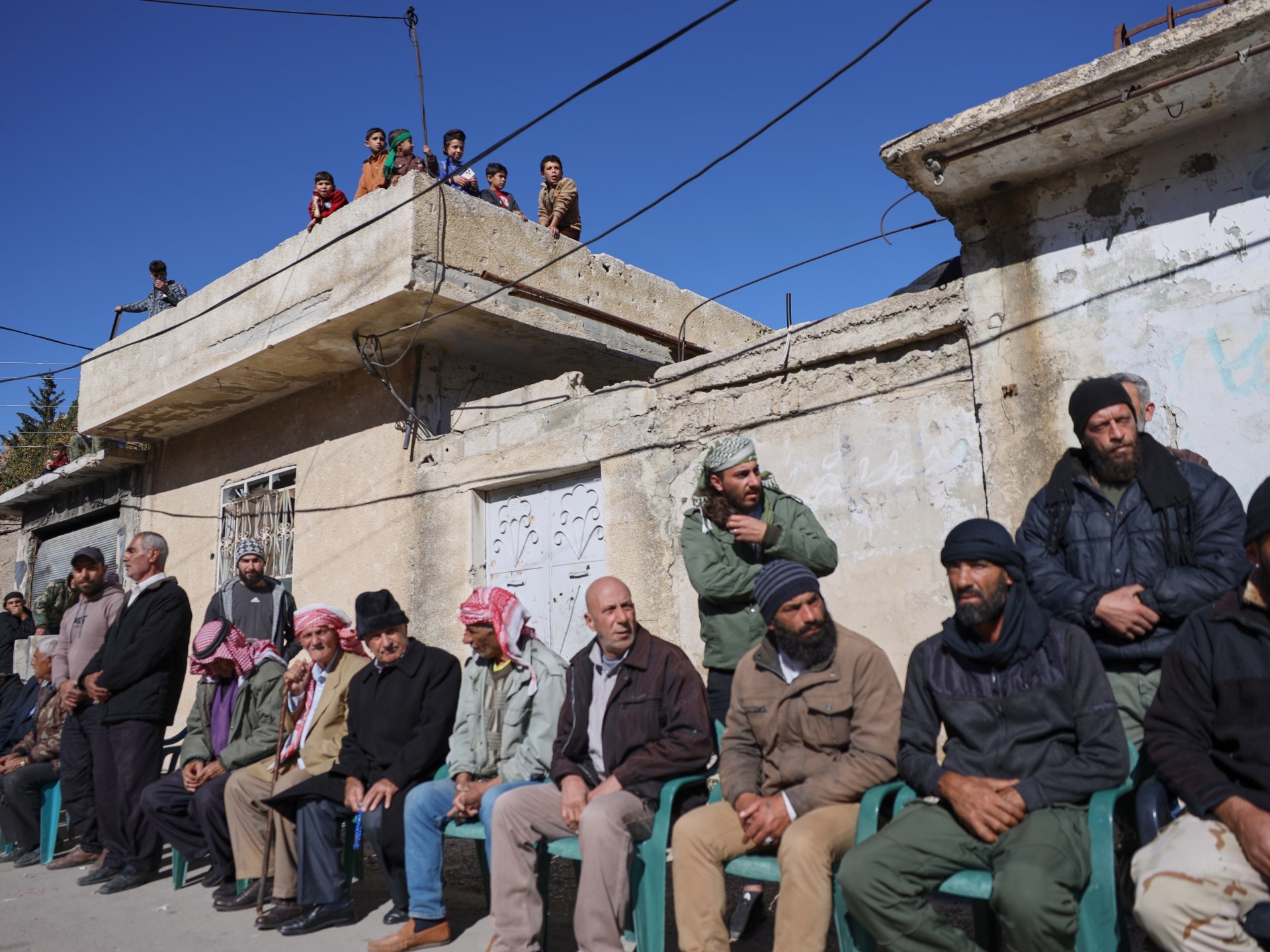
Tensions along the Syrian-Israeli demarcation line have surged following a series of cross-border incursions and systematic detention operations executed by the Israel Defense Forces across southern Syrian provinces, primarily targeting rural zones within Quneitra and western Daraa. The ground incursions mark an operational shift from conventional standoff aerial strikes toward active spatial control and intelligence gathering inside sovereign Syrian territory. Testimonies gathered from released detainees outline harsh conditions, with accounts citing extensive psychological coercion, physical abuse, and prolonged restraint during interrogation cycles inside temporary military outposts.
Damascus has repeatedly condemned the incursions as direct violations of Syrian sovereignty and breaches of the 1974 Disengagement Agreement overseen by the United Nations Disengagement Observer Force. Israeli defense officials maintain that these operations are preventative measures designed to interdict Iranian-aligned militia networks and prevent the consolidation of advanced weaponry platforms near the Golan Heights. The escalating frequency of ground maneuvers further erodes stability in southern Syria, a region already grappling with fractured local administrative apparatuses, fragmented security architectures, and widespread socio-economic distress.
Global Trade & Economic Ripples
While southern Syria is not a primary hydrocarbon extraction hub, its geographic position directly impacts Levantine commercial corridors and maritime security perimeters in the Eastern Mediterranean. Prolonged friction in this corridor exerts indirect pressure on regional supply chains, particularly overland transit between Jordan, Syria, and Lebanon. Commercial transport routes that connect the Port of Beirut and Syrian internal markets through southern transit corridors face elevated security screening protocols, driving up domestic logistics expenses and insurance war-risk surcharges.
Furthermore, the prospect of an expanded confrontation spanning southern Syria introduces added volatility into global crude benchmarks. Energy traders closely monitor whether military friction in the Levant draws in external regional powers, which could precipitate wider supply-chain bottlenecks through the Red Sea or the broader Persian Gulf corridor. Fertilizer, grain, and agricultural outputs moving across the Eastern Mediterranean rim also face sustained cost pressures due to elevated commercial freight insurance and defensive hedging strategies adopted by multinational shipping conglomerates.
Related Intelligence: Houthi Missile Strikes Threaten Yemen Red Sea Frontlines and Shipping Lanes
International Reactions & Diplomatic Stances
The United Nations Disengagement Observer Force has reiterated calls for all parties to exercise maximum operational restraint, emphasizing that unilateral military activities within the area of separation destabilize long-standing ceasefire arrangements. The United Nations Special Envoy for Syria underscored that persistent violations compromise broader diplomatic efforts aimed at stabilizing the country under Security Council Resolution 2254.
Regional capitals have issued warnings regarding the expanding footprint of ground operations. Jordan has voiced concerns regarding border security, cross-border narcotics trafficking, and the influx of displaced civilians seeking refuge from unstable border communities. Meanwhile, key regional powers and international observers have cautioned that systemic detentions and documented maltreatment of civilians risk precipitating localized uprisings, further complicating diplomatic normalization efforts spearheaded by regional bodies.
Strategic Outlook & Future Scenarios
The trajectory of southern Syria remains tethered to wider geopolitical balances across the Middle East. If ground raids and localized detainee sweeps continue unchecked, localized populations are likely to shift from passive resistance to asymmetric engagements against operating forces, drawing Syrian armed forces and aligned non-state actors into direct combat engagements.
In the medium term, the absence of a verified diplomatic buffer mechanism could lead to the formalization of a de facto security perimeter managed through force projection rather than treaty consensus. Observers anticipate that upcoming multilateral discussions, including regional security dialogues and UN briefings, will center heavily on the viability of current peacekeeping mandates, the preservation of civilian protection frameworks, and mitigating structural risks to cross-border commercial links.
Join Our Official WhatsApp Channel
Receive live commodity alerts, policy changes, and commercial intelligence directly on WhatsApp.