
Islamabad Imposes Section 144 Amid PTI and Kissan Ittehad Protests
Islamabad district administration enforced a two-month ban under Section 144, preempting major political and agrarian protests.
The Core Development
The Islamabad district administration has officially enforced Section 144 of the Criminal Procedure Code (CrPC) across the federal capital for a duration of two months, citing profound security concerns and maintaining public order. According to an official notification issued by Additional District Magistrate Dr Anam Fatima, the restrictive measures take effect immediately, prohibiting all forms of public assemblies, unauthorized gatherings, processions, and demonstrations of four or more people within the capital territory.
This administrative clampdown comes directly on the heels of major mobilization announcements by key political and agrarian actors. The Pakistan Tehreek-e-Insaf (PTI) has formally scheduled a high-stakes long march toward Islamabad on September 27, demanding the immediate release of its incarcerated founder and former prime minister, Imran Khan, currently detained in Rawalpindi's Adiala Jail. Concurrently, the Kissan Ittehad has announced parallel protest demonstrations and sit-ins to press for agricultural subsidies, relief on electricity tariffs, and fair crop pricing. The convergence of these two distinct mass movements has triggered heightened security protocols across the capital, featuring extensive deployment of law enforcement agencies, containment barricades, and restricted entry points.
Commercial & Economic Implications
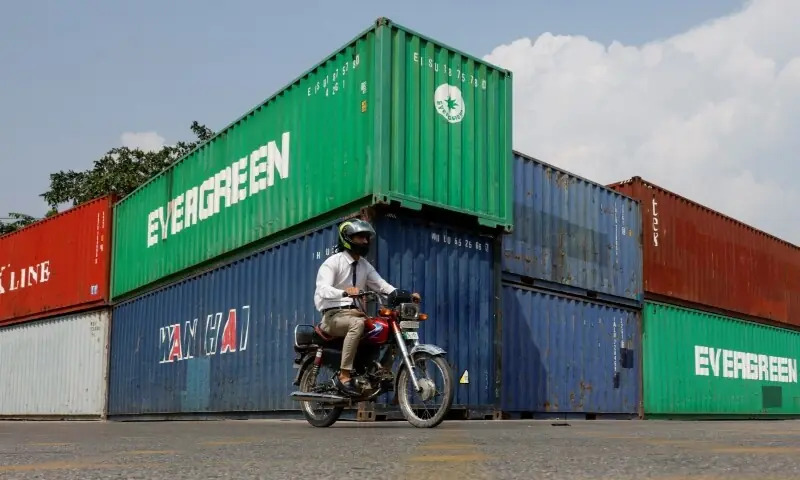
For Kalyar Traders and the wider business community in Pakistan, the imposition of Section 144 and the impending political showdown carry immediate economic repercussions. Capital cities serve as vital nodes for national distribution networks, wholesale trade, and corporate logistics. Road closures, container blockades on arterial highways, and heightened security checkpoints inevitably paralyze supply chains, delaying the transit of essential commodities, perishable goods, and industrial raw materials between Rawalpindi, Islamabad, and northern markets.
Furthermore, prolonged political instability and civil disruptions severely undermine investor confidence, depressing retail turnover and exacerbating inflationary pressures. Small and medium enterprises (SMEs) in the twin cities routinely report significant revenue contraction during major lockdown phases due to reduced foot traffic and forced commercial closures. Transport operators and freight forwarders face skyrocketing operational costs stemming from extended detours and fuel wastage, which ultimately trickle down to consumer price indices, compounding the financial burden on urban households already grappling with elevated inflation.
Related Intelligence: UK Social Fractures Threaten Investor Confidence and Domestic Stability
Stakeholder Perspectives & Market Reactions
Business councils, trader associations, and legal experts have expressed deep apprehension over the blanket enforcement of Section 144 and its adverse toll on economic activity. Representatives from various commercial bodies argue that while public safety remains paramount, recurring administrative lockdowns inflict disproportionate financial damage on legitimate mercantile trade. Chambers of commerce have repeatedly emphasized that negotiated settlements and open dialogue are vital to prevent economic strangulation caused by political polarization.
Conversely, official circles defend the enforcement as an indispensable preventive measure to safeguard public property, protect commercial installations, and ensure the unhindered flow of essential services. Legal analysts note that while the state possesses statutory authority under the CrPC to regulate public assemblies during emergencies, balancing fundamental constitutional rights with economic imperatives remains an ongoing governance challenge in Pakistan's current political climate.
Forward Outlook & Key Watchpoints
As the September 27 deadline approaches, stakeholders across the financial and political spectrum are closely monitoring administrative enforcement and opposition strategies. Key indicators to watch include the extent of containerization on major transport corridors, potential inter-provincial transit restrictions, and any last-minute judicial interventions or negotiated compromises between the government and protesting factions. Business leaders continue to urge contingency planning for supply chain continuity to mitigate potential shocks to wholesale and retail markets in the federal capital region.
Join Our Official WhatsApp Channel
Receive live commodity alerts, policy changes, and commercial intelligence directly on WhatsApp.