
Islamabad Imposes Two-Month Section 144 Amid Imminent Marches
Islamabad administration enforces Section 144 for two months, banning public gatherings as PTI and Kissan Ittehad prepare for high-stakes protests and long marches in the capital.
The Core Development
The Islamabad district administration has officially enforced Section 144 of the Criminal Procedure Code (CrPC) across the capital territory for a period of two months, citing immediate security risks and potential threats to public order. According to the official notification issued by Additional District Magistrate Dr Anam Fatima, dated September 18, the directive prohibits all forms of unlawful assemblies, public gatherings of four or more people, rallies, and processions with immediate effect.
This pre-emptive administrative measure has been triggered by intensifying political and socio-economic agitation. Both the opposition Pakistan Tehreek-e-Insaf (PTI) and the agrarian pressure group Kissan Ittehad have publicly announced plans to stage disruptive long marches and sit-ins in the federal capital. The PTI's mobilization, specifically scheduled for September 27, is aimed at mounting pressure on federal authorities to secure the release of its incarcerated founder, former Prime Minister Imran Khan, who remains imprisoned at Rawalpindi's Adiala Jail. Concurrently, farming communities under the Kissan Ittehad banner are pressing for agricultural reforms, revised energy tariffs, and better support pricing, setting the stage for a potential multi-front confrontation with law enforcement agencies.
Commercial & Economic Implications
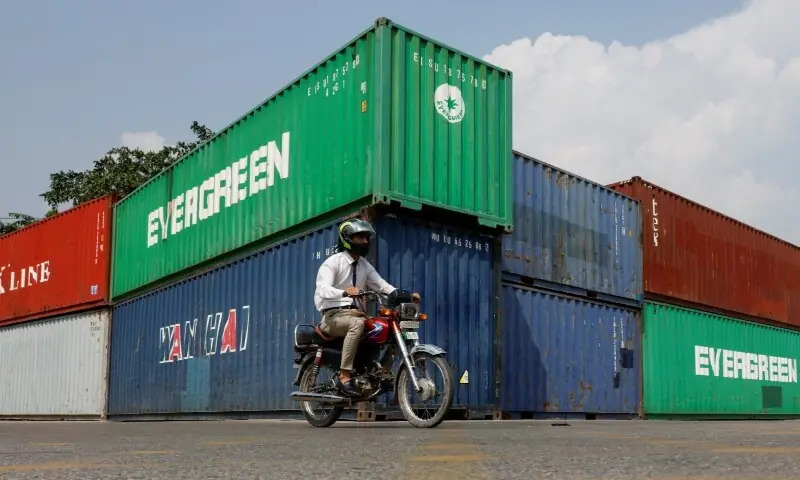
For Kalyar Traders and the wider business community in Pakistan, the imposition of Section 144 and the looming threat of political agitation present severe commercial risks. Islamabad and its twin city Rawalpindi serve as critical commercial hubs and transit corridors for northern supply chains. Prolonged road closures, container blockades, and transport disruptions invariably paralyze wholesale distribution networks, delay perishable agricultural cargo, and inflate logistics costs.
Retail trade within commercial centers such as Blue Area, Aabpara, and Karachi Company typically suffers sharp revenue contractions during lockdown-like security environments. Consumer footfall drops precipitously, while small and medium enterprises (SMEs) face operational downtime. Furthermore, recurring supply chain bottlenecks directly fuel inflationary pressures, compounding retail price volatility for essential commodities across Punjab and Khyber Pakhtunkhwa. Business confidence remains fragile as merchants factor political instability into inventory management and capital deployment.
Related Intelligence: Islamabad Imposes Section 144 Amid PTI and Kissan Ittehad Protests
Stakeholder Perspectives & Market Reactions
Trader associations and industrial bodies have expressed deep dismay over the administrative clampdown, arguing that systemic political standoffs inflict disproportionate economic collateral damage on legitimate commerce. Representatives from local chambers of commerce have urged both the government and opposition parties to prioritize economic stability through structured dialogue rather than disruptive street protests.
Legal experts note that while the invocation of Section 144 is a recognized executive tool for maintaining public order under constitutional frameworks, its prolonged two-month enforcement frequently faces judicial scrutiny regarding fundamental rights to peaceful assembly and freedom of expression. Meanwhile, federal and district law enforcement agencies have reaffirmed a zero-tolerance policy, warning citizens and organizers against participating in any unauthorized activities or violating the statutory ban.
Forward Outlook & Key Watchpoints
As the September 27 protest deadline approaches, market watchers and business analysts are closely monitoring several critical indicators. Key watchpoints include the government's enforcement posture at federal entry points, potential negotiations between state functionaries and protest organizers, and the operational status of major commercial markets and transport routes.
Should the administration resort to extensive containerization and strict curfew-like patrolling, commercial activity will face severe contraction. Conversely, any last-minute negotiated settlements or rerouted demonstrations could mitigate economic fallout. For commercial stakeholders, maintaining agile inventory reserves and monitoring real-time logistics advisories will remain paramount over the coming weeks.
Join Our Official WhatsApp Channel
Receive live commodity alerts, policy changes, and commercial intelligence directly on WhatsApp.