
IRGC Demands US and Israeli Withdrawal Amid Regional Escalation
The Iranian Revolutionary Guard Corps has demanded the complete withdrawal of US and Israeli forces from the Middle East, triggering severe concerns across global energy markets and international diplomatic channels.
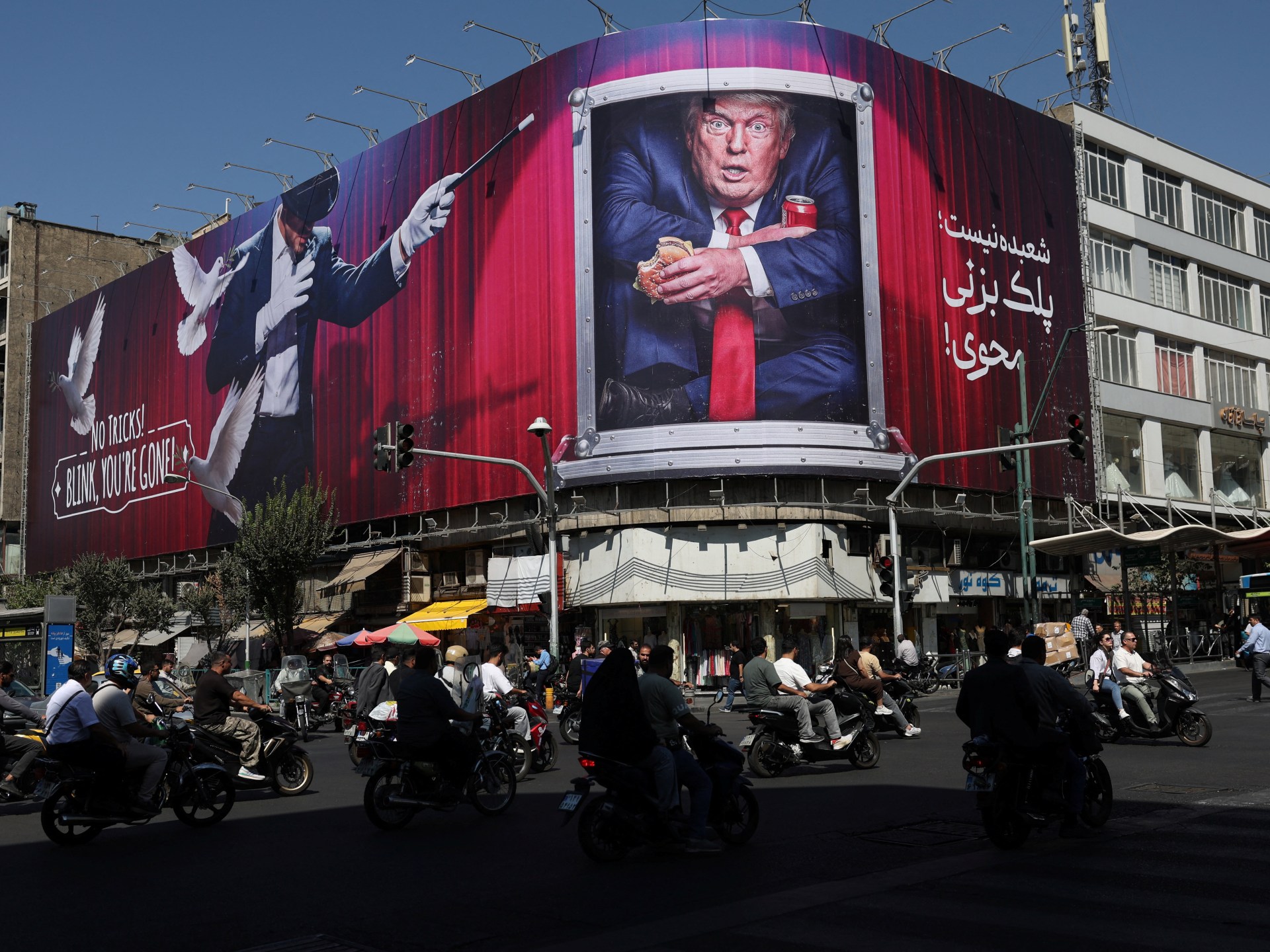
Geopolitical & Core Developments
The geopolitical architecture of the Middle East faces an inflection point as high-ranking officials within Iran's Islamic Revolutionary Guard Corps (IRGC) issued a categorical demand for the complete withdrawal of United States and Israeli military presences from the region. Speaking through state-aligned media channels, IRGC leadership framed the presence of foreign military assets as an intolerable infringement on regional sovereignty, asserting that regional stability can only be achieved through the elimination of external military intervention. This hardline posture arrives against a backdrop of prolonged low-intensity conflict, shadow warfare, and stalled diplomatic overtures regarding regional security architecture and nuclear file negotiations.
Strategic analysts note that the rhetoric underscores a hardening of Tehran's defensive and offensive doctrines. The juxtaposition of regional resistance movements and conventional state-backed military posture creates a volatile security matrix. State actors across the Persian Gulf find themselves navigating an increasingly precarious diplomatic tightrope, attempting to balance bilateral ties with Western powers while managing the immediate security fallout from escalating rhetoric. The timeline of recent naval confrontations and proxy engagements suggests that tactical miscalculations could rapidly precipitate broader strategic conflagrations.
Global Trade & Economic Ripples
International commodity markets reacted swiftly to the intensified rhetoric, with Brent crude futures ticking upward amid mounting anxiety over potential supply chain bottlenecks. The primary concern for global energy traders centers on the security of the Strait of Hormuz, a critical maritime chokepoint through which approximately one-fifth of the world's petroleum consumption passes daily. Any credible threat to commercial shipping lanes in the Persian Gulf and the Gulf of Oman immediately translates into surging risk premiums for oil tankers, elevated marine insurance rates, and logistical rerouting.
Beyond petroleum, the broader macroeconomic ecosystem faces secondary ripples. Agricultural commodity shipments transiting through regional hubs confront potential delays, while industrial metals and global equity markets experience heightened sensitivity to Middle Eastern risk indicators. Currency markets have registered defensive shifts, with safe-haven assets such as the US dollar and Swiss franc gaining ground against emerging market currencies vulnerable to energy shocks. Supply chain directors across manufacturing sectors are actively reassessing contingency plans for raw material procurement, fearing that prolonged tensions could choke vital trade corridors connecting Asia, Europe, and the Middle East.
Related Intelligence: United Russia Secures Supermajority Amid Mounting War Fatigue
International Reactions & Diplomatic Stances
Official responses from multilateral institutions and Western capitals have been swift and uncompromising. Representatives for the United States Department of Defense reaffirmed Washington's enduring commitment to regional allies and freedom of navigation across international waters, dismissing the IRGC ultimatums as destabilizing posturing. European Union diplomatic services issued joint statements calling for immediate restraint and urging all parties to re-engage in backchannel diplomacy to prevent an irreversible spiral of hostilities.
Meanwhile, market analysts and geopolitical risk consultancies have upgraded their threat assessments for the region. Organizations monitoring international trade routes warn that commercial operators must maintain heightened vigilance. While the United Nations Security Council has convened informal consultations to evaluate the deteriorating security environment, deep divisions among permanent members continue to hinder the formulation of a unified resolution capable of compelling a de-escalation of rhetoric and military posture.
Strategic Outlook & Future Scenarios
Looking ahead, the trajectory of Middle Eastern security hinges on whether backchannel mediations managed by regional intermediaries can successfully mitigate current flashpoints. Upcoming diplomatic summits and ministerial meetings of the Gulf Cooperation Council will serve as critical barometers for regional cohesion and crisis management. Observers warn that if the rhetoric translates into tangible maritime interdictions or proxy escalations, Western governments may introduce a fresh wave of comprehensive economic sanctions targeting Iran's petrochemical sector and financial networks.
Conversely, a negotiated thaw remains a narrow possibility if economic pressures inside Iran compel a tactical recalibration toward diplomatic engagement. However, the prevailing consensus among global risk strategists points toward an extended period of heightened readiness, where economic volatility and geopolitical friction remain the baseline operating conditions for international commerce traversing the Middle East.
Join Our Official WhatsApp Channel
Receive live commodity alerts, policy changes, and commercial intelligence directly on WhatsApp.