
Ireland-Israel Football Fixtures Ignite Diplomatic and Commercial Tensions
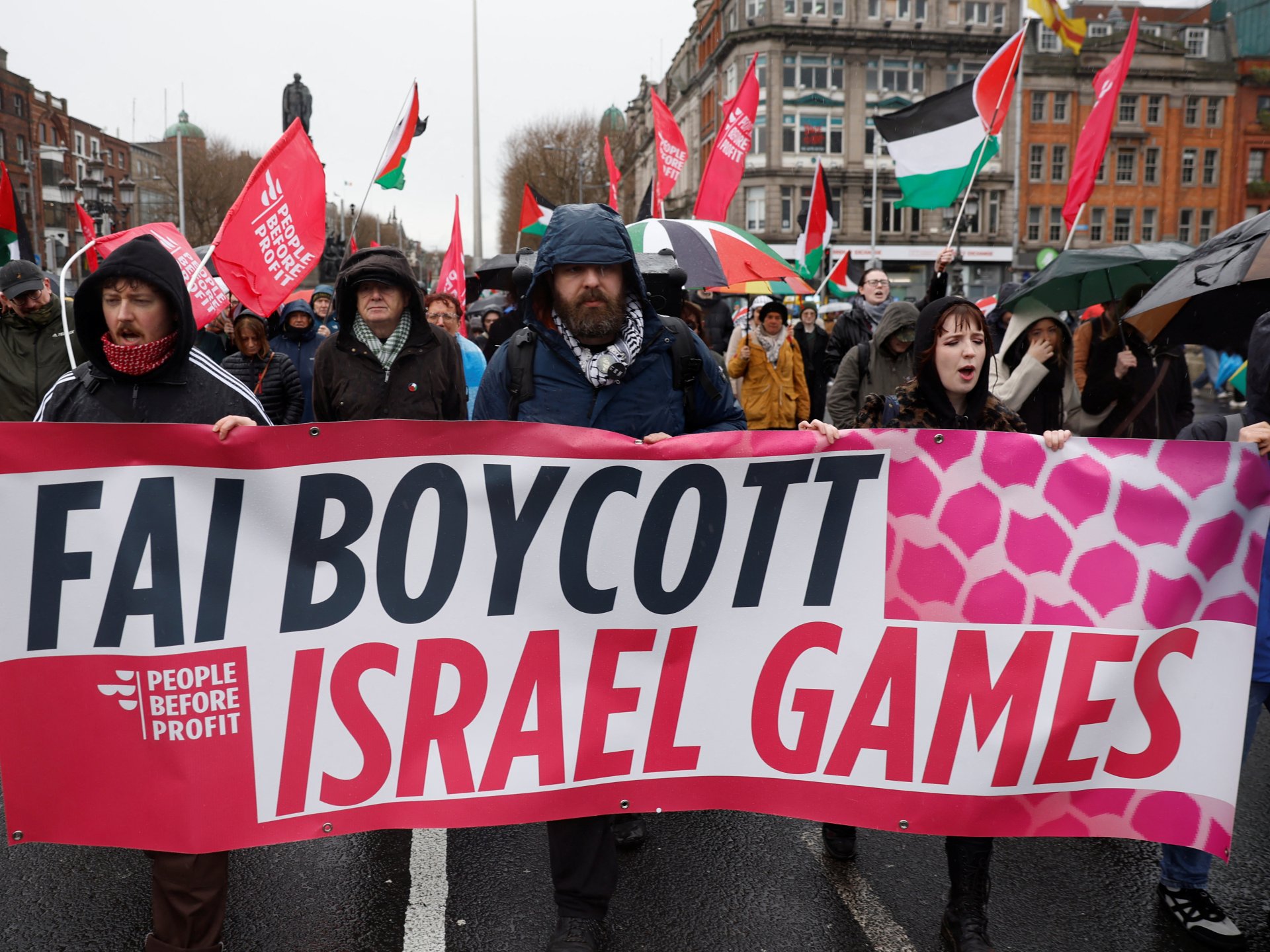
Upcoming football matches between Ireland and Israel provoke intense political debate and boycott calls, reflecting broader geopolitical strains impacting international trade and diplomacy.
Geopolitical & Core Developments
The decision by football governing bodies to proceed with scheduled fixtures between the national teams of Ireland and Israel has ignited a firestorm of diplomatic controversy and domestic dissent. Against the backdrop of escalating conflict in Gaza and mounting humanitarian concerns, Irish civil society groups, political figures, and activist networks have intensified calls for a total athletic boycott of Israeli state representatives. The impending matches, organized under the auspices of UEFA, represent more than mere athletic competition; they have crystallized deep ideological fractures across Europe regarding state accountability, international law, and the moral responsibilities of global sporting institutions. While sporting authorities maintain a strict policy of political neutrality, the persistence of these fixtures in the face of widespread public outcry underscores the friction between institutional traditions and urgent geopolitical realities. The Irish government finds itself navigating a delicate diplomatic tightrope, balancing public sentiment and human rights commitments against the strict regulatory frameworks governing international sports federations. Meanwhile, Israeli diplomatic missions have defended participation as a matter of standard athletic exchange, warning against the politicization of international sports.
Global Trade & Economic Ripples
While the immediate controversy centers on the athletic pitch, the underlying geopolitical tensions carry latent implications for bilateral commerce, foreign direct investment, and corporate stakeholder value. Ireland serves as a critical European hub for numerous multinational technology, pharmaceutical, and financial services firms, many of which maintain intricate supply chains and research partnerships intersecting with the Middle East. Although direct commodity trade between Ireland and Israel remains relatively modest—concentrated primarily in specialized tech components, medical devices, and high-value chemicals—escalating diplomatic friction introduces reputational risk for multinational enterprises operating in both jurisdictions. Institutional investors and asset managers increasingly incorporate Environmental, Social, and Governance metrics into their risk assessments, monitoring how state-level disputes impact corporate operations, consumer sentiment, and brand equity. Furthermore, prolonged instability in the Eastern Mediterranean and the broader Middle East continues to exert pressure on global logistics, maritime insurance rates, and energy shipping lanes, creating secondary cost pressures that ripple through international markets.
Related Intelligence: Pakistan and Iran Forge Closer Economic and Diplomatic Ties at UNGA
International Reactions & Diplomatic Stances
The controversy surrounding the Ireland-Israel fixtures has drawn commentary from various international bodies, human rights organizations, and multilateral institutions. United Nations officials have repeatedly emphasized the obligations of member states under international humanitarian law, amplifying calls from civil society for comprehensive accountability mechanisms. Several European Union member states have expressed growing unease over the consistency of bloc-wide foreign policy regarding the conflict in Gaza, leading to fragmented diplomatic positions within European institutions. Market analysts note that while sporting boycotts rarely trigger immediate macroeconomic shocks, they serve as potent barometers of shifting public opinion and diplomatic alignment. Trade delegations and chambers of commerce in both nations are closely monitoring official statements, wary of potential retaliatory regulatory measures, visa restrictions, or targeted consumer boycotts that could disrupt specialized commercial sectors. The lack of a unified European consensus on how to address cultural and athletic engagement with Israel leaves individual governments vulnerable to intense domestic polarization.
Strategic Outlook & Future Scenarios
Looking ahead, the trajectory of Ireland-Israel relations within international forums will likely depend on developments in the Gaza conflict and shifts in broader European foreign policy. Upcoming international summits, including meetings of the European Council and international trade forums, are expected to feature contentious debates regarding sanctions, arms embargoes, and diplomatic protocols. For international corporations and institutional investors, the primary risk lies in the potential hardening of state positions, which could complicate cross-border compliance and project financing. As pressure mounts on international federations like UEFA and FIFA to reevaluate their participation criteria in conflict zones, the intersection of sports, diplomacy, and global commerce will remain a volatile frontier. Stakeholders across global commodity markets and international trade sectors must remain vigilant, preparing for sudden regulatory shifts and reputational flashpoints as geopolitical alignments continue to realign.
Join Our Official WhatsApp Channel
Receive live commodity alerts, policy changes, and commercial intelligence directly on WhatsApp.