
Ireland Delays Israel Match Press Briefing Amid Boycott Calls
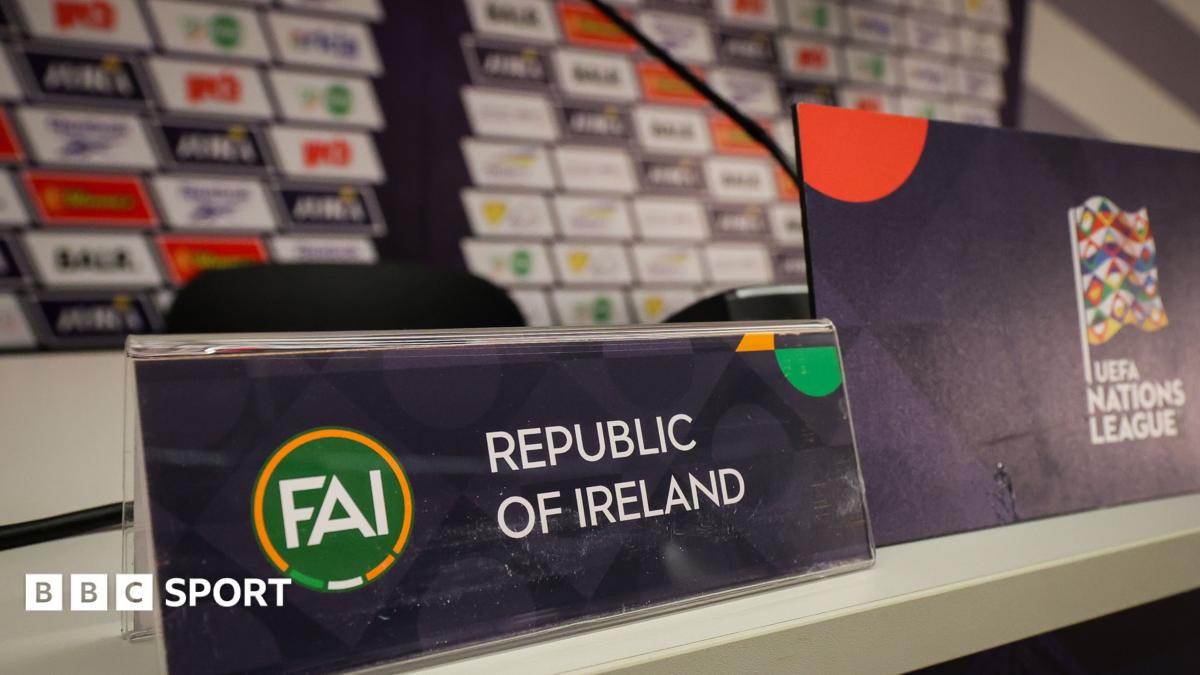
The Republic of Ireland postponed its pre-match media briefing ahead of a controversial UEFA Nations League fixture against Israel in Hungary, as domestic boycott pressures intensify.
Geopolitical & Core Developments
The decision by the Football Association of Ireland to delay its scheduled pre-match press conference ahead of Sunday's UEFA Nations League fixture against Israel in Hungary underscores the profound friction where international athletics meets geopolitics. The match, relocated to a neutral venue due to ongoing security assessments surrounding the Israel-Hamas conflict, has become a focal point for domestic and international advocacy groups. Campaigners across Europe have increasingly targeted cultural, academic, and sporting exchanges to protest military actions in Gaza, transforming routine athletic fixtures into high-stakes diplomatic flashpoints. State actors, sports federations, and civil society organizations find themselves navigating an increasingly polarized landscape where neutrality is difficult to maintain. As diplomatic channels strain under the weight of the Middle East crisis, sporting bodies are forced to balance regulatory mandates with mounting ethical scrutiny from players, fans, and political leaders.
Global Trade & Economic Ripples
While sporting fixtures rarely alter macroeconomic fundamentals directly, high-profile geopolitical boycotts and security adjustments generate quantifiable ripples across international commerce, tourism, and corporate sponsorship portfolios. Heightened security protocols around neutral-venue matches in Central and Eastern Europe impose additional logistical costs on governing bodies, local municipalities, and corporate partners. Furthermore, sustained civil unrest and reputational polarization surrounding events involving Middle Eastern state actors introduce volatility into multinational corporate sponsorships and brand valuations. In the broader commodity and trade context, persistent geopolitical friction in the Eastern Mediterranean and Levant regions continues to cast uncertainty over energy exploration, maritime shipping routes, and investor confidence. Global supply chains and financial markets remain highly sensitive to any escalation that threatens regional stability, making even secondary diplomatic tensions relevant to commercial risk management strategies.
Related Intelligence: Syrian Kurdish Returns to Afrin Spark Geopolitical and Commercial Shifts
International Reactions & Diplomatic Stances
International reactions to the controversy surrounding the fixture reflect deep divisions within multilateral institutions and Western capitals. Human rights organizations and independent legal advocates have intensified calls for international sports governing bodies, including FIFA and UEFA, to enforce consistent sanctions against nations engaged in prolonged armed conflicts, drawing parallels with historical precedents. Conversely, sports administrators maintain that athletic competitions should remain politically autonomous channels for international engagement, warning that weaponizing sports sets a destabilizing precedent for global diplomacy. European governments have adopted varying postures, with some endorsing strict neutrality while others face severe domestic pressure from legislative bodies and grassroots movements demanding diplomatic disengagement. These divergent stances complicate efforts by international bodies to establish unified frameworks for managing geopolitical disputes within global entertainment and athletic industries.
Strategic Outlook & Future Scenarios
Looking ahead, the handling of the Ireland-Israel fixture will likely establish a critical precedent for upcoming international sporting events involving politically sensitive nations. As geopolitical polarization deepens across multilateral forums, athletic federations face an uphill battle in insulating tournaments from state-level disputes. Future scenarios point toward heightened security measures, potential walkouts, or further fixture relocations if diplomatic resolutions remain elusive. For international corporations, logistics firms, and global traders, these recurring friction points serve as a reminder of the fragility inherent in globalized networks. Navigating this environment will require enhanced risk assessment models that account not only for traditional macroeconomic indicators but also for the accelerating convergence of geopolitical activism, public sentiment, and commercial enterprise.
Join Our Official WhatsApp Channel
Receive live commodity alerts, policy changes, and commercial intelligence directly on WhatsApp.