
Pakistani Citizen Killed in Riyadh Airport Strike as Yemeni Conflict Escalates
A fresh Houthi missile and projectile strike on Riyadh's King Khalid International Airport killed one Pakistani national and wounded 11 others, marking a severe escalation in regional hostilities that threatens Gulf trade corridors.
The Core Development
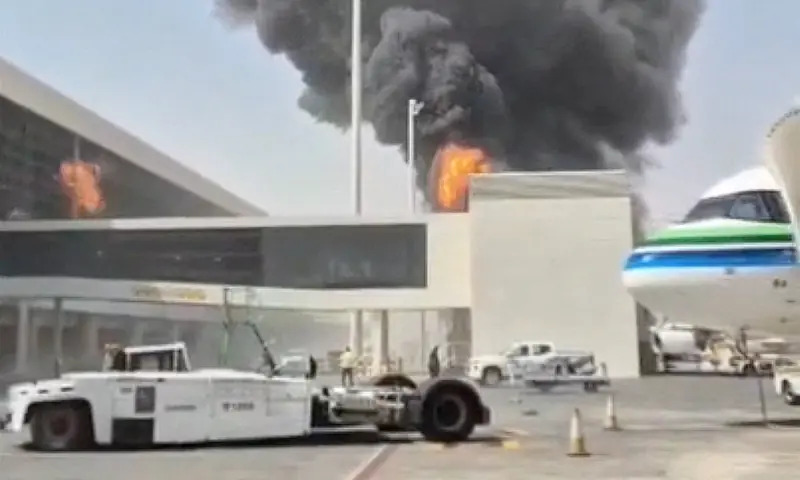
A fresh Houthi strike targeted Riyadh’s King Khalid International Airport on Sunday, resulting in the tragic death of a Pakistani national and leaving 11 other individuals wounded. This violent escalation occurred merely a day after another deadly assault claimed by the Yemen-based group forced civil aviation authorities to temporarily suspend operations at the facility. According to the Saudi-led coalition fighting the insurgent group, the projectile impact sparked a localized fire at the airport complex, while air defense systems successfully intercepted a separate incoming ballistic missile in the immediate vicinity.
The Yemen conflict has witnessed a sharp tactical intensification, with the Houthis publicly claiming responsibility for multiple coordinated attacks over a 24-hour window. The group explicitly threatened to continue targeting strategic infrastructure and transit hubs across the Kingdom, designating civilian aviation and logistics centers as legitimate operational targets. Saturday's initial attack already marked one of the deadliest incidents on Saudi soil in over a decade, underscoring the deteriorating security matrix across the Arabian Peninsula where Riyadh continues to militarily back the internationally recognized Yemeni government.
Commercial & Economic Implications
For Pakistan, the security crisis in the Gulf carries immediate and profound economic ramifications. Saudi Arabia remains a critical anchor for Pakistan’s external account stability, serving as a primary source of bilateral petroleum supply, foreign direct investment, and vital worker remittances. The targeting of core transit hubs such as Riyadh's international airport poses direct threats to the mobility of the expatriate workforce, which numbers in the millions and forms the bedrock of domestic consumer purchasing power through remittance inflows.
Furthermore, any sustained disruption to Saudi aviation and logistics infrastructure threatens to constrict bilateral trade flows, air cargo logistics, and wholesale supply chains. Importers and exporters operating within the Pakistan-Gulf corridor face prospective hikes in freight rates and war-risk insurance premiums. These logistical bottlenecks risk cascading down into domestic retail markets, potentially compounding inflationary pressures on imported energy commodities and manufactured goods at a time when Pakistan's macroeconomic stabilization program remains highly vulnerable to external shocks.
Related Intelligence: Riyadh Airport Attack Escalates Middle East Geopolitical and Energy Risks
Stakeholder Perspectives & Market Reactions
Business councils, trade associations, and overseas employment promoters in Pakistan have expressed profound concern over the escalating security threats facing expatriate workers in the Gulf region. Industry leaders are urging diplomatic missions and the Ministry of Overseas Pakistanis to issue comprehensive safety advisories and engage regional authorities to ensure heightened security protocols for Pakistani nationals residing near critical infrastructure sites.
Financial markets and corporate stakeholders are closely monitoring the geopolitical fallout. Economic analysts note that prolonged instability in the Gulf directly impacts investor sentiment and dampens corporate expansion plans linked to Middle Eastern markets. Legal and trade experts emphasize the urgent need for robust contingency frameworks to protect bilateral trade pacts and secure the welfare of the diaspora against escalating regional warfare.
Forward Outlook & Key Watchpoints
As the situation unfolds, policymakers and market participants in Pakistan must track several critical indicators. Key watchpoints include the operational status of Saudi aviation hubs, potential retaliatory actions by the Saudi-led coalition, and diplomatic interventions by regional and international stakeholders aimed at enforcing a cessation of hostilities.
Immediate policy enforcement must focus on strengthening consular support for affected families and establishing a rapid-response mechanism for expatriates in high-risk zones. Over the medium term, the durability of Gulf security frameworks will dictate whether trade and remittance channels remain insulated from the expanding theater of the Yemen conflict.
Join Our Official WhatsApp Channel
Receive live commodity alerts, policy changes, and commercial intelligence directly on WhatsApp.