
Iran Flights Suspended Amid Impending US Aviation Sanctions
Iranian carriers suspend regional flights to Baghdad and Muscat as the US Treasury targets civil aviation under new sanctions.
Geopolitical & Core Developments
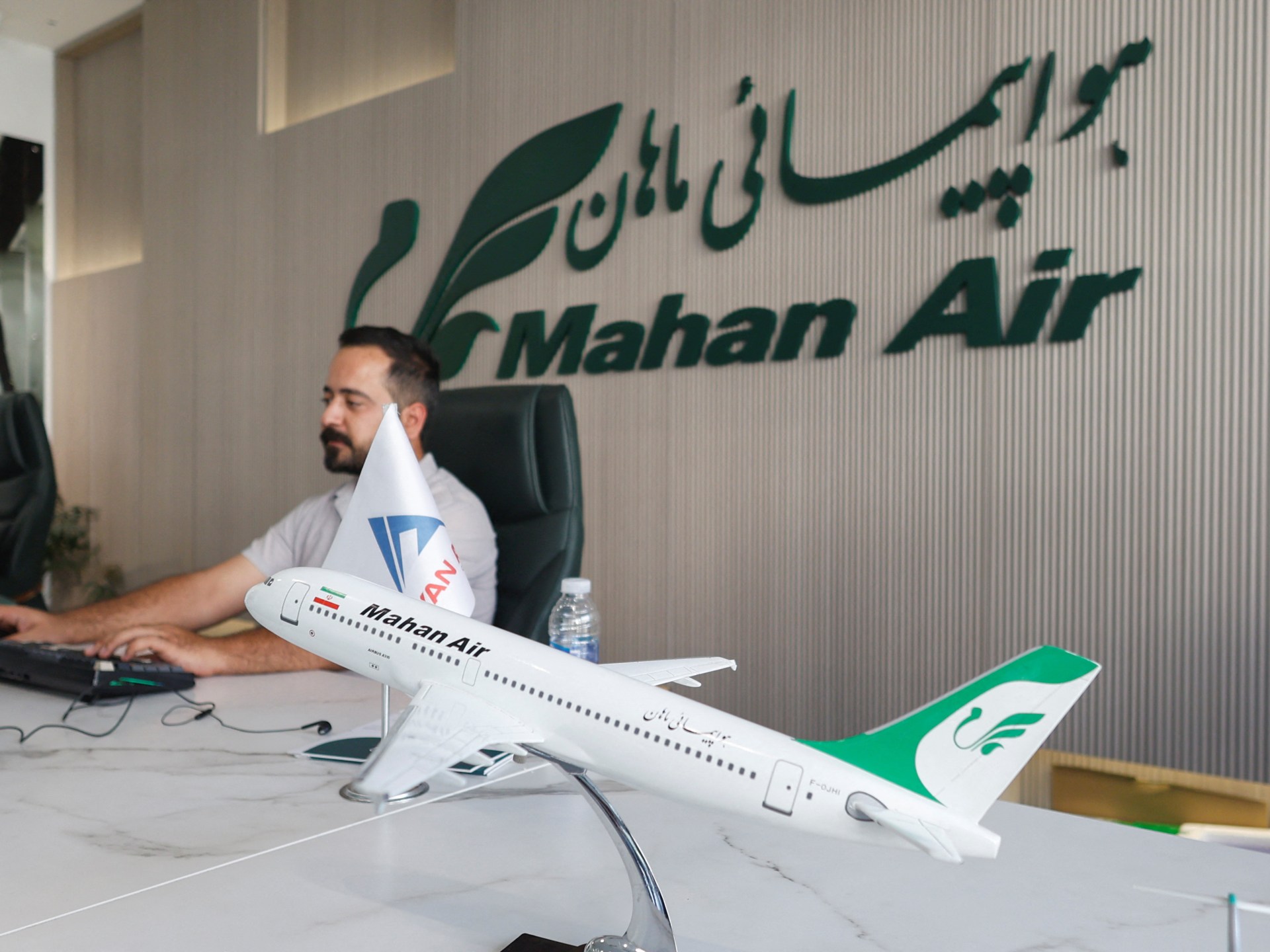
Iranian aviation authorities have moved swiftly to cancel scheduled commercial flights connecting Tehran to Baghdad and Muscat, anticipating an imminent wave of sweeping secondary sanctions by the United States. The preemptive grounding of these key regional routes underscores the escalating pressure campaign spearheaded by US Treasury Secretary Scott Bessent, exactly seven months into the active regional conflict. Washington's focus has progressively shifted from direct military deterrence to dismantling Iran's logistical infrastructure, targeting the state-linked commercial carriers that facilitate personnel movement, statecraft, and covert supply chains across the Middle East. Diplomatic channels between Tehran, Baghdad, and Muscat are currently strained as Iraqi and Omani aviation regulators evaluate the compliance risks associated with maintaining airspace access for sanctioned Iranian fleets. The strategic stakes are immense, as commercial aviation serves not only as a vital economic lifeline for isolated regimes but also as a primary conduit for diplomatic engagement and regional trade delegations.
Global Trade & Economic Ripples
The expansion of US aviation sanctions into the commercial transport sector sends immediate shockwaves through global trade networks and regional supply chains. While oil markets remain the primary focus of geopolitical risk premiums, the restriction of civil aviation disrupts business travel, expedited cargo logistics, and the movement of critical commercial personnel across the Persian Gulf corridor. Muscat and Baghdad have historically functioned as crucial financial and logistical bridges for Iran, bypassing direct Western embargoes through neutral intermediary states. With these flight paths severed or severely restricted, trade settlement times will lengthen, and corporate transaction costs for regional mercantile operations will rise sharply. Furthermore, international freight forwarders and regional insurance underwriters are rapidly reassessing their exposure, fearing that secondary penalties could ensnare non-Iranian carriers operating shared code-share agreements or servicing overlapping regional maintenance hubs.
Related Intelligence: Trump Poses Stark Choice Between Iran Annihilation and Trade Accord at UN
International Reactions & Diplomatic Stances
Official responses from multilateral bodies and regional capitals reflect a deepening apprehension over the weaponization of commercial transport networks. European trade monitors and maritime-aviation insurance syndicates have issued urgent compliance advisories, warning corporate clients to audit their exposure to Iranian entities immediately. Meanwhile, representatives in Baghdad find themselves caught in a complex diplomatic dilemma, balancing longstanding security and commercial ties with Tehran against the existential threat of US financial penalties that could paralyze Iraq's banking sector. Omani officials have maintained a measured diplomatic silence, emphasizing their traditional role as neutral mediators while quietly advising domestic carriers to scale back exposure to high-risk flight corridors. Independent market analysts point out that these punitive measures, while effective at isolating Tehran further, risk fragmenting regional airspace management and complicating humanitarian access.
Strategic Outlook & Future Scenarios
Looking ahead, the trajectory of US aviation sanctions points toward an era of heightened economic warfare where civil infrastructure is routinely conscripted into geopolitical strategy. As the enforcement mechanism tightens under the current US administration, Iran will likely accelerate efforts to procure legacy aircraft parts through clandestine illicit networks and reflag state assets under compliant third-party jurisdictions. Upcoming diplomatic summits in the region will undoubtedly focus on mitigating the spillover effects of these transport blockades on neutral neighboring economies. However, unless a broader diplomatic breakthrough occurs, the systematic decoupling of Iran from regional aviation hubs will become permanent, permanently altering the commercial landscape of the Middle East and setting a harsh precedent for the extraterritorial reach of Western sanctions.
Join Our Official WhatsApp Channel
Receive live commodity alerts, policy changes, and commercial intelligence directly on WhatsApp.