
Qatar Warns of Grave Regional Crisis Following US-Israeli Escalation with Iran
Qatari Emir Sheikh Tamim has warned that years of stalled diplomacy have plunged the Gulf into its most perilous crisis yet, sparking severe economic and trade concerns across global markets.
Geopolitical & Core Developments
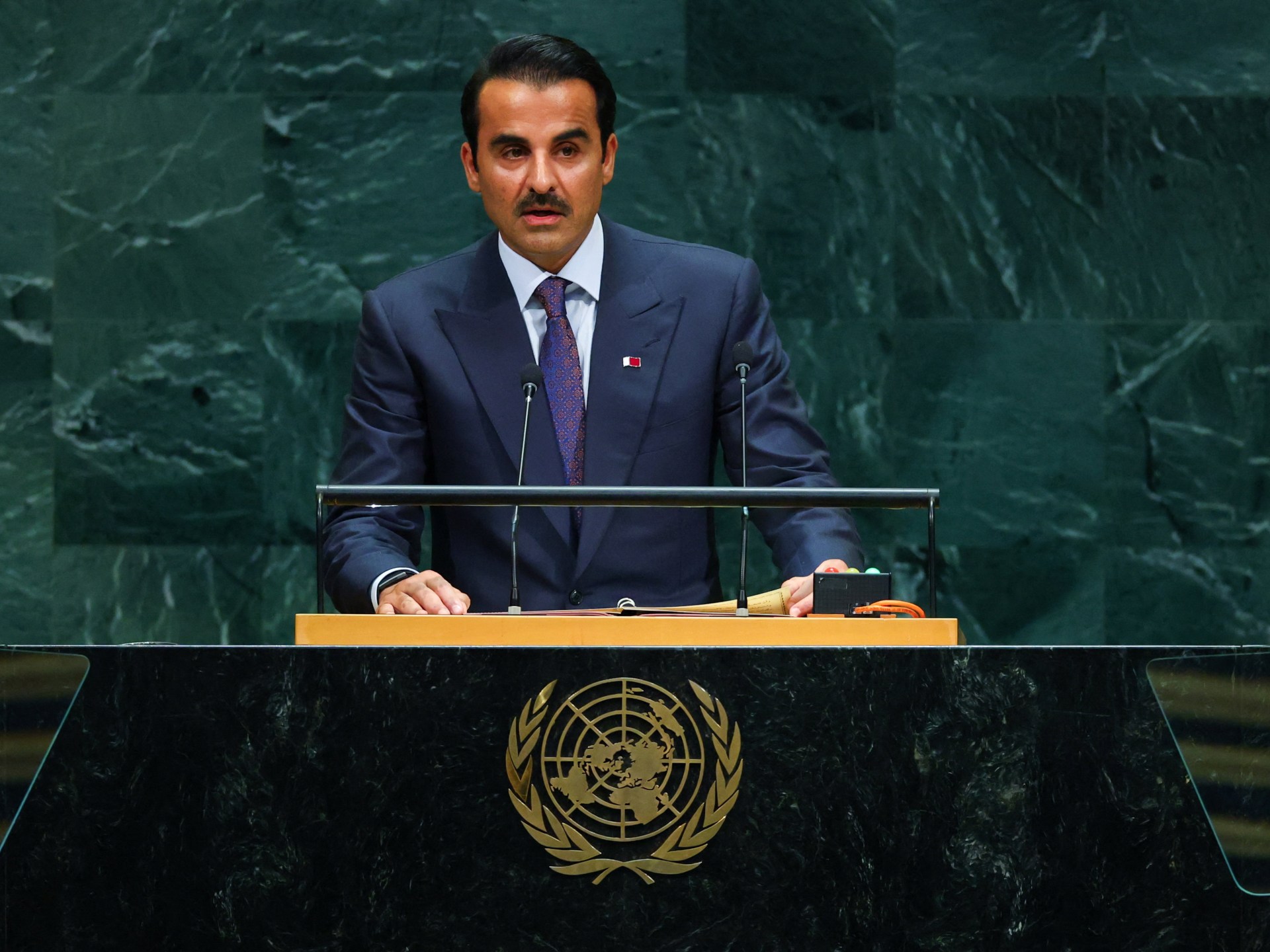
In a stark and uncompromising address addressing the escalating confrontation in the Middle East, Qatari Emir Sheikh Tamim bin Hamad Al Thani declared that the Gulf region has entered one of the most dangerous phases in its modern history. Speaking on the convergence of strategic crises, the Emir asserted that years of delayed diplomacy and neglected multilateral frameworks directly enabled the outbreak of the current US-Israeli military campaign against Iran. For decades, regional and international stakeholders deferred comprehensive conflict resolution, relying instead on temporary containment strategies that ultimately eroded regional security architectures.
The conflict has fundamentally altered the geopolitical landscape of the Middle East, transitioning from proxy skirmishes to direct, high-intensity confrontations involving major state actors. State-level diplomacy has ground to a near-halt as military escalations outpace diplomatic channels. Strategic choke points, long viewed as stable avenues of international transit and commerce, are now militarized zones. The failure of preemptive diplomatic overtures has left traditional mediators struggling to establish viable backchannels, heightening the risk of miscalculation between Washington, Tel Aviv, and Tehran that could draw in external powers.
Global Trade & Economic Ripples
As hostilities expand, the shockwaves are reverberating immediately through global commodity markets and international supply chains. The Middle East remains the beating heart of global energy production, and the direct involvement of Iran places critical petroleum and liquefied natural gas (LNG) infrastructure directly in the line of fire. Energy traders have responded with heightened risk aversion, driving crude oil and natural gas benchmarks higher amid fears of prolonged supply disruptions through vital maritime bottlenecks such as the Strait of Hormuz.
Beyond hydrocarbons, international trade faces severe logistical constraints. Commercial shipping lines are increasingly altering routes to bypass high-risk zones, adding thousands of nautical miles and significant fuel costs to Asia-Europe trade lanes. These maritime deviations are translating into cascading delays across global manufacturing hubs, pushing up freight rates and exacerbating inflationary pressures just as central banks attempt to stabilize domestic economies. Currency markets have also registered acute volatility, with emerging market currencies tied to energy imports experiencing sharp downward pressure against the US dollar.
Related Intelligence: US and Iranian Officials Hold Extended Diplomatic Talks Amid Regional Tensions
International Reactions & Diplomatic Stances
The international community has responded with deep alarm, though concrete multilateral consensus remains elusive. The United Nations has issued repeated appeals for immediate de-escalation, warning that the humanitarian and economic toll of an extended regional war would be catastrophic. European capitals have expressed grave concern over energy security, urging all parties to exercise maximum restraint and return to the negotiating table. However, divergent strategic priorities among global powers have hampered unified action at the UN Security Council.
Market analysts and geopolitical risk consultancies have upgraded their threat assessments across the board, advising multinational corporations to hedge against prolonged instability in the Gulf. Financial institutions are stress-testing portfolios for extreme oil price shocks, supply chain blockages, and potential cyberattacks targeting financial and industrial infrastructure. Business leaders are increasingly calling on governments to establish emergency petroleum reserves and secure alternative trade corridors to mitigate exposure.
Strategic Outlook & Future Scenarios
Looking ahead, the trajectory of the Gulf crisis depends heavily on whether backchannel diplomacy can be revived before the conflict deepens further. Upcoming international summits and emergency ministerial meetings will serve as critical litmus tests for whether regional powers can forge a credible cessation of hostilities. In the absence of a breakthrough, analysts foresee a prolonged period of high geopolitical tension characterized by asymmetric warfare, targeted sanctions, and persistent volatility in global commodity markets.
The immediate future points toward a bifurcated global economy, where supply chain resilience and energy independence become paramount strategic objectives for importing nations. As Qatar and other mediators push for renewed dialogue, the international business community must prepare for a permanently altered security paradigm in the Middle East, where geopolitical risk remains a dominant factor in commercial planning and capital allocation.
Join Our Official WhatsApp Channel
Receive live commodity alerts, policy changes, and commercial intelligence directly on WhatsApp.