
Indian Opposition Leaders Detained Amid Electoral Integrity Protests
High-profile Indian opposition leaders were briefly detained during mass demonstrations demanding the resignation of Chief Election Commissioner Gyanesh Kumar, raising concerns over domestic stability and democratic governance.
Geopolitical & Core Developments
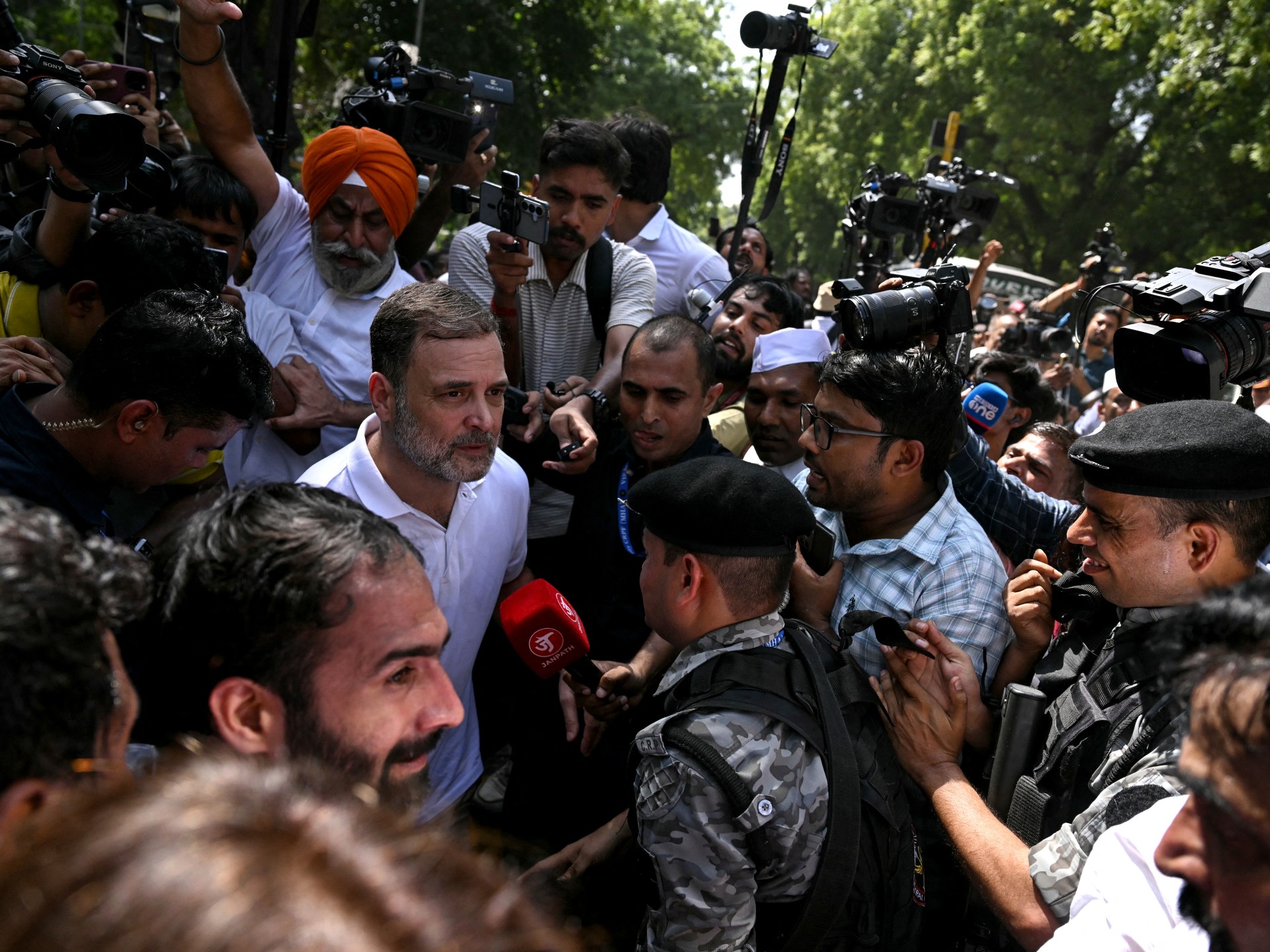
Tensions in New Delhi escalated sharply as prominent opposition figures were briefly detained by law enforcement during a high-stakes protest march directed at the nation's election oversight body. The demonstrators, rallying under a unified banner of various opposition factions, are demanding the immediate resignation of Chief Election Commissioner Gyanesh Kumar. The protests stem from mounting allegations regarding institutional bias, transparency concerns, and the management of recent electoral processes.
The confrontation highlights deep-seated polarization within the world's largest democracy. State actors and political analysts view the friction between the ruling administration and opposition coalitions as a critical stress test for India's constitutional institutions. As political alignments harden, the government faces intensified scrutiny regarding its stewardship of democratic checks and balances, a factor that traditionally influences foreign policy posture and diplomatic engagements with Western democracies.
Global Trade & Economic Ripples
While the protests remain localized within the political sphere of New Delhi, international commodity markets and foreign investors are closely monitoring the stability of the subcontinent. India serves as a vital anchor for regional supply chains, energy consumption, and technology outsourcing. Sustained political friction or widespread civil unrest risks disrupting domestic economic momentum, which could momentarily stall critical infrastructure investments and foreign direct investment inflows.
Global energy markets, particularly regarding refined petroleum products and liquefied natural gas imports, remain sensitive to any domestic policy shifts or administrative paralysis within Indian regulatory bodies. Currency traders are also evaluating the Indian Rupee for potential volatility should domestic political uncertainty widen or provoke protracted legislative gridlock. Major multinational corporations operating within the jurisdiction are reviewing their enterprise risk management protocols to preempt potential logistical disruptions or policy delays.
Related Intelligence: Russian Drone Escalation Targets Ukrainian Rail Network, Disrupting Global Supply Chains
International Reactions & Diplomatic Stances
International bodies and foreign ministries have begun monitoring the evolving situation in India, emphasizing the fundamental importance of upholding democratic norms, institutional independence, and the right to peaceful assembly. While official diplomatic statements remain measured to respect national sovereignty, multilateral organizations focused on governance and human rights have expressed cautious concern over the detention of opposition leaders.
Market analysts and geopolitical risk consultancies note that India's strategic positioning as a counterweight in the Indo-Pacific region means its internal stability remains a priority for allied partners such as the United States, Japan, and European Union member states. Consequently, foreign capitals are balancing diplomatic engagement with strategic observations, ensuring that bilateral trade agreements and defense partnerships remain insulated from domestic electoral disputes.
Strategic Outlook & Future Scenarios Upcoming legislative sessions and forthcoming state-level election cycles will serve as critical indicators of whether domestic political tensions will abate or intensify. Should the opposition sustain its mobilization efforts, the ruling administration may face mounting pressure to initiate administrative reforms or enter into formal dialogues regarding electoral transparency.
For international stakeholders, the primary risk lies in potential policy inertia or legislative delays that could impact pending economic reforms, trade pact negotiations, and infrastructural development timelines. As the political landscape adapts to these mounting pressures, global financial institutions will maintain a cautious posture, factoring domestic governance metrics directly into their long-term South Asian macroeconomic forecasts.
Join Our Official WhatsApp Channel
Receive live commodity alerts, policy changes, and commercial intelligence directly on WhatsApp.