
Indian Democracy at Crossroads as Rahul Gandhi Arrested Amid Electoral Protests
The detention of Indian opposition leader Rahul Gandhi during electoral protests highlights escalating domestic political tensions, posing potential risks for foreign investment and trade confidence in South Asia's core economy.
Geopolitical & Core Developments
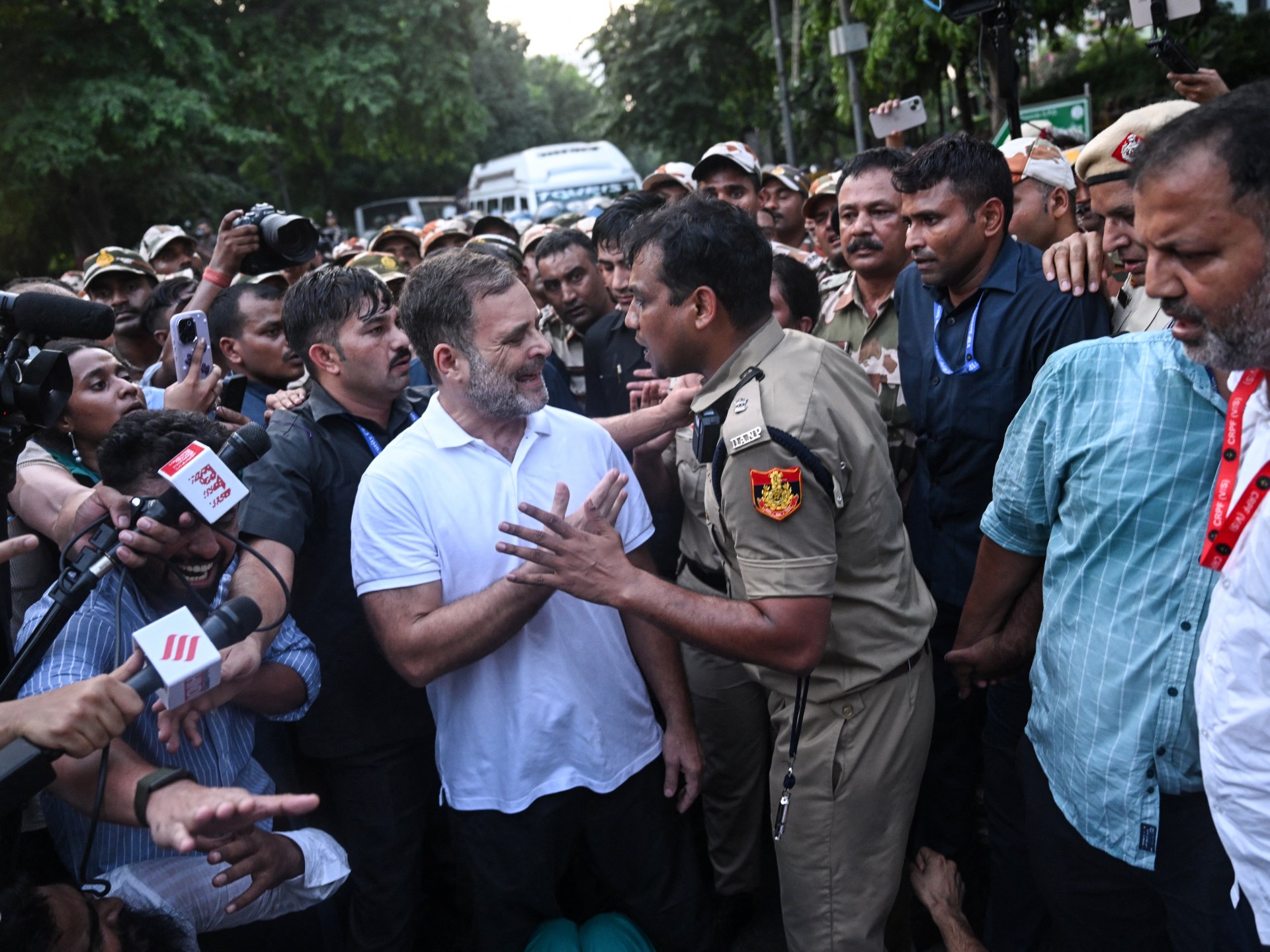
Indian opposition leader Rahul Gandhi was detained by law enforcement authorities during high-stakes demonstrations demanding the immediate resignation of the nation's chief election commissioner. The protests, organized by a coalition of opposition parties, center on allegations of systemic electoral bias and institutional compromise within India's independent oversight bodies. This dramatic escalation brings months of simmering political discontent to the forefront, pitting the ruling administration against a unified opposition bloc determined to challenge the integrity of upcoming electoral cycles. State actors and domestic political analysts view this confrontation as a pivotal moment for Indian democratic institutions, with state security apparatuses deployed heavily across major urban centers to maintain public order and suppress widespread civil disobedience.
The timeline of these events reflects a deteriorating political climate where legislative stalemates have spilled directly onto the streets. The opposition's focal point remains the Election Commission of India, an institution historically revered for its autonomy. By demanding leadership overhauls, opposition figures are effectively calling into question the administrative neutrality underpinning the world's largest electoral exercise. The government, maintaining a firm stance, has defended the independence of statutory bodies while authorizing rigorous crowd-control measures, leading to multiple temporary detentions of high-profile political figures, including Gandhi.
Global Trade & Economic Ripples
While the protests are domestic in origin, their reverberations extend directly into global trade corridors and international financial markets. India represents a critical anchor for South Asian economic stability and a primary alternative manufacturing hub amid ongoing supply chain diversification away from China. Political instability and domestic civil unrest invariably introduce regulatory uncertainty, prompting foreign institutional investors to reassess risk premiums associated with Indian equities, sovereign debt, and direct investments. Key commodity markets, including energy imports, agricultural goods, and technological outsourcing services, monitor these political fault lines for any potential disruptions to domestic logistics or regulatory continuity.
Furthermore, currency markets have registered cautious reactions as foreign exchange traders evaluate the potential for prolonged political polarization to stall crucial economic reforms. Foreign direct investment (FDI) inflows, which rely heavily on perceptions of long-term governance stability and rule of law, could experience temporary cooling if political friction hampers parliamentary productivity or leads to prolonged civil unrest. International shipping lanes and maritime logistics tied to Indian ports remain operational, yet multinational corporations are closely auditing their exposure to regional operational risks.
Related Intelligence: Ultra-Orthodox Rabbi's Anti-Zionist Remarks Stir Israeli Political Crisis
International Reactions & Diplomatic Stances
Global capitals and multilateral organizations are closely observing the unfolding political crisis in New Delhi, balancing diplomatic decorum with concerns over democratic backsliding in a key strategic partner. Western governments, including the United States and European Union member states, view India as an indispensable counterweight in the Indo-Pacific security architecture, tempering formal criticisms with private diplomatic engagements emphasizing the importance of institutional resilience and freedom of expression.
Market analysts and international credit rating agencies have issued cautious advisories, noting that while India's macroeconomic fundamentals remain robust, sustained political turbulence could divert legislative focus away from essential infrastructure spending and fiscal consolidation. International human rights organizations have similarly expressed concern regarding the treatment of opposition figures and the suppression of peaceful assemblies, calling for judicial oversight and adherence to constitutional norms.
Strategic Outlook & Future Scenarios
Looking ahead, the trajectory of Indian politics over the coming months will likely be defined by the legal and political fallout from these protests. If the opposition successfully mobilizes a sustained national movement, the ruling administration may face mounting domestic and international pressure to institute electoral reforms or modify leadership structures within key oversight bodies. Conversely, a hardline government response could deepen political polarization, potentially impacting state-level elections and legislative cooperation.
Upcoming international summits and bilateral dialogues will serve as litmus tests for how foreign partners navigate India's domestic political landscape. While strategic and defense partnerships are expected to remain insulated from short-term political disputes, economic stakeholders must prepare for heightened market volatility as the country navigates this intense phase of democratic contestation.
Join Our Official WhatsApp Channel
Receive live commodity alerts, policy changes, and commercial intelligence directly on WhatsApp.