
Houthi Airport Attacks Spark Gulf Security and Trade Alarm
Coordinated Houthi strikes on two major Saudi international airports kill three foreign nationals and injure 36, escalating regional tensions and threatening critical Gulf supply chains.
The Core Development
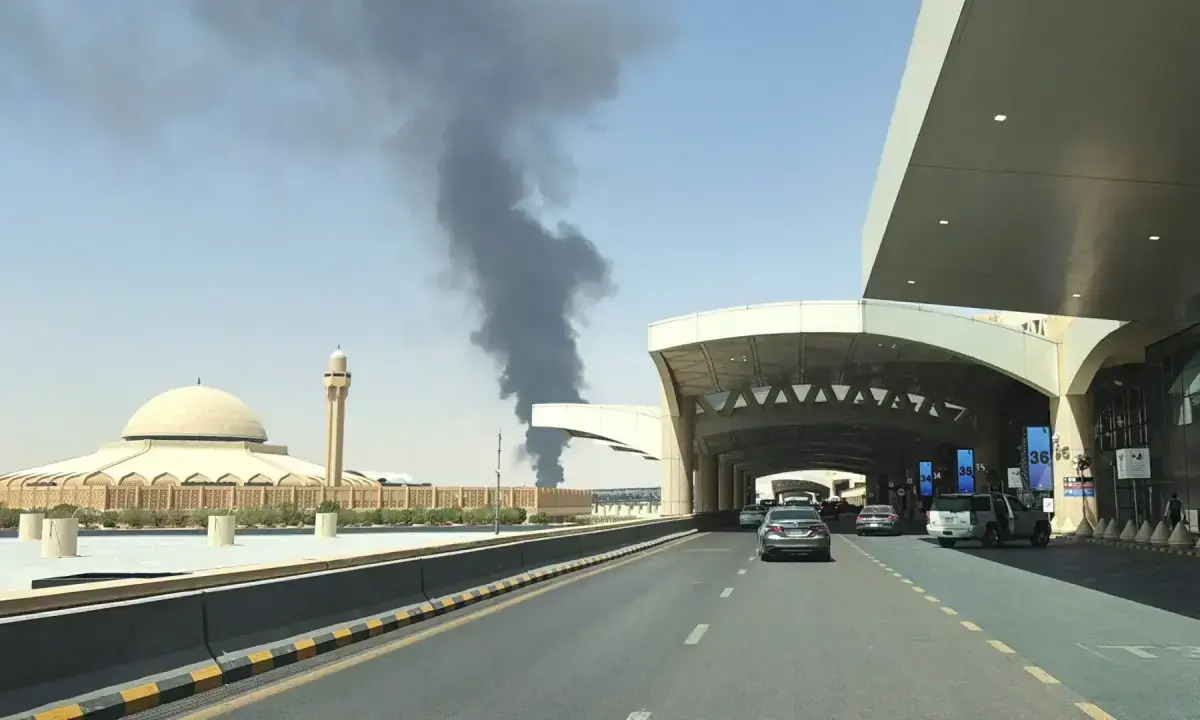
A dramatic escalation in the ongoing regional conflict unfolded this week as Saudi authorities confirmed that three foreign nationals were killed and 36 others wounded in coordinated attacks targeting two of the kingdom's premier international aviation hubs. The strikes impacted King Khalid International Airport in the capital, Riyadh, and Abha International Airport in the kingdom's south. The state-run civil aviation authority reported that the casualties included an Egyptian and an Algerian national killed at Abha, alongside a Sudanese national who succumbed to injuries sustained at the Riyadh facility.
The assaults followed swift claims of responsibility by Yemen's Houthi movement, which asserted it had deployed ballistic missiles and targeted transport infrastructure to protest Saudi military involvement in Yemen. While the kingdom's civil aviation body issued a formal statement detailing the structural damage and casualties on Tuesday and Wednesday, initial official releases omitted explicit attribution, focusing instead on emergency response protocols and the restoration of normal flight operations. Security analysts note that targeting high-profile commercial aviation hubs marks a dangerous tactical shift, moving beyond localized border skirmishes into infrastructure vital to international mobility and commerce.
Commercial & Economic Implications
For trading nations across South Asia, including Pakistan, the militarization of vital Gulf airspace and transport nodes introduces severe economic anxieties. The Gulf Cooperation Council states serve as critical arteries for Pakistan's trade, energy imports, and worker remittances. Any disruption to aviation corridors or cargo handling at King Khalid International Airport directly impacts freight forwarding, air cargo logistics, and perishable export shipments from Karachi and Lahore.
Furthermore, heightened security postures across Saudi airports threaten to inflate insurance premiums for commercial airlines and cargo carriers operating within the Middle East. For Kalyar Traders and the broader business community, these logistics friction points risk driving up shipping costs, delaying critical industrial inputs, and exerting upward pressure on domestic fuel prices through interconnected global energy markets. A prolonged security crisis in the Arabian Peninsula inevitably ripples outward, straining supply chains that underpin retail trade and wholesale distribution across South Asia.
Related Intelligence: Houthi Airport Strikes Kill Three Foreign Nationals as Regional Tensions Escalate
Stakeholder Perspectives & Market Reactions
International trade associations and regional chambers of commerce have expressed deep concern over the vulnerability of civil aviation infrastructure. Logistics operators in Pakistan's primary commercial hubs have called for heightened vigilance and contingency planning among freight forwarders managing Middle Eastern corridors. Industry representatives emphasize that secure trade routes are paramount for maintaining the flow of essential commodities and manufactured goods between Pakistan and the Gulf states.
Legal and geopolitical experts argue that targeting civilian airports violates international humanitarian norms, prompting renewed diplomatic calls for a negotiated settlement in Yemen. Meanwhile, foreign ministries across the region have urged restraint, warning that protracted instability in Saudi airspace jeopardizes millions of expatriate workers and destabilizes broader financial markets.
Forward Outlook & Key Watchpoints
As Saudi defense forces review air defense protocols following the breach, market watchers are closely monitoring potential military retaliation and its subsequent impact on regional stability. Key indicators to watch include international airline schedule adjustments, air cargo rate fluctuations across Middle Eastern hubs, and diplomatic initiatives led by regional intermediaries.
For Pakistani enterprises with commercial exposure to the Gulf, navigating this volatile environment requires diversified logistics strategies and real-time risk assessment. The trajectory of the Yemen conflict over the coming weeks will ultimately determine whether these airport strikes remain isolated incidents or signal a prolonged period of commercial uncertainty across the Arabian Peninsula.
Join Our Official WhatsApp Channel
Receive live commodity alerts, policy changes, and commercial intelligence directly on WhatsApp.