
Israel Debuts at Morocco Air Show Amid Defense Expansion
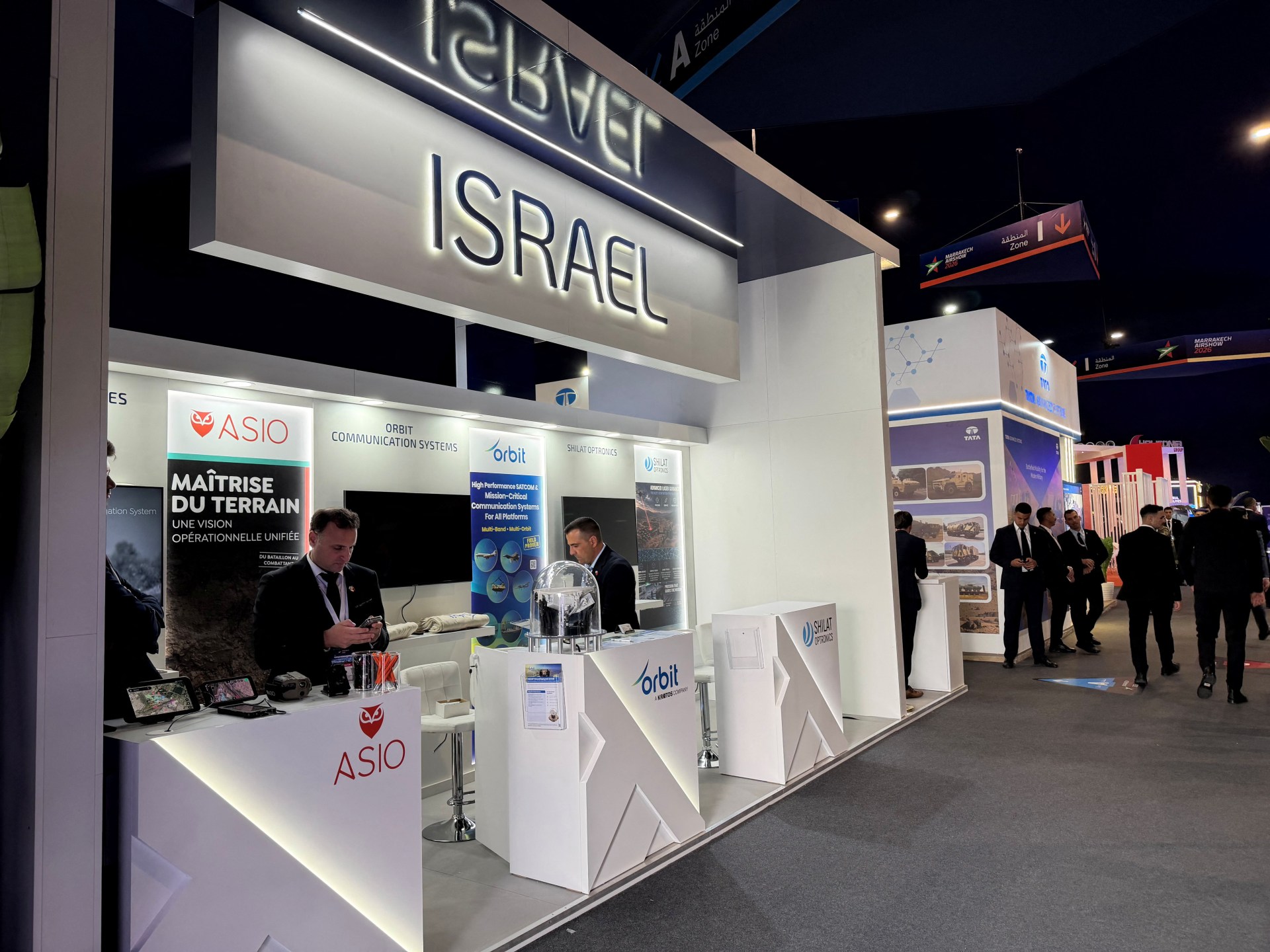
Israel has inaugurated its first national pavilion at Morocco's Marrakech Air Show, marking a significant milestone in defense and diplomatic cooperation between the two nations.
Geopolitical & Core Developments
In a landmark diplomatic and defense milestone, Israel has established its first-ever official national pavilion at the Marrakech Air Show in Morocco. This strategic presence brings together leading Israeli military contractors and aerospace corporations to showcase advanced defense technologies, unmanned aerial systems, and radar infrastructure. The move formalizes a rapidly accelerating security partnership that blossomed following the normalization of diplomatic relations under the Abraham Accords.
The deployment of prominent Israeli defense firms to Moroccan soil underscores a profound strategic realignment in North Africa and the Middle East. By institutionalizing defense trade cooperation, both nations are creating formal channels for joint military-industrial collaboration, technology transfer, and intelligence sharing. This institutionalization moves bilateral ties beyond mere diplomatic recognition into deeply integrated operational and industrial dependencies, altering the traditional balance of power across the Mediterranean and the Maghreb.
[Global Trade](/news/wto-upgrades-global-trade-forecast-pakistan-gains-middle-east-disruptions) & Economic Ripples
The integration of Israeli defense technology into Morocco's military apparatus triggers notable ripples across international arms markets and global commodity supply chains. Specialized aerospace manufacturing requires critical raw materials, including rare earth elements, aerospace-grade titanium, and advanced carbon composites. As defense procurement between Jerusalem and Rabat expands, demand patterns for these strategic commodities are shifting toward specialized suppliers capable of meeting stringent military specifications.
Furthermore, this partnership stimulates commercial aerospace and logistics investments within North Africa. Morocco is increasingly positioning itself as a regional hub for advanced manufacturing and maintenance, repair, and overhaul (MRO) services. Global trade financiers and commodity houses are closely monitoring these developments, as heightened defense spending in North Africa and the Middle East directly influences regional sovereign risk assessments, foreign direct investment inflows, and maritime security along critical shipping lanes in the Strait of Gibraltar and the Western Mediterranean.
Related Intelligence: WTO Upgrades Global Trade Forecast as Pakistan Gains from Middle East Disruptions
International Reactions & Diplomatic Stances
Regional neighbors and international observers have responded to the deepened military-industrial cooperation with a mixture of strategic calculation and diplomatic apprehension. While Western allies, including the United States and several European Union member states, view the Israel-Morocco defense partnership as a stabilizing anchor for counter-terrorism and maritime security, rival regional actors have expressed concern over shifting military capabilities in North Africa.
Multilateral institutions and international trade analysts note that the formalization of defense corridors between Israel and North African states complicates existing regional rivalries, particularly regarding territorial disputes and arms races in the Maghreb. Market analysts emphasize that defense exports are increasingly utilized as instruments of statecraft, intertwining commercial aerospace contracts with long-term geopolitical alliances and diplomatic leverage.
Strategic Outlook & Future Scenarios
Looking ahead, the trajectory of Israeli-Moroccan defense cooperation points toward deeper joint manufacturing initiatives and expanded technological integration. Future bilateral summits are expected to focus on co-production agreements for unmanned defense systems, cybersecurity infrastructure, and satellite communications technology.
However, this strategic convergence carries inherent geopolitical escalation points. Heightened tensions across the wider Middle East and North Africa could subject these emerging commercial and military ties to severe diplomatic stress tests. Global corporations and defense contractors operating in the region must navigate complex regulatory environments, export control regimes, and potential shifts in multilateral sanctions policy as the geopolitical landscape continues to evolve at a rapid pace.
Join Our Official WhatsApp Channel
Receive live commodity alerts, policy changes, and commercial intelligence directly on WhatsApp.