
Religious Tensions in India Threaten Social Stability and Trade Confidence
Escalating sectarian tensions in India following the partial demolition of a historic mosque highlight underlying social risks that threaten investor confidence and domestic stability in key emerging markets.
Geopolitical & Core Developments
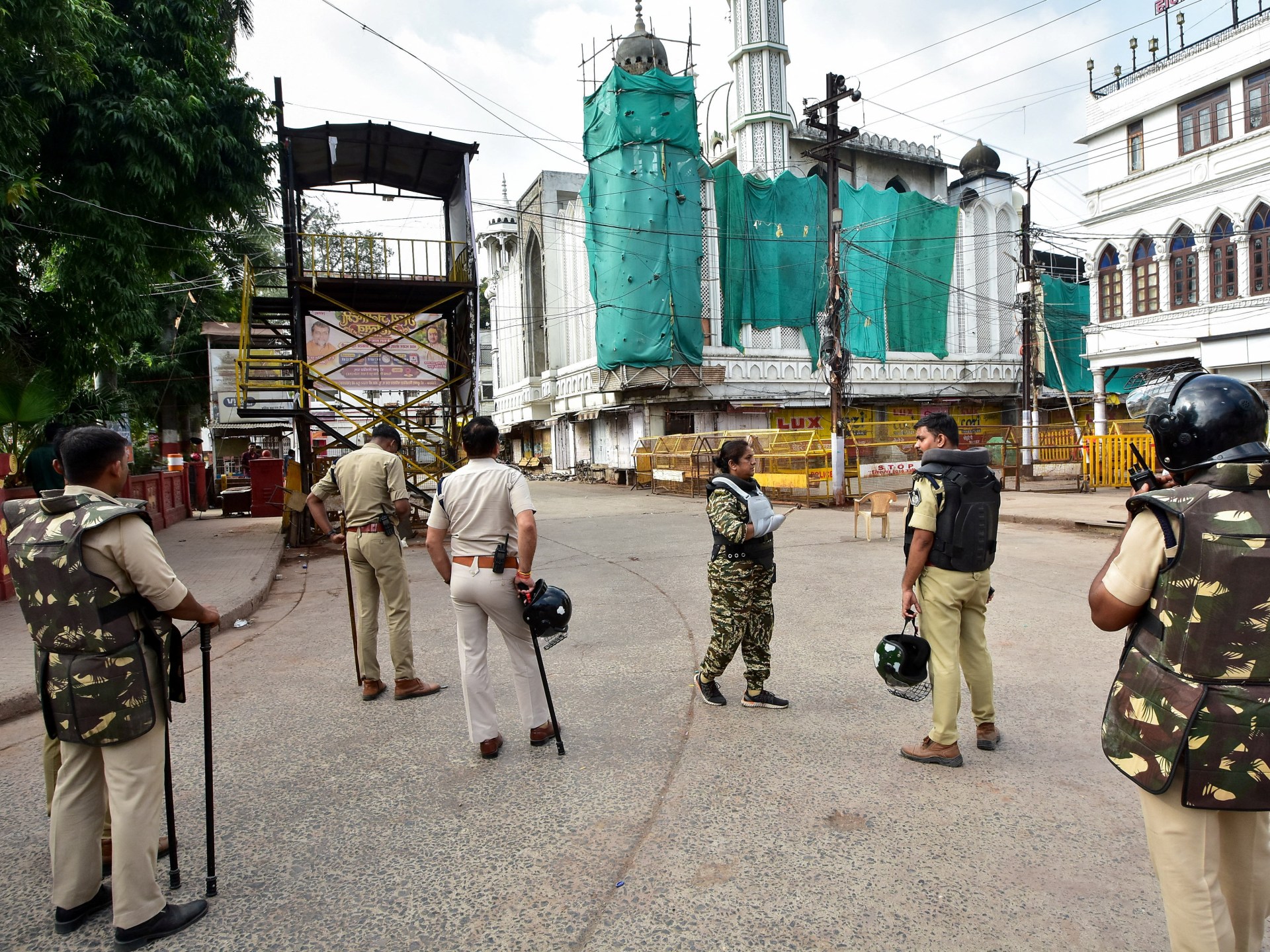
Tensions have reached a critical juncture in the central Indian city of Ujjain, located in Madhya Pradesh, following the partial demolition of the historic Shahi Mosque. In an unprecedented move driven by fear of total state-sanctioned destruction ahead of a major Hindu pilgrimage, members of the local Muslim community volunteered to dismantle parts of the centuries-old structure themselves. This incident underscores a broader, accelerating trend of majoritarian policies under the current administration, which critics argue systematically marginalizes religious minorities.
The timeline of the event reflects rapid escalation. Local municipal authorities issued notices citing urban expansion and pilgrimage infrastructure requirements, targeting religious structures perceived as encroachments. Rather than facing heavy-handed state demolition machinery—a tactic increasingly employed across several Indian states against minority properties—community leaders opted for self-demolition to salvage architectural relics and prevent widespread rioting. However, this compliance has done little to soothe deep-seated anxieties, setting a precarious precedent for civil liberties, freedom of worship, and the rule of law in the world's most populous democracy.
Global Trade & Economic Ripples
While localized religious disputes appear distant from international commerce, multinational corporations and foreign institutional investors view domestic stability as a primary barometer for market entry and operational continuity. India has aggressively positioned itself as a reliable alternative manufacturing hub to China, aiming to attract global supply chains through initiatives like 'Make in India' and substantial infrastructure investments.
However, persistent social friction and inter-communal polarization introduce severe reputational and operational risks. Global brands operating or sourcing from India face mounting pressure from international shareholders regarding environmental, social, and governance (ESG) metrics. Supply chain disruptions, localized curfews, internet blackouts, and civil unrest directly threaten manufacturing output, logistics corridors, and port efficiency. Furthermore, prolonged instability can deter foreign direct investment (FDI), dampen consumer sentiment, and cause short-term volatility in the Indian rupee as capital flight risks re-emerge.
Related Intelligence: Gaza Strike Casualties Deepen Middle East Crisis and Supply Risks
International Reactions & Diplomatic Stances
The developments in Ujjain have drawn cautious concern from international observers and human rights monitors, though major trading partners have largely balanced diplomatic engagement with economic pragmatism. Western capitals, eager to deepen strategic and defense ties with New Delhi to counter broader Indo-Pacific security challenges, frequently navigate domestic human rights issues with diplomatic restraint.
Multilateral bodies, including various United Nations human rights rapporteurs, have previously flagged the increasing frequency of discriminatory rhetoric and property demolitions targeting minorities in India. International market analysts warn that while bilateral trade agreements and strategic dialogues will likely proceed unaffected in the near term, persistent domestic polarization could complicate broader diplomatic frameworks and stall consensus on multilateral trade pacts. Investors are increasingly factoring sociopolitical risk premiums into their long-term capital allocation strategies for South Asia.
Strategic Outlook & Future Scenarios
As India approaches critical electoral cycles and continues preparations for high-profile national infrastructure and religious tourism projects, the trajectory of domestic communal relations remains a central vulnerability. The precedent set in Ujjain—where minority communities feel compelled to dismantle their own heritage to appease state authorities—signals a troubling erosion of constitutional protections.
For international markets, the upcoming quarters will test whether state governments can balance rapid infrastructure development with inclusive governance. Escalation points include potential legal challenges in higher courts, localized boycotts, and heightened scrutiny from international ESG rating agencies. Global commodity traders and supply chain architects must continuously monitor these socio-political friction points to insulate their operations against sudden regulatory shifts, civil unrest, and potential reputational fallout in one of the world's most vital emerging economies.
Join Our Official WhatsApp Channel
Receive live commodity alerts, policy changes, and commercial intelligence directly on WhatsApp.