
India Student Crackdown Risks Domestic Instability and Trade Fallout
India faces mounting domestic turmoil as student movements vow to continue protests against state crackdowns, raising concerns among international investors and trading partners.
Geopolitical & Core Developments
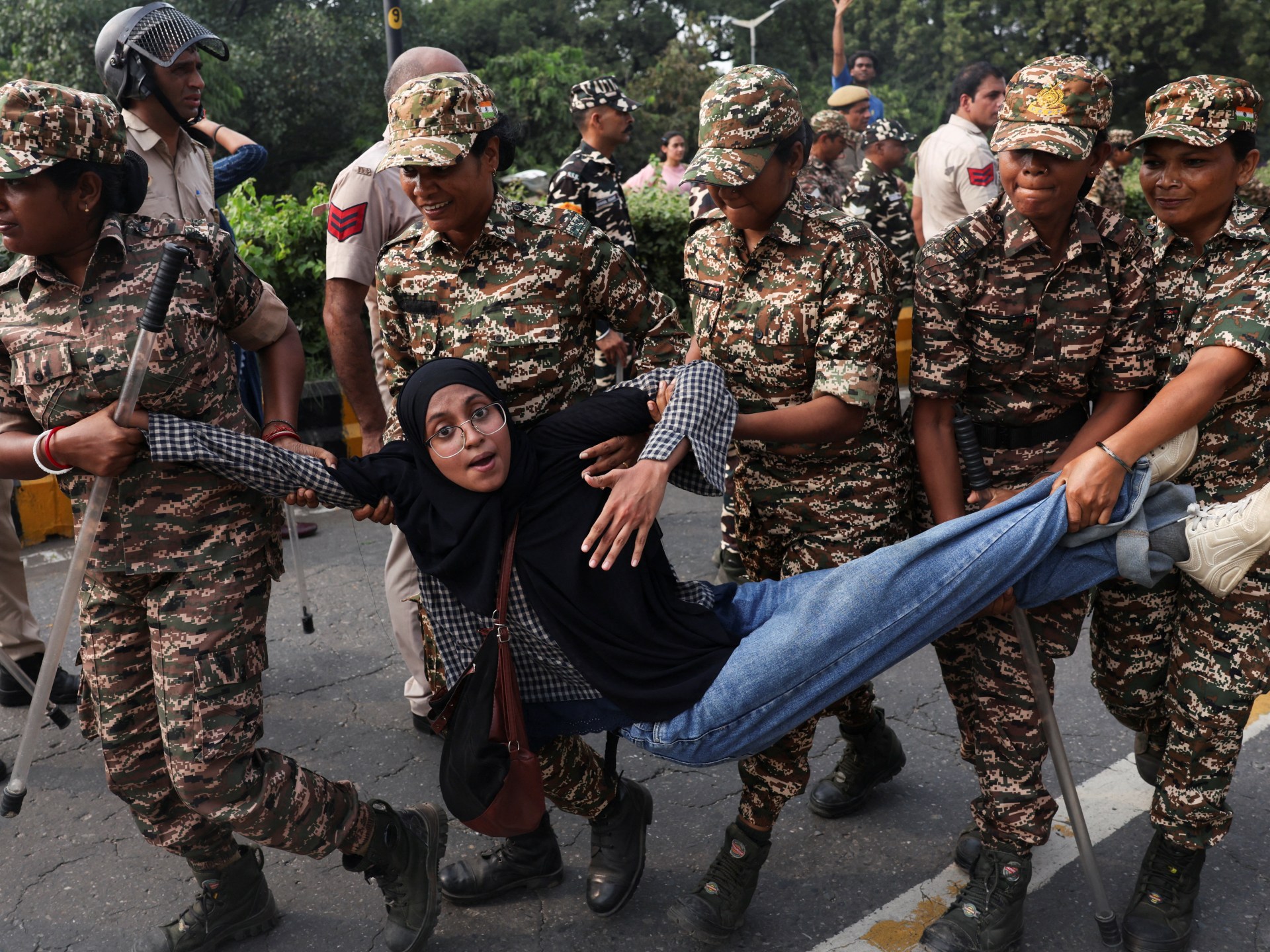
India is experiencing a profound internal political crisis as state authorities intensify their crackdown on burgeoning youth-led demonstrations. Popularly dubbed the 'cockroach' movement due to its resilient, decentralized nature, student groups across major urban centers have declared that protests will persist despite aggressive police interventions and mass detentions. The unrest, sparked by grievances over governance, employment, and civil liberties, represents a significant challenge to the central administration's control over domestic narrative and public assembly. State actors have deployed heavy security apparatuses to deter gatherings, leading to clashes that have drawn sharp international scrutiny. Diplomatic observers note that the suppression of student activism touches upon broader questions of democratic backsliding in the world's most populous democracy, altering New Delhi's soft power appeal on the global stage.
Global Trade & Economic Ripples
While the demonstrations remain primarily sociopolitical, the underlying instability carries latent risks for global commerce and international trade. India is a critical anchor in South Asian economic corridors and a vital destination for foreign direct investment (FDI). Prolonged domestic unrest threatens to disrupt urban productivity, consumer confidence, and the operational continuity of major commercial hubs. Global commodity markets and institutional investors closely monitor such developments for signs of regulatory unpredictability or supply chain friction, particularly in technology outsourcing, manufacturing sectors, and domestic consumption indices. Currency markets have also shown sensitivity to domestic political risk premiums, with foreign institutional investors exhibiting cautious posture amid rising domestic friction.
Related Intelligence: Novel Sweet Protein Brazzein Emerges as Catalyst for Global Health and Commodity Shifts
International Reactions & Diplomatic Stances
The escalation of state measures against demonstrators has elicited measured responses from international observers and human rights organizations. Multilateral bodies, including specialized agencies within the United Nations framework, have reiterated the fundamental importance of protecting freedom of expression and peaceful assembly. Western capitals have maintained a delicate diplomatic balance, eager to preserve strategic defense and trade partnerships with New Delhi while privately expressing concern over the trajectory of civil liberties. Regional trade partners and emerging market analysts emphasize that domestic stability remains a core prerequisite for India's aspirations of sustained economic leadership and manufacturing self-sufficiency.
Strategic Outlook & Future Scenarios
Looking ahead, the trajectory of the 'cockroach' movement will depend heavily on the administration's willingness to engage in political dialogue versus doubling down on security-led containment. Upcoming electoral cycles and legislative sessions will serve as critical barometers of political risk. If the government fails to address the root socioeconomic grievances of the youth demographic, sporadic unrest could morph into a persistent structural challenge, potentially impacting foreign investment inflows and dampening consumer sentiment. Conversely, a negotiated de-escalation could restore market confidence, reinforcing India's status as a stable investment destination within the broader Indo-Pacific strategic architecture.
Join Our Official WhatsApp Channel
Receive live commodity alerts, policy changes, and commercial intelligence directly on WhatsApp.