
India-Pakistan Cricket Rivalry Ignites Economic and Cultural Waves in Japan
The India-Pakistan cricket final at the Asian Games in Japan galvanized expatriate communities, sparking localized commercial activity and underscoring the massive economic pull of the sport's greatest rivalry.
The Core Development
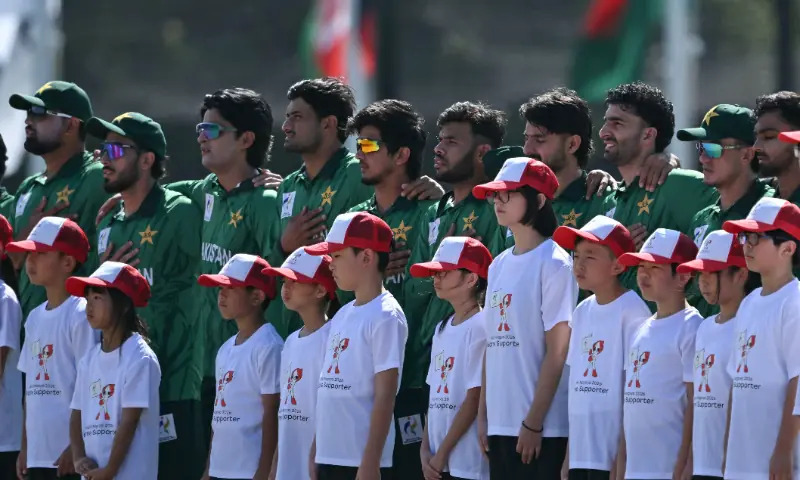
One of global sport's most intense rivalries manifested in an unexpected setting as India and Pakistan locked horns in the men's cricket final at the Asian Games, hosted on a specially converted baseball field in a suburban corner of Nagoya, Japan. The gold-medal encounter at the intimate, 2,500-capacity Korogi Athletic Park Stadium drew massive crowds of expatriates who lined up hours before the fixture commenced. Due to enduring geopolitical tensions between Islamabad and New Delhi, bilateral series remain suspended, restricting these high-stakes clashes exclusively to major multi-nation tournaments. While traditional matches command television audiences numbering in the hundreds of millions across South Asia, this Japanese iteration offered a rare, localized spectacle for the diaspora residing in East Asia. The conversion of a baseball diamond into a cricket arena highlighted the logistical adaptability of the tournament organizers, even as fans packed the stands to witness the pinnacle of Asian amateur and semi-professional athletic competition.
Commercial & Economic Implications
While international cricket fixtures primarily generate revenue through broadcasting rights, digital streaming monetization, and corporate sponsorships involving multinational conglomerates, localized events of this magnitude create immediate micro-economic impacts. For the expatriate business community in Japan, particularly South Asian merchants operating grocery stores, restaurants, and import-export ventures, the influx of thousands of fans into Nagoya catalyzed a surge in retail trade and hospitality demand. Food vendors, merchandise distributors, and local transport networks experienced a temporary boost in commercial turnover. Furthermore, the global broadcast feeds and heightened digital engagement reinforce the commercial valuation of cricket as a premier sports-entertainment product. For Pakistan's domestic market, high-profile matches against India heavily influence advertising revenues for domestic television networks, telecommunication operators, and consumer goods brands that leverage the emotional resonance of the rivalry to drive quarterly sales and consumer spending.
Related Intelligence: US Capital Punishment Scrutiny Reshapes International Trade and Diplomatic Norms
Stakeholder Perspectives & Market Reactions
Commercial stakeholders, expatriate associations, and business councils viewed the Nagoya fixture as a testament to the enduring cultural and economic gravity of South Asian cricket. Retail associations noted that major tournament days reliably trigger spikes in sales of packaged foods, beverages, and telecommunication data packages as fans tune into live streaming platforms. Concurrently, sports marketing analysts emphasized that despite the geopolitical barriers preventing bilateral bilateral series, the commercial framework surrounding major tournament encounters remains extraordinarily lucrative. Broadcasters and corporate sponsors continue to command premium advertising rates, proving that the economic engine powered by India-Pakistan fixtures transcends geographical boundaries, finding commercial viability even in non-traditional cricket markets like Japan.
Forward Outlook & Key Watchpoints
Looking ahead, sports administrators and commercial partners will closely monitor the broader economic returns of multi-sport games and neutral-venue tournaments. As international sporting bodies increasingly explore non-traditional markets for cricket expansion—aligning with the sport's upcoming inclusion in global showcases—retailers and investors are evaluating the long-term viability of establishing permanent cricket infrastructure in regions with growing South Asian populations. For businesses operating in Pakistan, upcoming tournament schedules and broadcasting rights negotiations remain critical milestones influencing advertising budgets and media sector valuations through the fiscal year.
Join Our Official WhatsApp Channel
Receive live commodity alerts, policy changes, and commercial intelligence directly on WhatsApp.