
Humanitarian Crisis in Ceuta Deepens Amid Border Security Strains
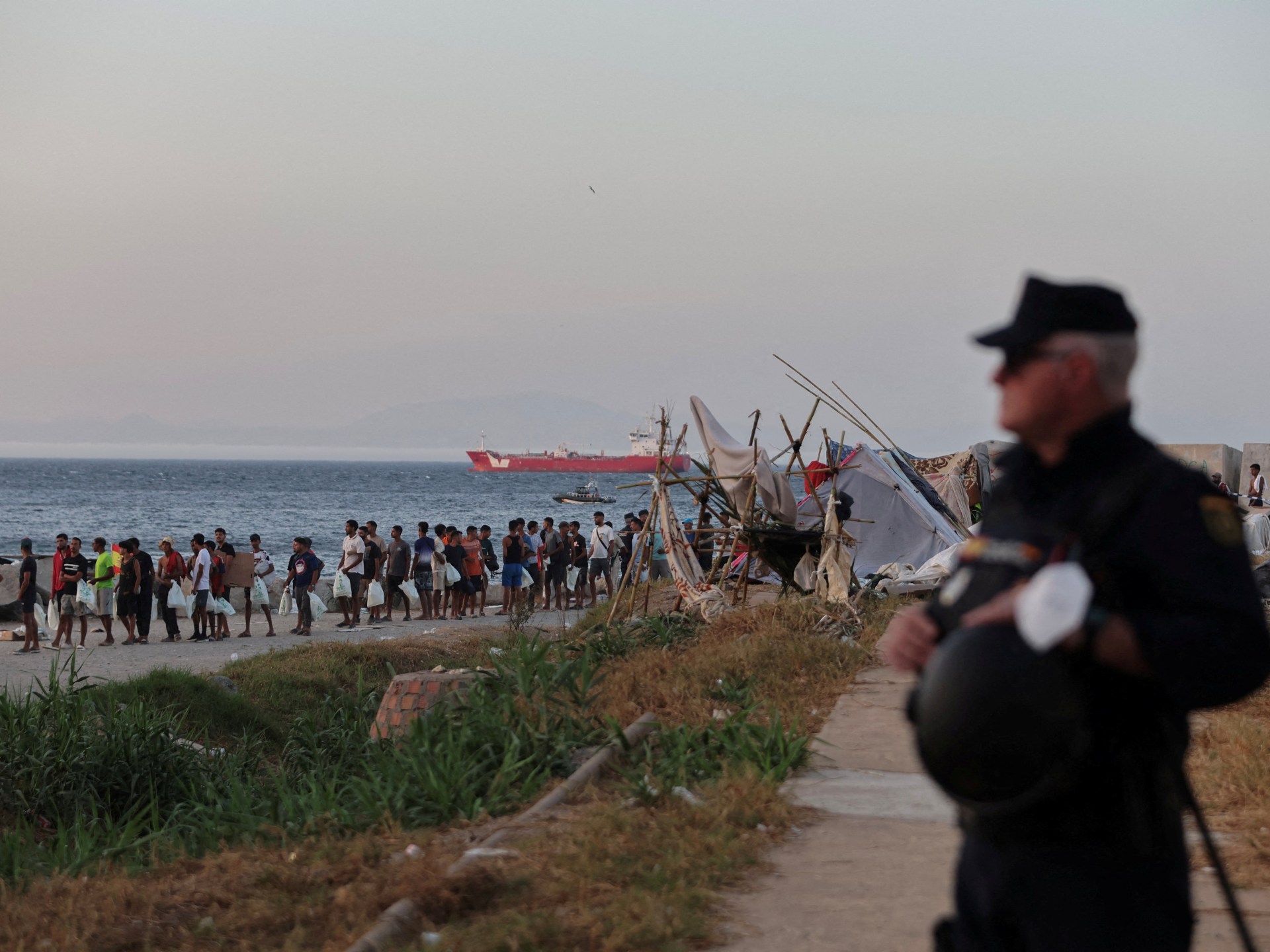
The humanitarian emergency in Ceuta worsens as thousands face harsh conditions, highlighting deep diplomatic tensions between Spain and Morocco over border management and migration control.
Geopolitical & Core Developments
The humanitarian crisis unfolding in the Spanish autonomous enclave of Ceuta has intensified significantly, as thousands of displaced individuals remain stranded in overcrowded and precarious conditions. This escalation underscores the complex geopolitical friction at the southern border of the European Union, where North African migration pressures meet stringent European border policies. The situation has severely strained bilateral relations between Madrid and Rabat, testing diplomatic frameworks established to manage security, intelligence sharing, and cross-border movement. As individuals await administrative and legal determinations regarding their status, reports of inadequate shelter, limited humanitarian aid, and alleged procedural abuses have drawn sharp criticism from international human rights organizations, forcing governments to re-evaluate migration governance in the Western Mediterranean corridor.
Global Trade & Economic Ripples
While primarily a humanitarian and diplomatic crisis, prolonged instability along the Strait of Gibraltar carries latent risks for regional commerce and supply chain integrity. The Strait is a vital maritime chokepoint connecting Atlantic and Mediterranean shipping lanes, supporting substantial commercial exchange between Europe and Africa. Sustained political friction or heightened security enforcement at ports such as Algeciras and Tanger-Med can introduce friction into logistics networks, affecting perishable agricultural supply chains, automotive components transport, and energy transit corridors. Although direct disruptions to global commodity pricing remain contained, insurance premiums and security overheads for regional logistics operators face upward pressure as maritime authorities maintain heightened surveillance across the crossing.
International Reactions & Diplomatic Stances
International bodies and human rights organizations have expressed mounting alarm over the conditions in Ceuta. The United Nations High Commissioner for Refugees (UNHCR) has issued urgent calls for expanded access to asylum procedures, medical care, and humane reception facilities, emphasizing that humanitarian obligations must supersede strict security enforcement. Meanwhile, Brussels has reiterated its support for Spanish border authorities while stressing the necessity of upholding fundamental rights and international conventions. Diplomatic analysts note that the crisis has exposed deep fractures within European Union migration policy, complicating ongoing negotiations for a cohesive Euro-African pact on economic mobility and border management.
Strategic Outlook & Future Scenarios
Looking ahead, the trajectory of the Ceuta crisis will depend heavily on high-level bilateral negotiations between Spain and Morocco, alongside broader EU financial and logistical support for North African border states. Upcoming ministerial summits are expected to focus on reinforced containment strategies paired with increased developmental aid to address root causes of migration. However, failure to establish sustainable humanitarian corridors and equitable burden-sharing mechanisms among European member states risks triggering further political escalation, potential retaliatory diplomatic postures, and enduring instability along one of the world's most sensitive geopolitical fault lines.
Join Our Official WhatsApp Channel
Receive live commodity alerts, policy changes, and commercial intelligence directly on WhatsApp.