
Gaza Food Crisis Reaches Catastrophic Levels Threatening Regional Stability
Public health authorities report unprecedented levels of malnutrition in Gaza, with projections warning that severe food insecurity will destabilize the enclave and broader regional supply frameworks through 2026.
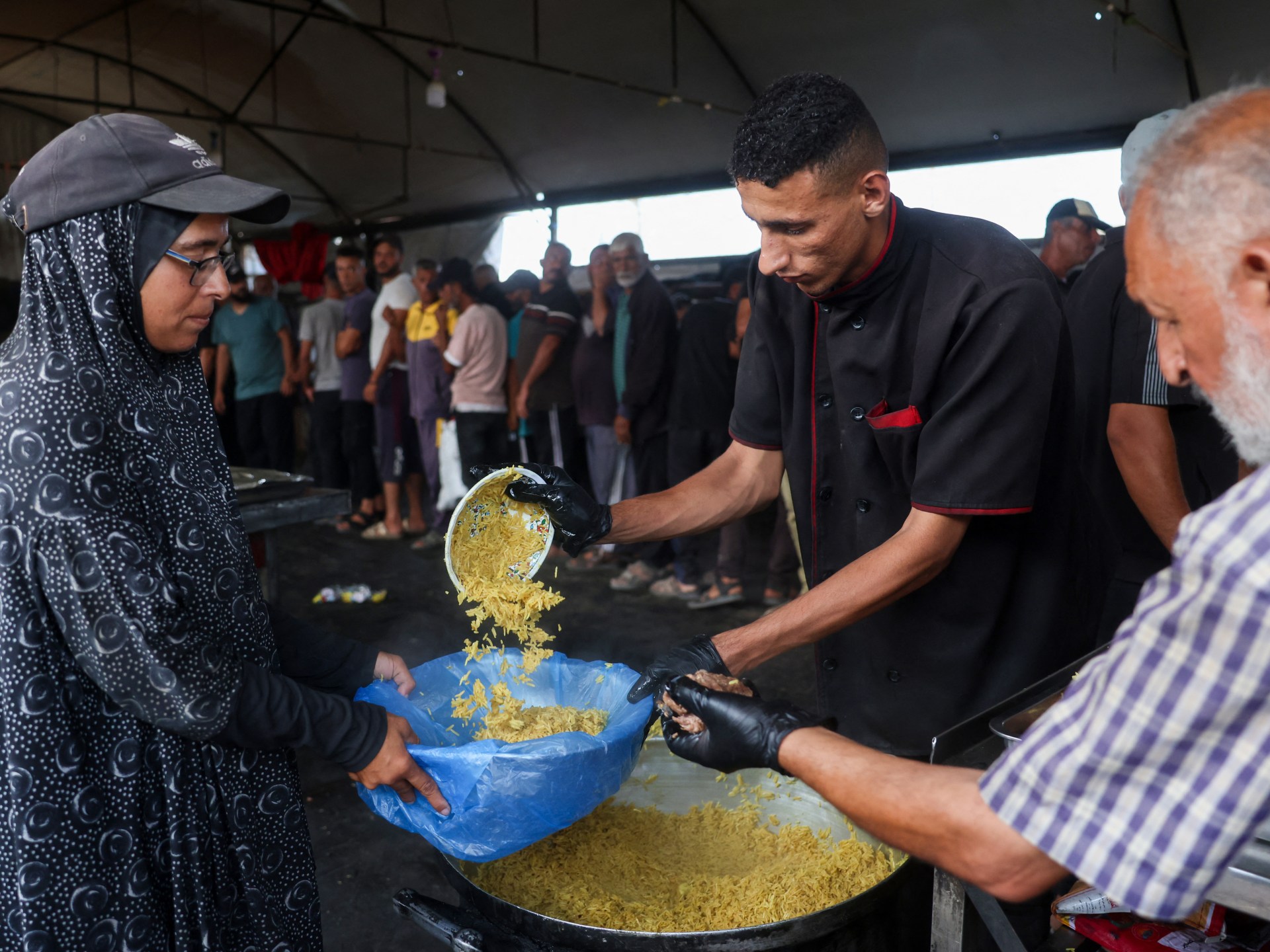
Geopolitical & Core Developments
The humanitarian landscape across the Gaza Strip has deteriorated to unprecedented thresholds, according to comprehensive assessments released by local health authorities and international monitoring networks. Official health monitors confirm that malnutrition and acute starvation have crossed catastrophic benchmarks, with projections indicating that approximately 67 percent of the enclave's population will face crisis-level food insecurity or worse extending through the end of 2026. The prolonged breakdown of civil infrastructure, compounded by persistent logistical blockades and border transit restrictions, has effectively halted the regular ingress of basic agricultural and medical staples.
This sustained deprivation highlights deep-seated geopolitical fault lines involving regional powers, international donors, and military actors. Aid agencies emphasize that administrative hurdles, contested crossing points such as Rafah and Kerem Shalom, and ongoing combat maneuvers have severed commercial networks. As sovereign states attempt to mediate structural ceasefires, the baseline biological survival of the civilian population has emerged as an urgent variable shaping diplomatic negotiations, recalibrating expectations for any near-term geopolitical normalization in the eastern Mediterranean basin.
Global Trade & Economic Ripples
While predominantly a humanitarian catastrophe, the persistent volatility surrounding Gaza carries distinct secondary ramifications for global trade corridors and commodity logistics. Maritime passage through the Red Sea and the Bab al-Mandeb strait remains intimately tied to public sentiment and non-state militia actions linked to the conflict. Commercial shipping conglomerates continue to reroute high-tonnage container vessels around Africa's Cape of Good Hope, adding upward pressure on ocean freight benchmarks, maritime insurance premiums, and transit durations between Asia and Europe.
Simultaneously, the regional supply chain for essential agricultural commodities, including wheat, pulses, and specialized nutritional formulas, has seen localized disruptions. Multilateral procurement bodies, such as the World Food Programme, face elevated operational expenditures due to surging logistical friction and security overheads. These expenditures divert capital away from broader developmental mandates across emerging markets. Furthermore, regional sovereign debt yields in neighboring transit states reflect persistent geopolitical risk discounts, limiting cross-border capital expenditure and complicating sovereign bond issuances across North Africa and the Levant.
Related Intelligence: Zelensky Courts European Backing Amid Strained Washington Ties and Aid Uncertainty
International Reactions & Diplomatic Stances
The worsening nutritional indicators have provoked sharp responses across multilateral institutions and sovereign diplomatic corridors. United Nations officials have repeatedly characterized the situation as a structural failure of international humanitarian law, demanding unconditional, unhindered commercial access alongside emergency relief convoys. The International Court of Justice and various humanitarian rapporteurs have issued continuous alerts detailing the legal obligations of occupying authorities to safeguard civilian provisioning.
Western capitals face expanding domestic and multilateral pressure to condition military or financial engagements on the verifiable facilitation of caloric aid. Conversely, key regional stakeholders, including Egypt, Jordan, and Gulf Cooperation Council members, have reiterated that long-term regional integration initiatives remain untenable while structural deprivation persists unabated. Diplomatic communiqués from European capitals have increasingly diverged from absolute alignment with military operational objectives, instead emphasizing that widespread child wasting and systemic famine undermine any viable post-conflict governance framework.
Strategic Outlook & Future Scenarios
The trajectory of the crisis points toward institutionalized vulnerability that could outlast active hostilities. Should current logistical restrictions and commercial embargoes persist, the projected timeline stretching through 2026 implies a multi-generational public health disaster, characterized by irreversible developmental stunting and chronic morbidity among surviving cohorts.
From a strategic vantage, failure to resolve the nutritional deficit threatens to derail prospective normalization treaties across the Middle East. Observers anticipate that upcoming sessions at the United Nations General Assembly and associated multilateral summits will pivot toward enforceable aid corridor mandates, potentially backed by third-party maritime inspections or enhanced unilateral sanctions targeting actors obstructing relief. Without a systemic shift toward commercial reopening and comprehensive infrastructure rehabilitation, the enclave will remain a persistent flashpoint for broader geopolitical escalation, volatile shipping routes, and global diplomatic polarization.
Join Our Official WhatsApp Channel
Receive live commodity alerts, policy changes, and commercial intelligence directly on WhatsApp.