
Houthi Airport Strikes Kill Three Foreign Nationals as Regional Tensions Escalate
Fatal Houthi drone strikes on Saudi Arabian airports claim the lives of three foreign nationals, escalating regional security risks and heightening concerns over critical energy infrastructure and trade routes.
Geopolitical & Core Developments
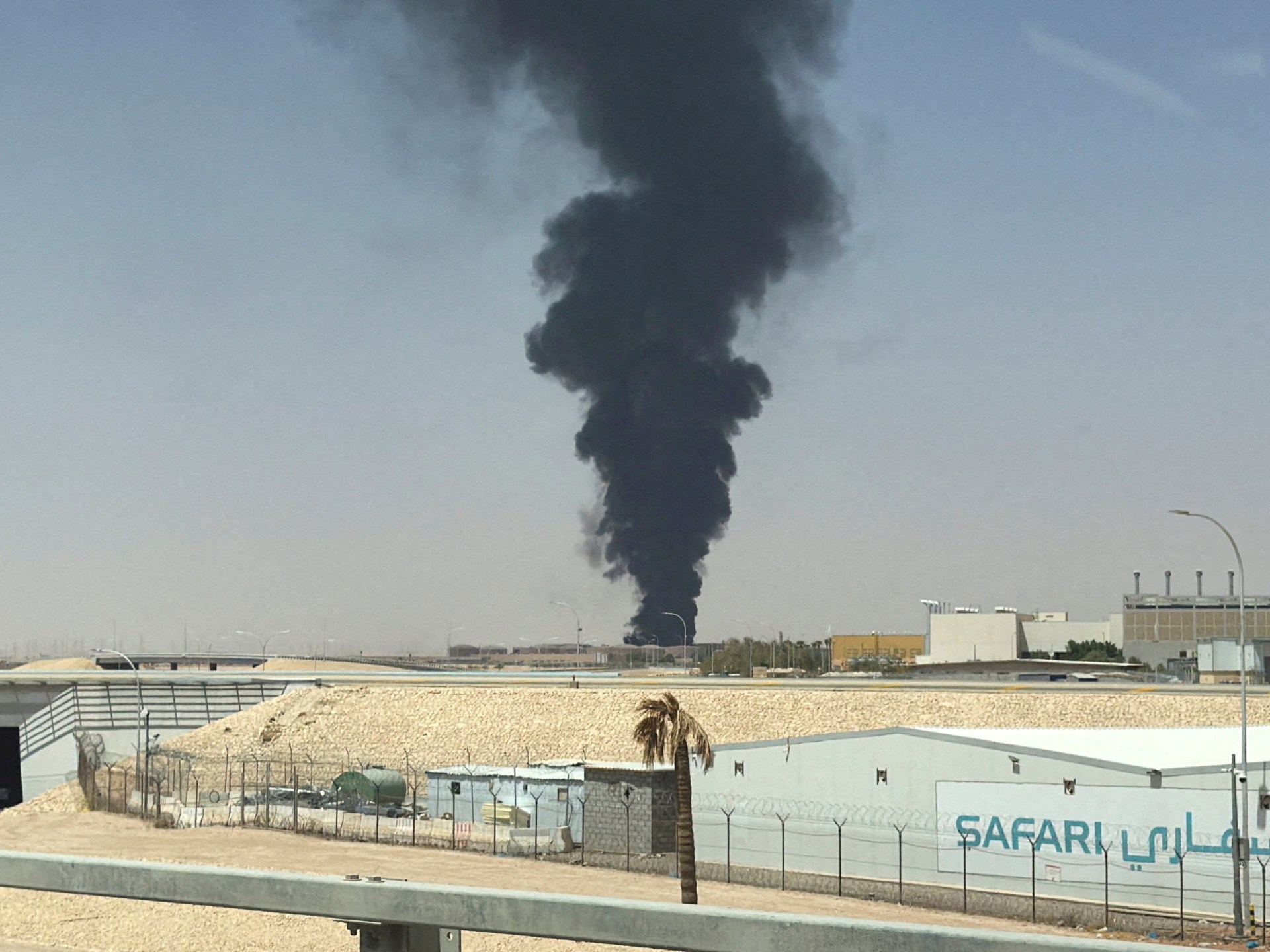
Tensions across the Arabian Peninsula reached a dangerous new threshold following a series of coordinated aerial assaults attributed to Yemen's Houthi movement targeting vital infrastructure within the Kingdom of Saudi Arabia. According to official reports and verified security briefings, strikes impacting facilities in Abha and the capital city of Riyadh resulted in the deaths of three foreign nationals. The casualties included two women, one of Moroccan nationality and the other Algerian, who perished in the Abha attack, alongside a Sudanese national killed during the incident in Riyadh.
These cross-border incursions represent a significant intensification of hostilities in a protracted regional conflict that has continuously defied international diplomatic efforts. The utilization of advanced loitering munitions and ballistic projectiles against civilian airports underscores the evolving tactical capabilities of the insurgent group and exposes vulnerabilities in regional air defense networks. State actors and intelligence analysts have noted that the strikes are part of an ongoing campaign designed to exert maximum pressure on the Saudi-led coalition through asymmetric warfare. The direct targeting of aviation hubs not only threatens domestic stability but also challenges the sovereignty and territorial integrity of the Kingdom, prompting immediate security reviews at all major transportation and logistical nodes across the country.
Global Trade & Economic Ripples
The escalation of hostilities directly impacts global commodity markets, particularly concerning energy security and maritime logistics. Saudi Arabia remains a cornerstone of global oil supply, and any sustained threat to its domestic infrastructure immediately reverberates through international petroleum futures. Traders and institutional investors closely monitor security developments in the region, factoring elevated geopolitical risk premiums into Brent crude valuations and associated petrochemical pricing.
Beyond energy markets, the strikes threaten broader supply chains and commercial aviation corridors. The southern Arabian Peninsula serves as a critical choke point for global trade, situated adjacent to the Bab el-Mandeb strait—a vital maritime artery connecting the Indian Ocean to the Suez Canal. Persistent military friction in this geography introduces acute vulnerabilities for container shipping, maritime insurance rates, and regional air freight operations. Increased risk assessments by underwriters can lead to sudden spikes in shipping costs, ultimately feeding inflationary pressures across global manufacturing and consumer goods sectors. Multinational corporations operating within the Gulf Cooperation Council region are now re-evaluating contingency plans to safeguard expatriate workforces and secure supply lines against potential secondary disruptions.
Related Intelligence: Pakistan Adjusts Fuel Tariffs as Petrol Rises and Diesel Dips
International Reactions & Diplomatic Stances
The international community has responded with widespread condemnation of the attacks, emphasizing the violation of international humanitarian law and the unacceptable targeting of civilian infrastructure. The United Nations leadership issued strong statements calling for immediate de-escalation, urging all belligerent parties to cease hostilities and return to comprehensive political negotiations under UN auspices. Special envoys stressed that attacks on civilian installations undermine fragile peace initiatives and exacerbate an already catastrophic humanitarian crisis in Yemen.
Western capitals, including Washington and European Union member states, reiterated their commitment to the defense of Saudi territory while simultaneously pressing for a diplomatic resolution. Regional allies, notably the United Arab Emirates and other Gulf states, expressed profound solidarity with Riyadh, warning that such acts of aggression threaten collective regional security. Market analysts and geopolitical risk consultancies point out that these diplomatic condemnations, while necessary, do little in the immediate term to alter the tactical calculus on the ground, leaving international stakeholders to navigate a volatile and unpredictable operational environment.
Strategic Outlook & Future Scenarios
Looking ahead, the trajectory of the conflict hinges on the immediate responses of the Saudi-led coalition and the willingness of international mediators to leverage diplomatic channels. A robust military retaliation by Riyadh could trigger a wider cycle of escalation, further jeopardizing regional stability and compounding economic uncertainties. Conversely, renewed back-channel diplomacy supported by regional intermediaries could open pathways toward a sustainable ceasefire, though deep-seated mistrust between the warring factions remains a formidable obstacle.
Upcoming diplomatic summits and ministerial meetings are expected to prioritize Middle Eastern security architectures and the protection of critical infrastructure. Sanctions enforcement and efforts to interdict illicit arms supplies to the Houthi movement will likely be intensified by international coalitions. For global businesses and commodity traders, the medium-term outlook demands continuous vigilance, flexible supply chain management, and adaptive risk mitigation strategies to withstand potential shocks stemming from the volatile geopolitical landscape of the Arabian Gulf.
Join Our Official WhatsApp Channel
Receive live commodity alerts, policy changes, and commercial intelligence directly on WhatsApp.