
Hamas Condemns Board of Peace Over UNRWA Exclusion in Gaza
Hamas condemns the Board of Peace for excluding UNRWA from Gaza operations, accusing the body of aligning with Israel and worsening the humanitarian and economic crisis.
Geopolitical & Core Developments
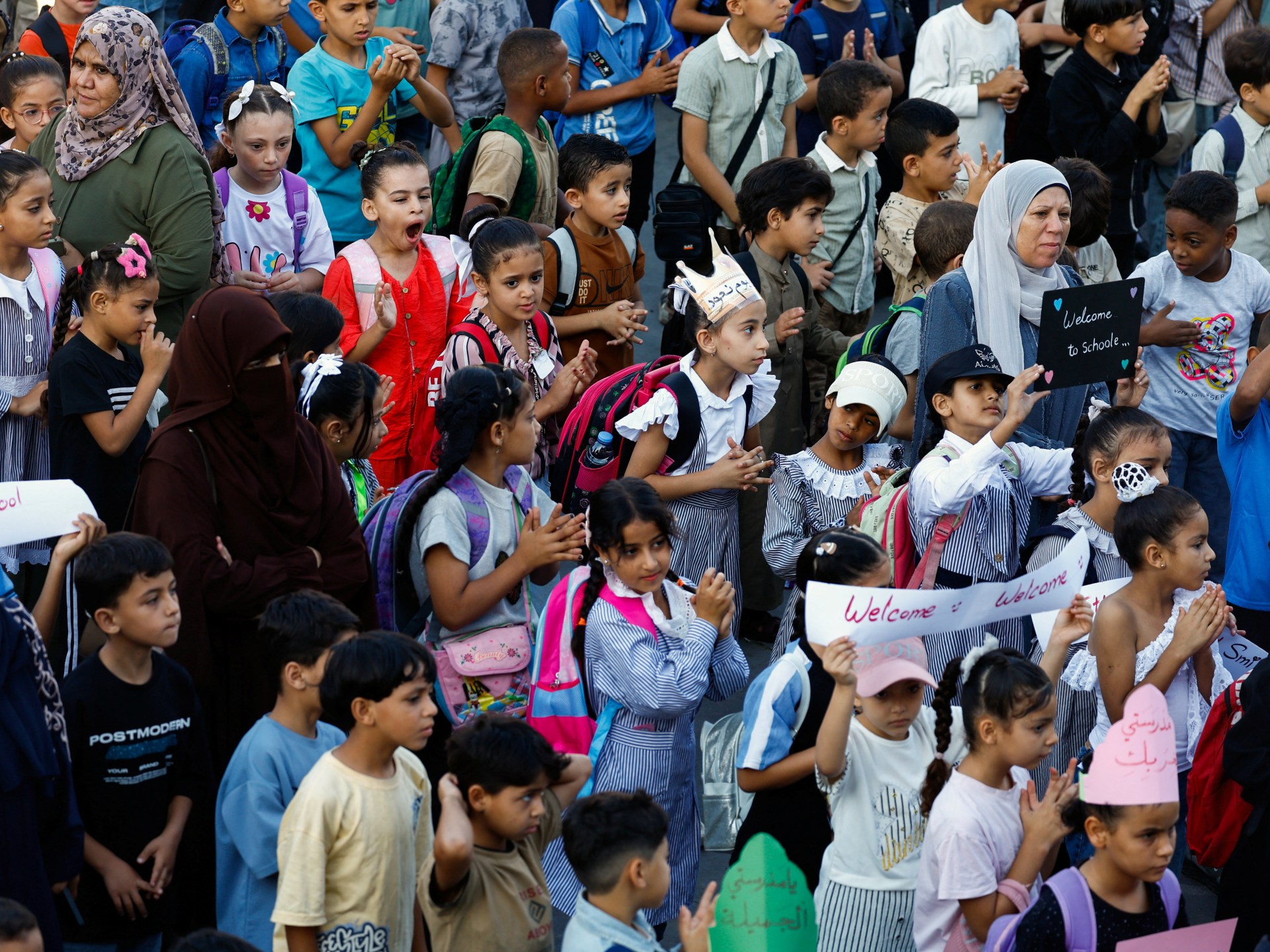
The ongoing conflict in the Middle East has entered a critical new diplomatic phase following a sharp rebuke by Hamas directed at the newly established Board of Peace. The controversy erupted after the multilateral body officially confirmed its refusal to partner with the United Nations Relief and Works Agency for Palestine Refugees in the Near East (UNRWA) for any upcoming humanitarian and reconstruction operations within the Gaza Strip. Hamas leadership characterized this decision as an explicit alignment with Israeli strategic objectives, designed to dismantle the legal and humanitarian framework supporting millions of displaced Palestinians. The exclusion of UNRWA—an institution with decades of entrenched operational capacity on the ground—marks a profound departure from traditional multilateral intervention models. Diplomatic observers note that this friction underscores the deep polarization surrounding post-conflict governance frameworks in Gaza. State actors involved in the Board of Peace argue that structural reforms and alternative administrative pathways are necessary to bypass entrenched political hurdles, whereas critics contend that sidelining UNRWA will create an immediate administrative vacuum, crippling essential service delivery in healthcare, education, and food distribution across the battered enclave.
Global Trade & Economic Ripples
While the humanitarian dimensions of the UNRWA exclusion are immediate, the secondary impacts on global trade, regional commerce, and commodity markets are increasingly pronounced. Prolonged instability and institutional uncertainty in Gaza amplify geopolitical risk premiums across the Middle East, directly influencing investor confidence in eastern Mediterranean energy exploration and maritime logistics. Although direct shipping through the Suez Canal faces separate security pressures from Red Sea disruptions, the broader erosion of diplomatic stability dampens regional trade velocity. International commodity markets remain highly sensitive to escalation risks that could threaten broader energy corridors. Furthermore, the financial burden of sustaining displaced populations without traditional UN mechanisms shifts pressure onto international donor states, straining multilateral aid budgets and rechanneling liquidity away from emerging market infrastructure projects. Currency markets, particularly the Israeli Shekel and regional trade currencies, continue to experience volatility spikes tied directly to headlines concerning governance breakdowns and security escalation in the Levant.
Related Intelligence: DI Khan Suicide Blast Kills 12, Disrupts Regional Trade
International Reactions & Diplomatic Stances
The decision by the Board of Peace to sideline UNRWA has generated immediate international friction, dividing traditional allies and multilateral institutions. United Nations leadership expressed deep concern, reiterating that UNRWA remains irreplaceable in its operational scale and mandate authorized by the UN General Assembly. Several European Union member states voiced reservations, warning that bypassing established UN agencies risks undermining international humanitarian law and setting a dangerous precedent for multilateral governance. Conversely, Israeli officials welcomed the exclusion, maintaining that UNRWA requires structural overhaul due to alleged security compromises. Meanwhile, regional powers and Arab League members have adopted cautious stances, balancing the urgent necessity for reconstruction aid against the political fallout of endorsing governance structures that exclude foundational Palestinian institutions. Market analysts at major financial houses have noted that this diplomatic schism reduces the likelihood of a coherent, rapid international consensus on post-conflict economic rebuilding.
Strategic Outlook & Future Scenarios
Looking ahead, the trajectory of the humanitarian crisis and its associated commercial impacts will depend heavily on upcoming diplomatic summits and the willingness of international stakeholders to compromise on administrative frameworks for Gaza. If the Board of Peace proceeds without UNRWA integration, severe logistical bottlenecks are expected to paralyze aid delivery, escalating local unrest and increasing the probability of broader regional escalation. Conversely, mounting international pressure from UN member states could force a policy recalibration, compelling the Board of Peace to establish transitional coordination mechanisms with UN agencies. Investors and multinational corporations operating in the broader Middle East must prepare for protracted geopolitical uncertainty, maintaining robust risk-management protocols against potential supply chain disruptions, shifts in trade sanctions, and localized security flare-ups over the coming fiscal quarters.
Join Our Official WhatsApp Channel
Receive live commodity alerts, policy changes, and commercial intelligence directly on WhatsApp.