
Global Allies Defend ICC as US Sanctions Deepen Geopolitical Rift
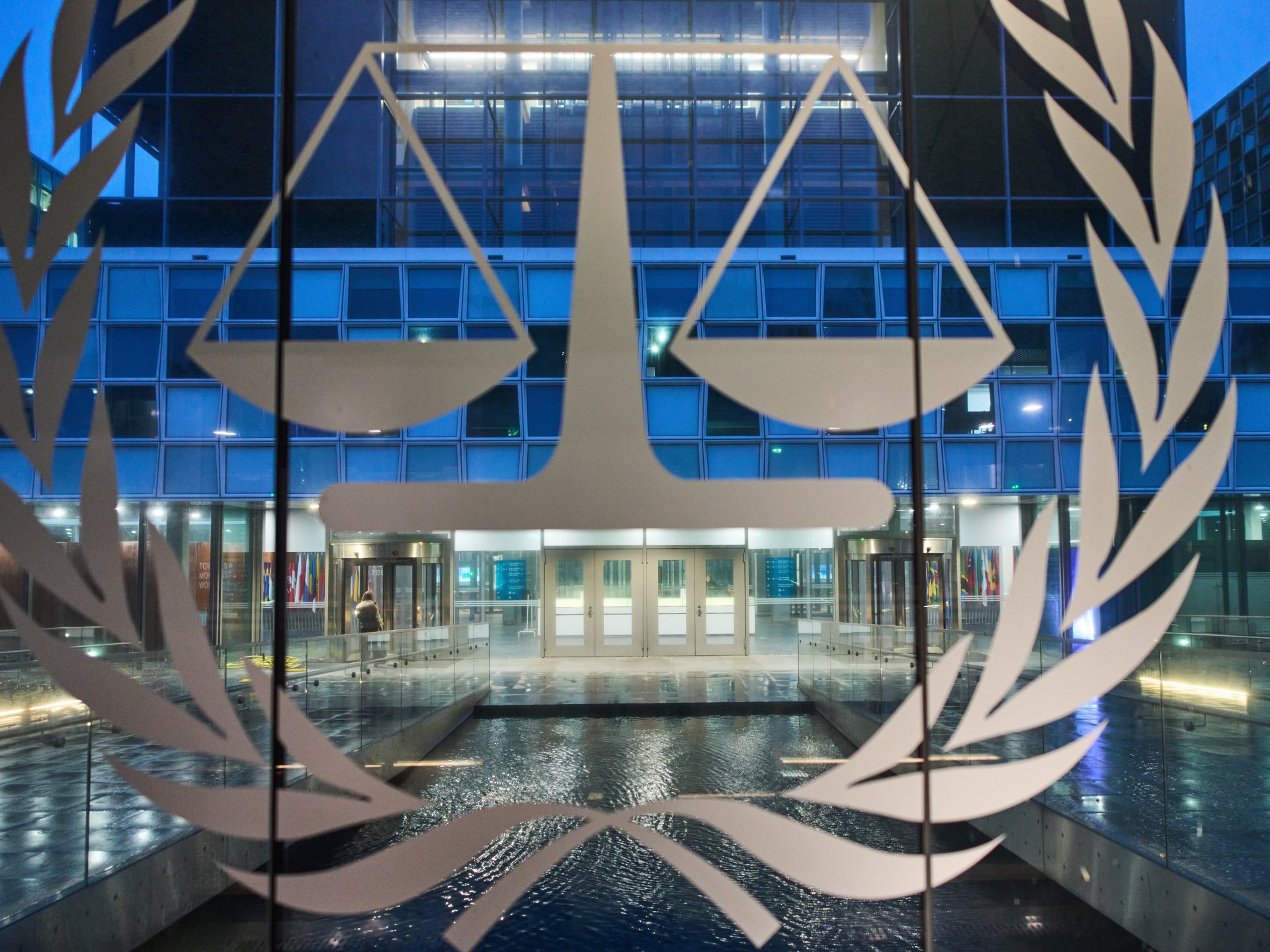
Key US allies have united to defend the International Criminal Court following Washington's enforcement of financial sanctions against the global judicial body.
Geopolitical & Core Developments
A profound diplomatic rupture has emerged between Washington and its closest international partners following the United States' decision to impose severe financial sanctions on the International Criminal Court (ICC). In a rare and coordinated pushback, traditional US allies including key European Union member states, Canada, and Japan have issued joint declarations vowing to protect and defend the Hague-based tribunal. The escalation follows mounting friction over the ICC's jurisdiction regarding international conflict zones and alleged war crimes. For decades, the global multilateral architecture has relied on a foundational consensus between North American and European powers regarding international law. However, Washington's unilateral punitive measures against judicial personnel have fractured this consensus, placing allied foreign ministries in an unprecedented dilemma. European capitals, while historically maintaining complex relationships with the court—given that neither the US nor several other major powers are state parties to the Rome Statute—have drawn a firm red line against direct economic coercion targeting an independent international judiciary. Strategic analysts note that this rift represents one of the most severe tests of transatlantic unity in recent decades, signaling a multi-polar shift where middle powers are increasingly willing to openly challenge US extraterritorial enforcement actions.
Global Trade & Economic Ripples
While the direct confrontation centers on international jurisprudence, the secondary economic and commercial implications for global trade markets are profound. Financial institutions, multinational conglomerates, and commodity trading houses face heightened compliance risks as they navigate conflicting legal jurisdictions. When a primary global financial superpower penalizes an international judicial body, compliance officers across trade finance, maritime insurance, and cross-border lending must re-evaluate risk exposure. The friction creates potential bottlenecks in international dispute resolution mechanisms, which underpin foreign direct investment and long-term supply chain contracts. Furthermore, sovereign wealth funds and institutional investors monitoring the stability of international trade lanes and energy commodity pricing are factoring geopolitical unpredictability into asset valuations. Although immediate energy supplies and shipping routes remain physically uninhibited by the court dispute, the erosion of predictable legal frameworks introduces systemic friction into global commerce, potentially driving up compliance overheads for firms operating across transatlantic corridors.
Related Intelligence: Panama Earthquake Spares Global Maritime Trade As Markets Monitor Supply Chains
International Reactions & Diplomatic Stances
The United Nations has voiced deep concern over the punitive measures, with senior officials warning that financial penalties against judicial officers undermine the foundational architecture of international law and accountability. European foreign ministers released a synchronized statement emphasizing that the ICC must be permitted to execute its judicial mandate free from interference, intimidation, or economic coercion. Ottawa and Tokyo echoed these sentiments, stressing that the integrity of multilateral institutions is vital for maintaining global stability. Meanwhile, Washington defends its sanctions as a necessary safeguard for national sovereignty and the protection of allied personnel from politically motivated investigations. Market analysts and legal scholars suggest that these entrenched positions leave little room for immediate diplomatic compromise, pointing toward a prolonged institutional stalemate that could paralyze cooperative efforts on broader global security and trade challenges.
Strategic Outlook & Future Scenarios
As the diplomatic standoff intensifies, upcoming international summits and ministerial gatherings will serve as critical testing grounds for multilateral resolve. Observers anticipate that affected nations will seek to fortify the ICC's budgetary and legal resilience through alternative funding mechanisms and diplomatic shielding protocols designed to bypass US financial chokepoints. However, retaliatory legislative measures or expanded sanction lists from Washington remain a distinct possibility, which could further alienate critical trade partners and accelerate de-dollarization discussions among nations seeking insulation from US extraterritorial jurisdiction. For global corporations and commodity markets, the overarching trajectory points toward an increasingly fragmented operating environment, where navigating competing legal jurisdictions and political pressures becomes a permanent cost of doing business in the international arena.
Join Our Official WhatsApp Channel
Receive live commodity alerts, policy changes, and commercial intelligence directly on WhatsApp.