
Ghana Crackdown on Currency Desecration Threatens Informal Gifting Economy
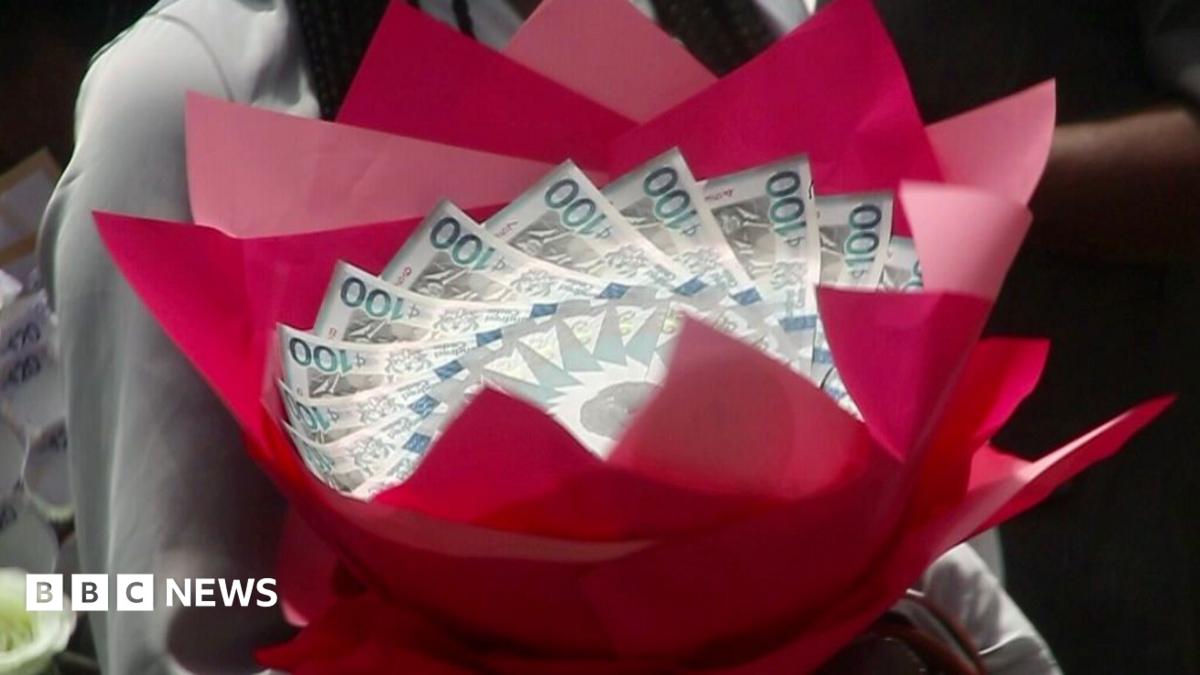
Ghanaian authorities have arrested seven individuals for fashioning national banknotes into artistic money bouquets, intensifying state efforts to curb the physical desecration of legal tender amid broader West African monetary stabilization policies.
Geopolitical & Core Developments
In an escalating campaign to preserve the sovereign dignity and physical integrity of its national legal tender, law enforcement agencies in Ghana have apprehended seven individuals accused of transforming pristine Ghanaian cedi banknotes into artistic decorative displays, commonly known as money bouquets. The operation, coordinated under strict directives from the central financial oversight authorities, targets a rising cultural trend wherein high-denomination banknotes are folded, pinned, stapled, and otherwise structurally compromised for celebratory presentations at weddings, graduations, and upscale corporate galas.
State regulators argue that such practices violate foundational statutes governing monetary circulation, which explicitly prohibit defacing, stapling, tearing, or spraying paper currency. While cultural commentators note that gifting currency in creative configurations has long served as a vibrant expression of communal wealth and social support across West Africa, the central bank maintains that the physical maltreatment of banknotes accelerates wear and tear, thereby inflating the logistical costs associated with currency withdrawal, sorting, and replacement. The recent arrests mark a definitive shift from passive public awareness campaigns to aggressive judicial enforcement, signaling zero tolerance for systemic practices perceived as undermining national financial instruments.
Global Trade & Economic Ripples
Although localized in nature, the crackdown on currency desecration carries subtle implications for regional liquidity management and the informal commercial networks operating throughout the Economic Community of West African States (ECOWAS). Central banks across developing frontier markets continually grapple with the high capital expenditures required to mint and distribute durable polymer and paper currency. When circulating cash is prematurely damaged through crafting and ornamentation, the velocity of damaged notes forces monetary authorities to accelerate import orders for fresh currency stock from specialized international printing conglomerates, draining valuable foreign exchange reserves.
Furthermore, the enforcement action has introduced unexpected compliance friction into local retail and artisanal sectors. Florists, event planners, and gift-wrapping vendors who previously incorporated real currency into bespoke arrangements must now pivot toward alternative financial instruments, such as digital gift cards, commemorative vouchers, or electronic mobile money transfers. This regulatory disruption serves as a microcosm of broader continental efforts to digitize transactional ecosystems, gently compelling populations away from cash dependency toward traceable electronic rails that bolster macroeconomic visibility and curb illicit financial flows.
Related Intelligence: Indonesian Retail Explosion Triggers Industrial Safety Scrutiny
International Reactions & Diplomatic Stances
International financial institutions and emerging market currency analysts have monitored the regulatory intervention with cautious approval, drawing parallels to similar legislative crackdowns enacted by major global economies, including the Central Bank of Nigeria and the Federal Reserve System in the United States, both of which enforce strict penalties for the mutilation of paper currency. Multilateral observers emphasize that maintaining the pristine condition of circulating medium is a baseline requirement for sustaining public confidence in fiat monetary systems, particularly in nations navigating complex macroeconomic adjustments and inflationary pressures.
Local civil society organizations, however, have urged state authorities to balance punitive enforcement with comprehensive public education initiatives. Human rights advocates and legal defenders point out that many citizens engaging in the creation of money bouquets were unaware of the strict statutory thresholds defining currency abuse, suggesting that targeted community outreach would yield better long-term compliance than immediate criminal prosecution.
Strategic Outlook & Future Scenarios
As regulatory bodies across Sub-Saharan Africa intensify efforts to safeguard macroeconomic stability, the operational environment for informal monetary practices will continue to contract. Future scenarios indicate that central banks will likely introduce automated reporting frameworks in partnership with commercial financial institutions to monitor unusual bulk withdrawals of crisp, uncirculated banknotes frequently targeted by event planners.
Ultimately, while the aesthetic appeal of cash-based floral arrangements may fade under the weight of legislative deterrence, the broader trajectory points toward a permanent digital transformation in how wealth is presented and celebrated across West Africa. The crackdown stands as a stark reminder that national currencies remain potent symbols of state sovereignty, requiring rigorous institutional protection against both macro-level economic shocks and micro-level cultural novelties.
Join Our Official WhatsApp Channel
Receive live commodity alerts, policy changes, and commercial intelligence directly on WhatsApp.