
German Chancellor Merz Fights to Preserve Coalition Amid State Election Losses
German Chancellor Friedrich Merz vows to maintain his governing coalition despite heavy state election losses, as political uncertainty threatens Europe's largest economy.
Geopolitical & Core Developments
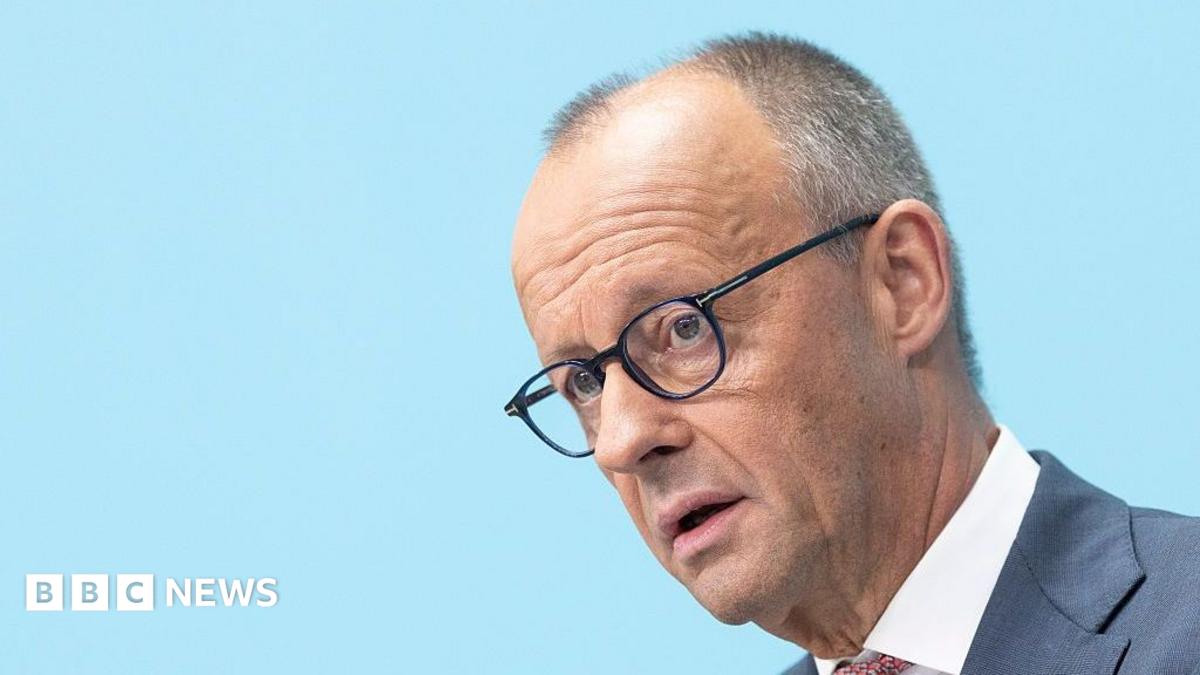
German Chancellor Friedrich Merz has vowed to keep his governing coalition together, framing the survival of his administration as essential for the nation's democratic future. Speaking in Berlin following a series of resounding state election defeats, Merz acknowledged that the ballot box verdicts extended far beyond his own political standing, reflecting deep-seated public anxieties over economic stagnation, immigration, and industrial transition. The electoral setbacks have emboldened opposition parties and exposed fractures within the tripartite coalition, raising legitimate questions about the government's ability to govern effectively through a turbulent legislative term. Analysts note that while parliamentary arithmetic technically supports the current government, the loss of public mandate complicates the implementation of critical structural reforms. The chancellor's insistence on stability underscores a broader European anxiety, where the erosion of traditional centrist parties creates fertile ground for populist movements, ultimately altering the strategic calculus of European Union policymaking.
Global Trade & Economic Ripples
As Europe's economic powerhouse, Germany's domestic political stability is inextricably linked to global trade dynamics, energy markets, and industrial supply chains. International commodity traders and energy markets are closely monitoring the political friction in Berlin, particularly regarding energy transition policies and fiscal spending caps. Any prolonged paralysis within the German federal government risks delaying vital investments in green infrastructure, hydrogen networks, and advanced manufacturing sectors, which could dampen long-term European demand for industrial metals, liquefied natural gas, and semiconductor components. Furthermore, currency markets have shown heightened sensitivity to the political uncertainty, with the euro experiencing modest downward pressure against the US dollar as investors re-evaluate the bloc's economic resilience. Supply chain managers across the automotive and chemical sectors remain concerned that regulatory gridlock could exacerbate competitive disadvantages vis-a-vis North American and Asian markets, where state-backed industrial strategies are moving at a faster pace.
Related Intelligence: Gaza Ceasefire Collapse Threatens Middle East Trade and Energy Stability
International Reactions & Diplomatic Stances
International reactions to the German political crisis have been measured yet watchful, with key allies in Brussels, Washington, and other European capitals emphasizing the necessity of a strong, stable Berlin. European Commission officials have privately expressed concern that domestic political distractions could weaken Germany's leadership role in upcoming EU budgetary negotiations and defense integration initiatives. Multilateral financial institutions and market analysts have issued cautionary notes regarding the potential for fiscal tightening or policy paralysis, which could stifle broader eurozone growth. While foreign governments have officially refrained from interfering in domestic German politics, diplomatic cables highlight growing apprehension that a weakened German administration may struggle to maintain a unified European front on critical international trade disputes, sanctions regimes, and geopolitical security commitments.
Strategic Outlook & Future Scenarios
Looking ahead, the trajectory of Chancellor Merz's administration will likely depend on its ability to renegotiate domestic compromises on the federal budget and immigration policy before upcoming regional legislative hurdles. Several scenarios are currently being gamed out by geopolitical risk consultants. The most optimistic scenario envisions the coalition successfully recalibrating its policy agenda to address voter concerns, thereby regaining legislative momentum ahead of upcoming European summits. Conversely, a pessimistic scenario points toward persistent infighting, culminating in a potential collapse of the coalition and the triggering of snap federal elections that could further fragment the Bundestag. Regardless of the short-term political maneuvering, international observers agree that Germany's internal political realignment will redefine its global diplomatic posture and economic competitiveness for years to come.
Join Our Official WhatsApp Channel
Receive live commodity alerts, policy changes, and commercial intelligence directly on WhatsApp.