
Gaza Casualties Cast Long Shadow Over Global Trade and Security
Renewed violence in Gaza on the anniversary of last year's failed ceasefire exacerbates regional tensions, threatening global supply chains and energy markets.
Geopolitical & Core Developments
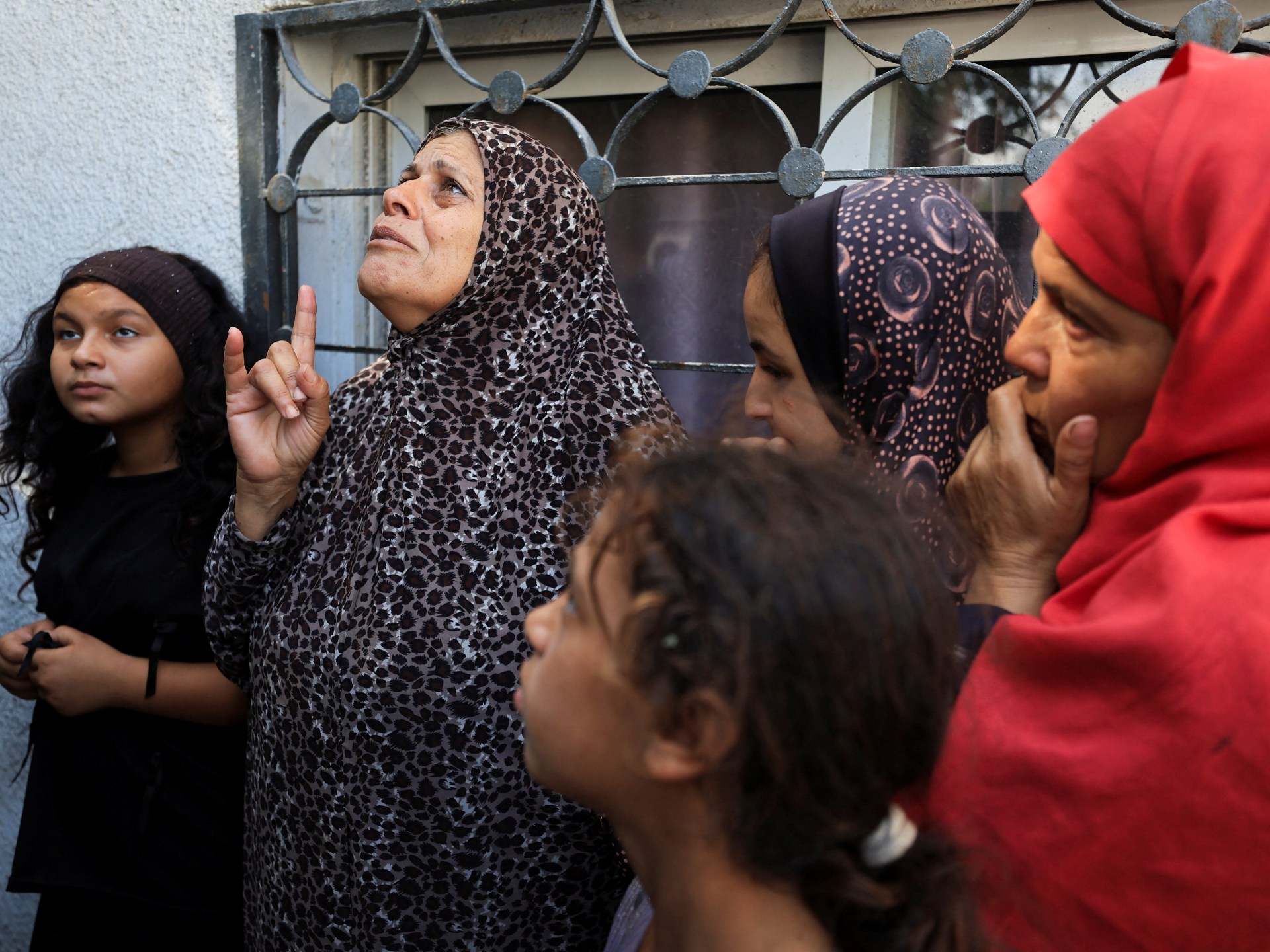
The ongoing conflict in the Middle East has reached a grim milestone, with regional health authorities reporting that at least 1,481 Palestinians have been killed in Israeli military operations since the anniversary of last year's nominal ceasefire. The latest casualties, which include a child among seven victims in recent strikes, underscore the complete breakdown of diplomatic containment and the persistent vulnerability of civilian populations. This protracted escalation shatters any lingering hope for a stable security architecture in the Levant, freezing diplomatic initiatives and hardening positions among state actors. The failure of international mechanisms to enforce lasting ceasefires has created a permanent state of low-intensity regional warfare that continuously threatens to ignite wider conflagrations involving proxy forces and neighboring states.
Global Trade & Economic Ripples
Beyond the profound humanitarian catastrophe, the persistent hostilities exert severe structural pressures on global commerce, particularly regarding energy markets, maritime logistics, and commodity pricing. The Eastern Mediterranean and adjacent Red Sea corridors remain high-risk zones, forcing major shipping conglomerates to reroute vessels around the Horn of Africa. This logistical detour adds significant transit time and operational costs, ultimately feeding into global inflationary pressures. Energy markets remain acutely sensitive to any potential escalation that could involve major regional producers, introducing a persistent risk premium into crude oil futures and liquefied natural gas pricing. International commodity traders are factoring in prolonged supply chain friction, directly impacting European and Asian industrial input costs.
Related Intelligence: Zaporizhzhia Strike Escalates Regional Risks for Global Commodities
International Reactions & Diplomatic Stances
Multilateral bodies and international governments have responded with deep alarm, though concrete enforcement mechanisms remain paralyzed. Officials from the United Nations have reiterated urgent calls for an immediate cessation of hostilities and unhindered humanitarian access, warning that the humanitarian crisis continues to deteriorate unchecked. Western capitals find themselves navigating delicate diplomatic tightropes, balancing traditional strategic alliances with mounting domestic and international legal pressures regarding humanitarian law compliance. Meanwhile, emerging market economies have increasingly vocalized frustration over what they perceive as selective application of international norms, complicating broader geopolitical alignments and multilateral trade negotiations.
Strategic Outlook & Future Scenarios
Looking ahead, the trajectory of the conflict points toward sustained friction with minimal prospects for a comprehensive diplomatic settlement in the near term. Upcoming international summits and diplomatic forums will likely feature intense debate over potential sanctions, arms embargoes, and enforcement of international court rulings. Should the security situation deteriorate further, the risk of a wider regional escalation involving critical energy infrastructure remains a primary tail risk for global financial markets. Institutional investors and commodity market participants must prepare for a prolonged period of geopolitical volatility, where localized military engagements carry immediate systemic consequences for international trade stability.
Join Our Official WhatsApp Channel
Receive live commodity alerts, policy changes, and commercial intelligence directly on WhatsApp.