
Latvian Elections Proceed Under Shadow of Regional Security Concerns
Latvians head to the polls in a high-stakes election dominated by regional security concerns, though the nation's steadfast pro-Western trajectory remains firmly intact despite anticipated coalition complexities.
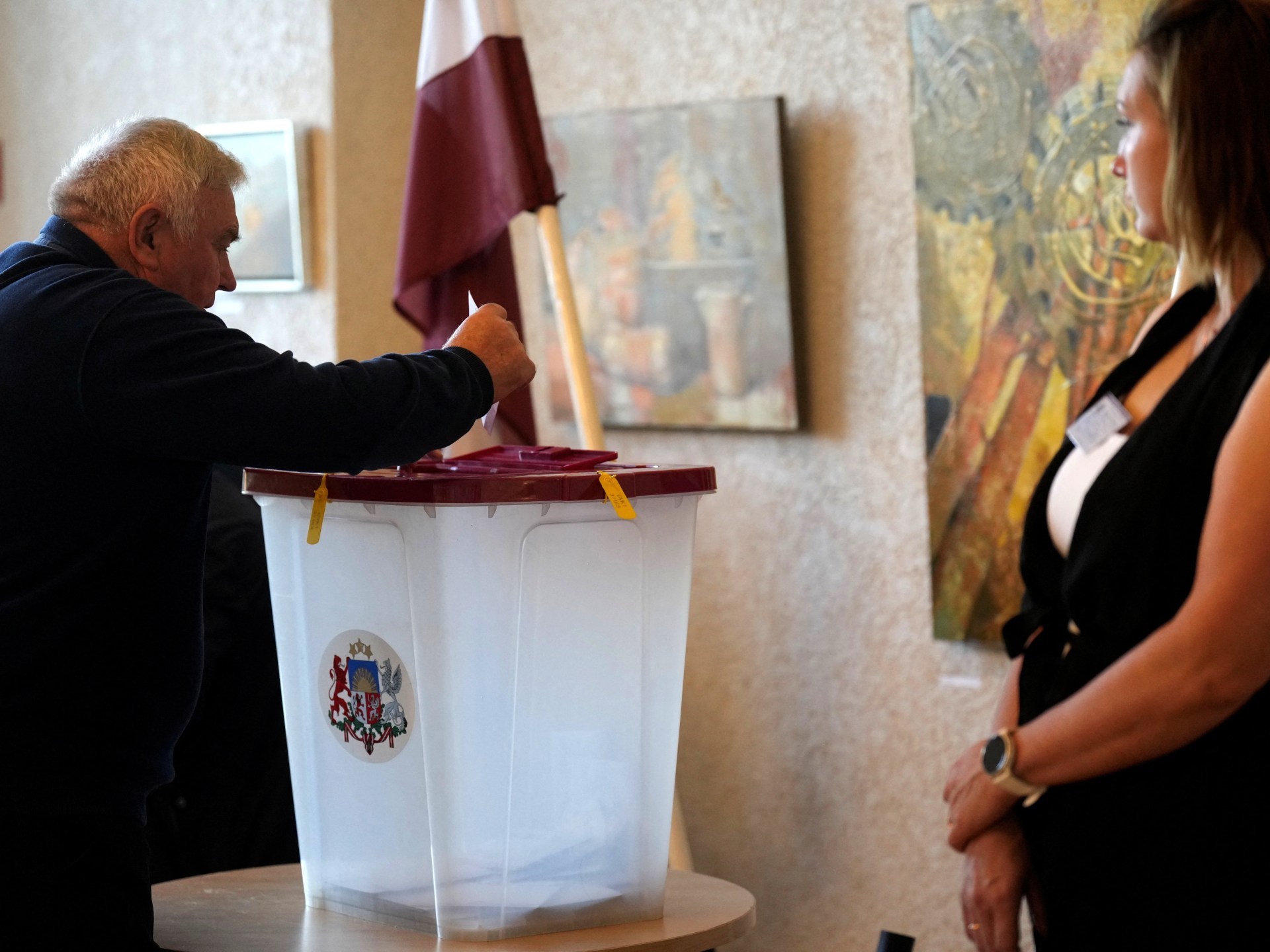
Geopolitical & Core Developments
Latvia has opened polling stations for a general election conducted under the intense geopolitical shadow of perceived threats from neighboring Russia. As a frontline NATO and European Union member sharing a border with Russia and its ally Belarus, the Baltic nation's electoral outcome carries profound strategic implications for Eastern European security architecture. State actors, intelligence agencies, and diplomatic corps across the continent are closely monitoring the ballot, which takes place amid an ongoing fortification of the EU's eastern flank. While pre-election polling and political analysts indicate that Latvia is highly unlikely to deviate from its staunchly pro-Europe and pro-Ukraine foreign policy stance, the domestic political landscape reflects deep-seated anxieties over regional stability, hybrid warfare, and border security. The campaign has been dominated by debates over military preparedness, defense spending increases, and the complete decoupling of the national economy from Russian energy dependencies. However, political fragmentation means that while the broader strategic trajectory is secure, the formation of a stable governing coalition is expected to involve intricate, protracted negotiations among the centrist and center-right parties that currently dominate the Saeima, Latvia's parliament.
Global Trade & Economic Ripples
Beyond immediate security considerations, the political transition in Riga holds significant weight for global trade corridors, energy markets, and Baltic Sea supply chain security. Since the escalation of the conflict in Ukraine, Latvia, alongside its Baltic neighbors Estonia and Lithuania, has served as a crucial logistical hub for humanitarian aid, grain transit, and sanctioned goods monitoring. The ongoing political commitment to European integration ensures the continuation of strict enforcement regarding EU sanctions packages against Moscow, directly impacting cross-border trade, timber markets, and regional transport logistics. Furthermore, the Baltic region's accelerated transition toward renewable energy infrastructure—including offshore wind projects and the synchronization of the Baltic power grid with continental Europe—relies heavily on stable legislative frameworks that emerge from these elections. Commercial maritime shipping lanes in the Gulf of Riga and broader Baltic Sea continue to operate under heightened surveillance, with marine insurers and commodity traders factoring elevated geopolitical risk premiums into regional freight and energy transactions.
Related Intelligence: Northern Ireland Standoff Revives Economic and Political Uncertainty
International Reactions & Diplomatic Stances
International bodies, Western capitals, and market analysts have closely observed the electoral process, viewing Latvia's democratic resilience as a critical barometer for broader European Union cohesion. Brussels and Washington have repeatedly emphasized the strategic importance of the Baltic states in maintaining a unified Western front against geopolitical revisionism. Multilateral financial institutions and credit rating agencies have maintained a stable outlook on Latvia's sovereign debt, citing disciplined fiscal management and strong institutional integration within the eurozone, despite the macroeconomic headwinds generated by high inflation and elevated regional defense expenditures. Diplomatic observers note that regardless of the exact portfolio distribution within the forthcoming government, Riga's unwavering diplomatic support for Kyiv and active participation in NATO's enhanced Forward Presence will remain absolute constants in European foreign policy.
Strategic Outlook & Future Scenarios
Looking ahead, the primary challenge for the incoming Latvian administration will not be the direction of its foreign policy, but rather the management of complex domestic coalition dynamics and the rapid execution of critical defense modernization programs. Upcoming European Council summits and NATO ministerial meetings will test the new government's ability to advocate effectively for reinforced regional air defense and enhanced intelligence-sharing mechanisms. As sanctions enforcement tightens and the European Union advances its strategic autonomy agenda, Latvia's geopolitical posture as an assertive eastern sentinel will remain a cornerstone of regional stability. Market participants and international investors will monitor the coalition formation process closely for signals regarding regulatory continuity, infrastructure investment priorities, and long-term energy transition strategies across the Baltic economic corridor.
Join Our Official WhatsApp Channel
Receive live commodity alerts, policy changes, and commercial intelligence directly on WhatsApp.